
News Categories
Key Considerations When Installing Heavy Duty Robot Drive Wheels
Release time:
2026-09-23
Key Considerations When Installing Heavy Duty Robot Drive Wheels
Introduction to Heavy Duty Robot Drive Wheels
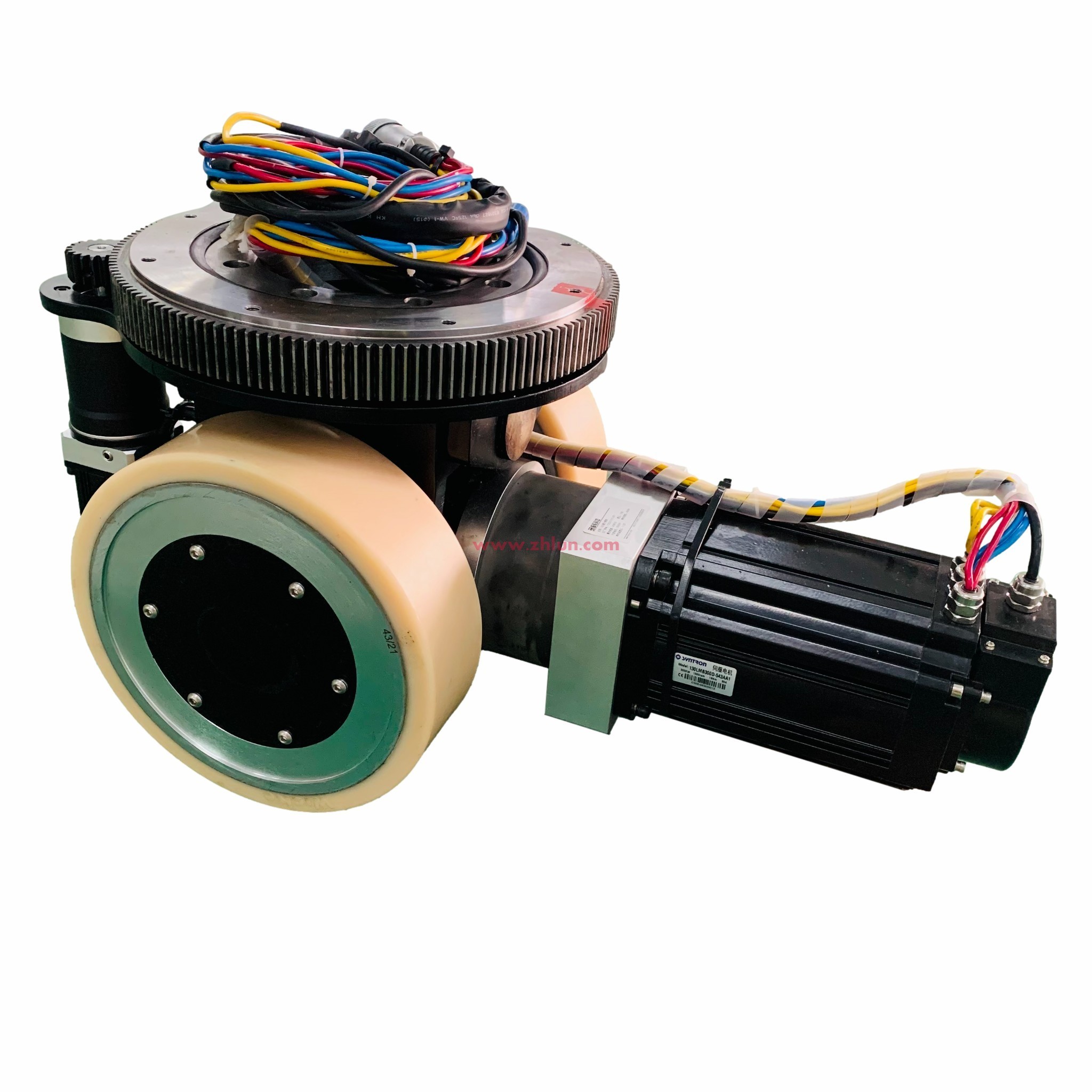
In the rapidly evolving world of robotics, the significance of robust drive systems cannot be overstated. Heavy-duty robot drive wheels serve as the backbone for various applications, from industrial automation to logistics and warehousing. Understanding the critical aspects of installing these wheels can make a substantial difference in the performance and durability of robotic systems. This article delves into essential considerations, ensuring that your installation process is smooth and effective.
Understanding the Importance of Drive Wheels
Drive wheels are crucial components that determine the mobility and efficiency of robots. They are designed to absorb shock, navigate diverse terrains, and support significant loads. With varying types of wheels available, choosing the right drive wheel can enhance traction, minimize wear, and improve energy efficiency.
Types of Heavy Duty Robot Drive Wheels
When selecting heavy-duty drive wheels, understanding the different types is crucial:
1. Solid Rubber Wheels
Solid rubber wheels offer excellent traction and durability, making them ideal for indoor applications on smooth surfaces. Their ability to absorb shock helps maintain stability during operation.
2. Polyurethane Wheels
Polyurethane wheels are known for their load-bearing capacity and resistance to abrasions. They are suitable for environments where chemical exposure is a concern.
3. Pneumatic Wheels
Pneumatic wheels provide excellent shock absorption and are suitable for uneven terrains. However, they require regular maintenance to ensure optimal performance.
4. Metal Wheels
While not common for all applications, metal wheels offer high durability and are ideal for heavy loads and harsh conditions, offering superior wear resistance.
Key Considerations for Installation
Installing heavy-duty robot drive wheels involves several critical considerations to ensure optimal performance.
1. Load Capacity and Weight Distribution
One of the foremost factors to consider is the load capacity of the wheels. Assess the total weight of the robot and its payload to determine the appropriate wheel type and size. Proper weight distribution is essential to prevent wheel failure and ensure stability.
2. Surface Compatibility
The surface on which the robot will operate plays a significant role in wheel selection. Assess the terrain—whether it's smooth, uneven, or includes obstacles. Different wheels perform better on specific surfaces, impacting the robot's efficiency and mobility.
3. Wheel Size and Diameter
Choosing the correct wheel size is critical for maneuverability and speed. Larger wheels can navigate obstacles more effectively and can provide higher ground clearance, while smaller wheels may enhance acceleration.
4. Environmental Conditions
Consider the environmental factors where the robot will operate. Temperature fluctuations, humidity levels, and exposure to chemicals can all affect wheel performance. Opt for materials that withstand the specific environmental conditions.
5. Mounting Techniques
The method of mounting the wheels to the robot chassis is crucial. Ensure that you use the appropriate hardware and techniques to secure the wheels firmly. Misalignment during installation can lead to uneven wear and reduced performance.
Step-by-Step Installation Process
Now that we've identified the key considerations, let's explore the detailed steps for a successful installation of heavy-duty robot drive wheels.
Step 1: Gather the Necessary Tools and Materials
Before starting the installation, ensure you have all necessary tools—screwdrivers, wrenches, and alignment tools—along with the appropriate wheels, mounting brackets, and screws.
Step 2: Assess and Prepare the Robot Chassis
Inspect the robot chassis for any wear or damage. Clean the surface where the wheels will be mounted to ensure proper adhesion and alignment.
Step 3: Align the Wheels
Proper alignment is paramount. Use a level to ensure that the wheels are positioned correctly. Misalignment can result in uneven wear or operational failure.
Step 4: Secure the Wheels
Attach the wheels using the appropriate screws and hardware. Ensure they are tightened sufficiently, but avoid over-tightening, which can cause damage.
Step 5: Test the Installation
Once installed, conduct a series of tests to ensure that the wheels function correctly. Check for any wobbling or misalignment, and make adjustments as necessary.
Maintaining Heavy Duty Robot Drive Wheels
After installation, regular maintenance is essential to ensure the longevity and efficiency of heavy-duty robot drive wheels.
1. Regular Inspections
Conduct routine inspections to check for wear and tear. Look for signs of damage, such as cracks or flat spots on the wheels, and replace them if necessary.
2. Lubrication
If applicable, ensure that moving parts are adequately lubricated. This helps reduce friction and extends the life of the wheels.
3. Cleaning
Keep the wheels clean from debris and dirt, as this can affect their performance. Use suitable cleaning agents that won’t damage the wheel material.
4. Monitoring Performance
Keep track of the robot’s operational performance. If there are noticeable changes in movement or efficiency, investigate potential issues with the wheels.
Common Challenges and Solutions
While installing heavy-duty robot drive wheels can be straightforward, various challenges may arise.
1. Difficulty in Alignment
If you struggle with aligning wheels, consider using alignment jigs. These tools help ensure accurate placement during installation.
2. Wheel Slippage
Slippage can occur if the traction is insufficient for the intended surface. Consider switching to wheels with a more aggressive tread pattern.
3. Vibration Issues
Excessive vibration can result from poorly balanced wheels. Ensure that all wheels are balanced correctly during installation.
Frequently Asked Questions
1. What is the best material for heavy-duty robot drive wheels?
The best material depends on your specific application. Solid rubber and polyurethane are popular choices for general use, while metal wheels are suited for extreme conditions.
2. How often should I replace my robot drive wheels?
Replacement depends on usage and wear. Regular inspections can help determine when wheels need replacing, typically every few months to a year depending on conditions.
3. Can I use the same wheels for indoor and outdoor applications?
Not all wheels are suitable for both environments. Ensure you choose wheels specifically designed for the conditions they will operate in.
4. What are the signs of wear on robot drive wheels?
Signs include cracks, uneven wear patterns, and flat spots. Any deviations from original shape or performance indicate it’s time for replacement.
5. How can I improve the lifespan of my robot drive wheels?
Regular maintenance, appropriate lubrication, and selecting the right wheels for your application can significantly enhance their lifespan.
Conclusion
Installing heavy-duty robot drive wheels is a process that, when done correctly, can greatly enhance the functionality and durability of your robotic systems. By considering load capacity, surface compatibility, and proper mounting techniques, you can ensure that your robots operate efficiently across a variety of applications. Stay proactive in maintenance and inspections to prolong the life of your wheels, and always remain adaptable to the specific requirements of your robotic environment. With this guide, you are well-equipped to tackle the installation and ensure the long-term success of your heavy-duty robot drive wheels.
Related news

2026-09-23
Key Considerations When Installing Heavy Duty Robot Drive Wheels
Key Considerations When Installing Heavy Duty Robot Drive Wheels
Introduction to Heavy Duty Robot Drive Wheels
In the rapidly evolving world of robotics, the significance of robust drive systems cannot be overstated. Heavy-duty robot drive wheels serve as the backbone for various applications, from industrial automation to logistics and warehousing. Understanding the critical aspects of instal

2026-09-22
Understanding Differential Motor Drive Wheels in Automotive Systems
In the realm of automotive engineering, the differential motor drive wheel plays a pivotal role in ensuring smooth and efficient vehicle operation. This component, integral to the differential assembly, is designed to facilitate the transfer of power from the vehicle's motor to the wheels while accommodating the inherent differences in wheel speed during turning maneuvers.
The primary function of
2026-09-21
Electric Differential Drive Wheels: Paving the Way for Smart Vehicles
Electric Differential Drive Wheels: Paving the Way for Smart Vehicles
Table of Contents
Introduction to Electric Differential Drive Wheels
Understanding Differential Systems in Vehicles
What Are Electric Differential Drive Wheels?
Benefits of Electric Differential Drive Wheels
How Electric Differentials Work
Applications of Electric Differential Drive Wheel
Products

Guangzhou Wisdom Wheel Science Technology Ltd.
No. 1436, Guangcong 9th Road, Guangzhou, Guangdong, China
Whatsapp/MB: Kelly +86-18102686399
Jackson +8615012435018
Candy:+86 19396885135

CopyRight © 2024 Guangzhou Wisdom Wheel Science Technology Ltd.
Powered by www.300.cn SEO Tags En_CityProduct
License