
News Categories
Understanding Differential Motor Drive Wheels in Automotive Systems
Release time:
2026-09-22
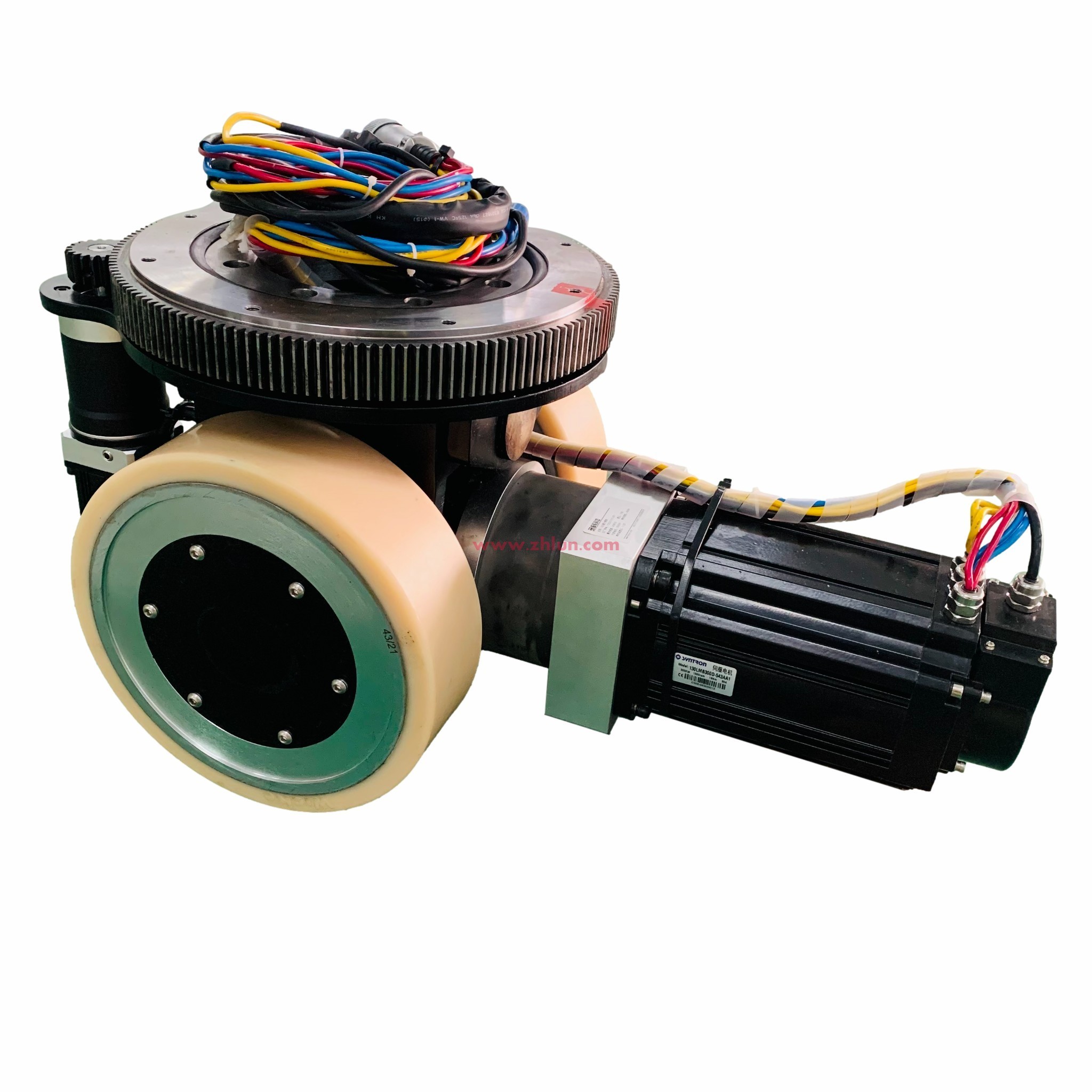
In the realm of automotive engineering, the differential motor drive wheel plays a pivotal role in ensuring smooth and efficient vehicle operation. This component, integral to the differential assembly, is designed to facilitate the transfer of power from the vehicle's motor to the wheels while accommodating the inherent differences in wheel speed during turning maneuvers.
The primary function of a differential motor drive wheel is to allow for varying rotational speeds between the left and right wheels, which is essential for maintaining traction and stability. When a vehicle navigates a turn, the outer wheel travels a greater distance than the inner wheel; without a differential, both wheels would rotate at the same speed, resulting in tire scrubbing and a loss of control. The differential motor drive wheel's design addresses this issue by utilizing a series of gears and shafts that allow for independent wheel rotation.
In recent years, advancements in differential technology, including the development of electronic differentials, have enhanced the capabilities of differential motor drive wheels. These modern systems employ sensors and control algorithms to actively manage torque distribution between the wheels, improving handling and performance under various driving conditions. This innovation not only boosts traction but also enhances fuel efficiency and reduces wear on tires.
Moreover, the integration of differential motor drive wheels with other vehicular systems, such as traction control and stability management, underscores their critical role in contemporary automotive design. By working in conjunction with these systems, differential motor drive wheels contribute to a safer driving experience, enabling vehicles to adapt dynamically to changing road conditions.
The materials used in manufacturing differential motor drive wheels also play a significant role in their performance and durability. High-strength alloys and advanced composites are often employed to withstand the stresses encountered during operation while minimizing weight. This focus on material innovation not only enhances the reliability of the differential motor drive wheel but also aligns with the industry’s shift towards more sustainable practices.
For automotive professionals, understanding the intricacies of differential motor drive wheels is essential for diagnosing issues, selecting appropriate replacement parts, and implementing effective upgrades. As vehicle technology continues to evolve, staying informed about the latest developments in differential systems will ensure that you remain at the forefront of the automotive industry.
In conclusion, the differential motor drive wheel is a critical component that underpins the functionality and safety of modern vehicles. By facilitating independent wheel rotation and adapting to varying driving conditions, this technology enhances performance while contributing to overall vehicle efficiency and stability. Emphasizing ongoing innovation in this area will be key for professionals aiming to optimize vehicle dynamics in the ever-evolving automotive landscape.
The primary function of a differential motor drive wheel is to allow for varying rotational speeds between the left and right wheels, which is essential for maintaining traction and stability. When a vehicle navigates a turn, the outer wheel travels a greater distance than the inner wheel; without a differential, both wheels would rotate at the same speed, resulting in tire scrubbing and a loss of control. The differential motor drive wheel's design addresses this issue by utilizing a series of gears and shafts that allow for independent wheel rotation.
In recent years, advancements in differential technology, including the development of electronic differentials, have enhanced the capabilities of differential motor drive wheels. These modern systems employ sensors and control algorithms to actively manage torque distribution between the wheels, improving handling and performance under various driving conditions. This innovation not only boosts traction but also enhances fuel efficiency and reduces wear on tires.
Moreover, the integration of differential motor drive wheels with other vehicular systems, such as traction control and stability management, underscores their critical role in contemporary automotive design. By working in conjunction with these systems, differential motor drive wheels contribute to a safer driving experience, enabling vehicles to adapt dynamically to changing road conditions.
The materials used in manufacturing differential motor drive wheels also play a significant role in their performance and durability. High-strength alloys and advanced composites are often employed to withstand the stresses encountered during operation while minimizing weight. This focus on material innovation not only enhances the reliability of the differential motor drive wheel but also aligns with the industry’s shift towards more sustainable practices.
For automotive professionals, understanding the intricacies of differential motor drive wheels is essential for diagnosing issues, selecting appropriate replacement parts, and implementing effective upgrades. As vehicle technology continues to evolve, staying informed about the latest developments in differential systems will ensure that you remain at the forefront of the automotive industry.
In conclusion, the differential motor drive wheel is a critical component that underpins the functionality and safety of modern vehicles. By facilitating independent wheel rotation and adapting to varying driving conditions, this technology enhances performance while contributing to overall vehicle efficiency and stability. Emphasizing ongoing innovation in this area will be key for professionals aiming to optimize vehicle dynamics in the ever-evolving automotive landscape.
Related news

2026-09-23
Key Considerations When Installing Heavy Duty Robot Drive Wheels
Key Considerations When Installing Heavy Duty Robot Drive Wheels
Introduction to Heavy Duty Robot Drive Wheels
In the rapidly evolving world of robotics, the significance of robust drive systems cannot be overstated. Heavy-duty robot drive wheels serve as the backbone for various applications, from industrial automation to logistics and warehousing. Understanding the critical aspects of instal

2026-09-22
Understanding Differential Motor Drive Wheels in Automotive Systems
In the realm of automotive engineering, the differential motor drive wheel plays a pivotal role in ensuring smooth and efficient vehicle operation. This component, integral to the differential assembly, is designed to facilitate the transfer of power from the vehicle's motor to the wheels while accommodating the inherent differences in wheel speed during turning maneuvers.
The primary function of
2026-09-21
Electric Differential Drive Wheels: Paving the Way for Smart Vehicles
Electric Differential Drive Wheels: Paving the Way for Smart Vehicles
Table of Contents
Introduction to Electric Differential Drive Wheels
Understanding Differential Systems in Vehicles
What Are Electric Differential Drive Wheels?
Benefits of Electric Differential Drive Wheels
How Electric Differentials Work
Applications of Electric Differential Drive Wheel
Products

Guangzhou Wisdom Wheel Science Technology Ltd.
No. 1436, Guangcong 9th Road, Guangzhou, Guangdong, China
Whatsapp/MB: Kelly +86-18102686399
Jackson +8615012435018
Candy:+86 19396885135

CopyRight © 2024 Guangzhou Wisdom Wheel Science Technology Ltd.
Powered by www.300.cn SEO Tags En_CityProduct
License