
News Categories
Understanding Heavy Duty Robot Drive Wheels: The Key to Efficient Mobility
Release time:
2026-08-09
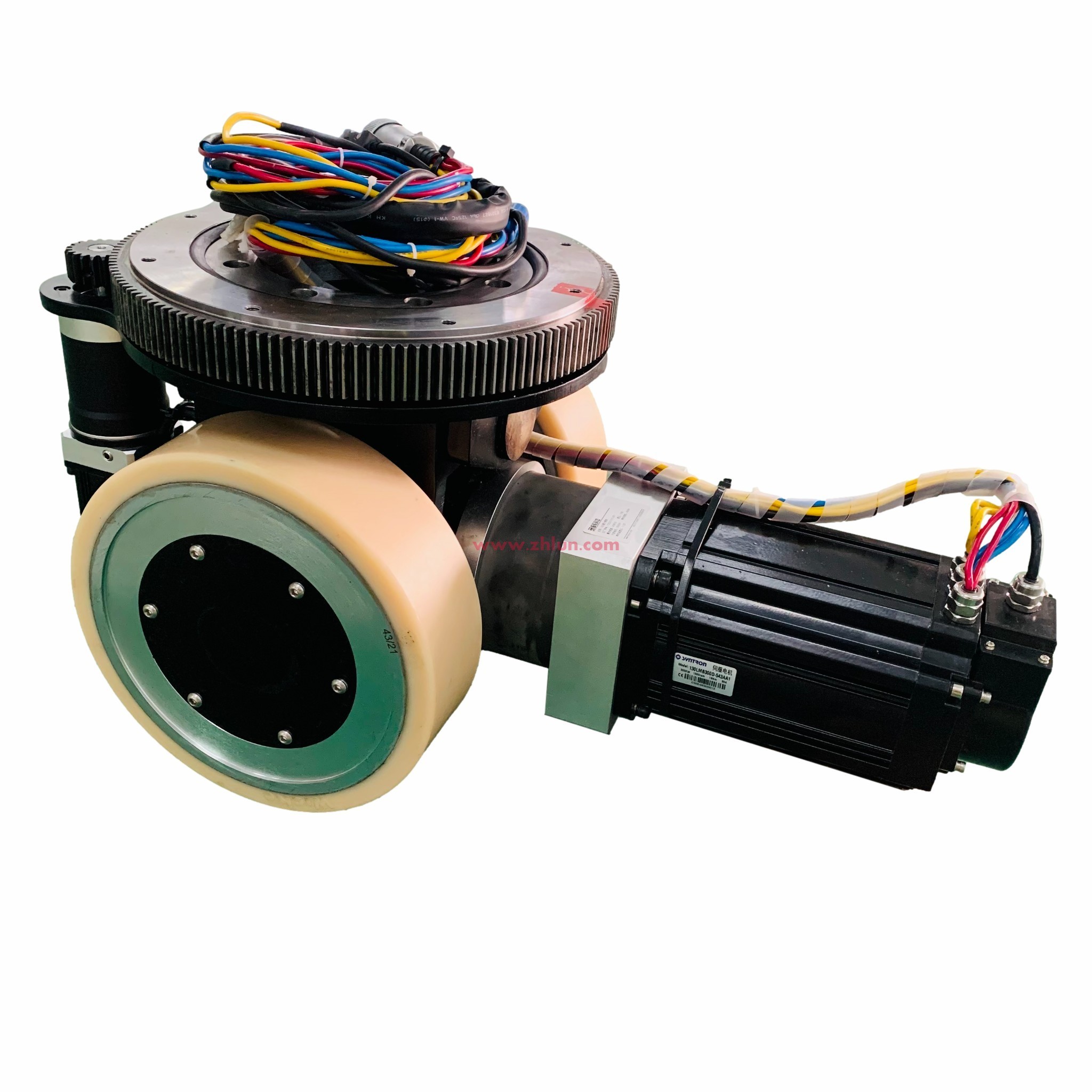
In the realm of industrial automation and robotics, heavy duty robot drive wheels play a crucial role in ensuring robust mobility and performance. These wheels are specifically designed to support the heavy loads and rigorous demands of mobile robotic systems, making them indispensable in various applications ranging from manufacturing to logistics. Understanding their functionality and advantages is essential for anyone involved in the automotive and mechanical industries.
Heavy duty robot drive wheels are typically constructed from durable materials that can withstand significant wear and tear. This durability is crucial, especially in environments where robots are frequently subjected to heavy loads and rough terrains. The wheels often feature a high-traction surface, which enhances grip and stability, allowing for smooth navigation even under challenging conditions. This is particularly beneficial in applications where robots need to transport materials or navigate through obstacle-laden environments.
One of the key advantages of heavy duty robot drive wheels is their ability to provide exceptional torque. Torque is essential for moving heavy payloads, and these wheels are engineered to deliver the necessary power for acceleration, deceleration, and maintaining speed. This capability is vital in industrial settings where efficiency and reliability are paramount. Furthermore, the design of these wheels often includes advanced features such as shock absorption, which helps to protect both the robot and its cargo from damage due to impacts or uneven surfaces.
Another significant aspect of heavy duty robot drive wheels is their compatibility with various drive systems. Whether it's a differential drive, omni-directional, or tracked system, these wheels can be integrated seamlessly to enhance mobility. This versatility allows engineers and designers to develop robots suited for a wide range of tasks, from warehouse automation to construction site applications.
Additionally, maintenance of heavy duty robot drive wheels is relatively straightforward, which can help reduce downtime in operations. Regular inspections and proper lubrication can extend the life of these wheels, ensuring that the robotic systems continue to operate efficiently. This ease of maintenance is a critical factor for industries that rely on continuous operations and seek to minimize interruptions.
In conclusion, heavy duty robot drive wheels are a fundamental component in the design and operation of mobile robotic systems. Their robust construction, exceptional torque capabilities, and compatibility with various drive systems make them ideal for a wide range of applications. Understanding the importance of these wheels helps professionals in the automotive and mechanical fields to make informed decisions, ultimately leading to enhanced operational efficiency and performance.
Heavy duty robot drive wheels are typically constructed from durable materials that can withstand significant wear and tear. This durability is crucial, especially in environments where robots are frequently subjected to heavy loads and rough terrains. The wheels often feature a high-traction surface, which enhances grip and stability, allowing for smooth navigation even under challenging conditions. This is particularly beneficial in applications where robots need to transport materials or navigate through obstacle-laden environments.
One of the key advantages of heavy duty robot drive wheels is their ability to provide exceptional torque. Torque is essential for moving heavy payloads, and these wheels are engineered to deliver the necessary power for acceleration, deceleration, and maintaining speed. This capability is vital in industrial settings where efficiency and reliability are paramount. Furthermore, the design of these wheels often includes advanced features such as shock absorption, which helps to protect both the robot and its cargo from damage due to impacts or uneven surfaces.
Another significant aspect of heavy duty robot drive wheels is their compatibility with various drive systems. Whether it's a differential drive, omni-directional, or tracked system, these wheels can be integrated seamlessly to enhance mobility. This versatility allows engineers and designers to develop robots suited for a wide range of tasks, from warehouse automation to construction site applications.
Additionally, maintenance of heavy duty robot drive wheels is relatively straightforward, which can help reduce downtime in operations. Regular inspections and proper lubrication can extend the life of these wheels, ensuring that the robotic systems continue to operate efficiently. This ease of maintenance is a critical factor for industries that rely on continuous operations and seek to minimize interruptions.
In conclusion, heavy duty robot drive wheels are a fundamental component in the design and operation of mobile robotic systems. Their robust construction, exceptional torque capabilities, and compatibility with various drive systems make them ideal for a wide range of applications. Understanding the importance of these wheels helps professionals in the automotive and mechanical fields to make informed decisions, ultimately leading to enhanced operational efficiency and performance.
Related news

2026-09-23
Key Considerations When Installing Heavy Duty Robot Drive Wheels
Key Considerations When Installing Heavy Duty Robot Drive Wheels
Introduction to Heavy Duty Robot Drive Wheels
In the rapidly evolving world of robotics, the significance of robust drive systems cannot be overstated. Heavy-duty robot drive wheels serve as the backbone for various applications, from industrial automation to logistics and warehousing. Understanding the critical aspects of instal

2026-09-22
Understanding Differential Motor Drive Wheels in Automotive Systems
In the realm of automotive engineering, the differential motor drive wheel plays a pivotal role in ensuring smooth and efficient vehicle operation. This component, integral to the differential assembly, is designed to facilitate the transfer of power from the vehicle's motor to the wheels while accommodating the inherent differences in wheel speed during turning maneuvers.
The primary function of
2026-09-21
Electric Differential Drive Wheels: Paving the Way for Smart Vehicles
Electric Differential Drive Wheels: Paving the Way for Smart Vehicles
Table of Contents
Introduction to Electric Differential Drive Wheels
Understanding Differential Systems in Vehicles
What Are Electric Differential Drive Wheels?
Benefits of Electric Differential Drive Wheels
How Electric Differentials Work
Applications of Electric Differential Drive Wheel
Products

Guangzhou Wisdom Wheel Science Technology Ltd.
No. 1436, Guangcong 9th Road, Guangzhou, Guangdong, China
Whatsapp/MB: Kelly +86-18102686399
Jackson +8615012435018
Candy:+86 19396885135

CopyRight © 2024 Guangzhou Wisdom Wheel Science Technology Ltd.
Powered by www.300.cn SEO Tags En_CityProduct
License