
Top Maintenance Tips for Your Differential Motor Drive Wheels
Release time:
2026-08-08
Top Maintenance Tips for Your Differential Motor Drive Wheels
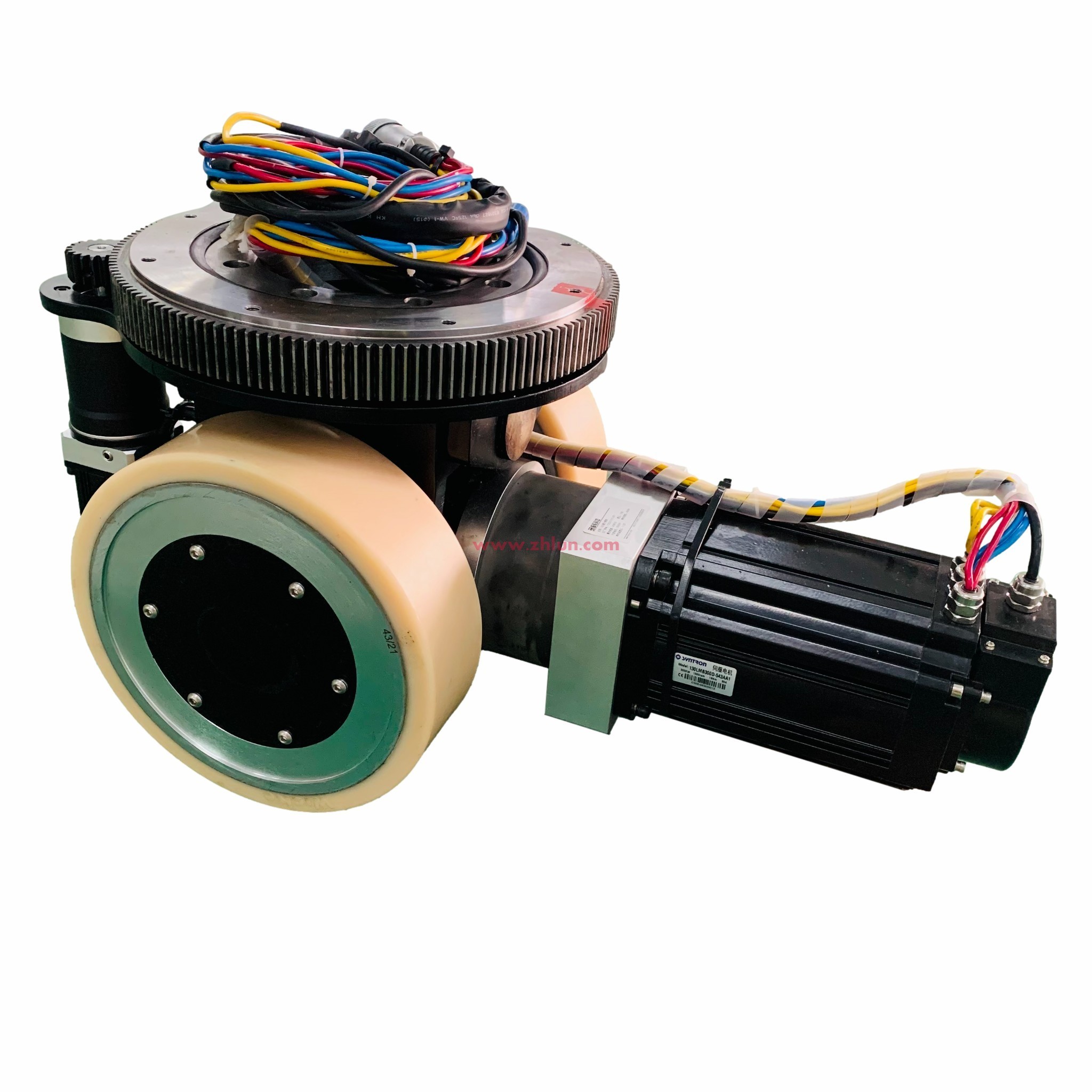
The differential system in your vehicle plays a crucial role in how power is distributed to the wheels. Proper maintenance of your differential motor drive wheels can significantly enhance vehicle performance and extend longevity. This guide aims to provide you with detailed insights and actionable tips for maintaining your differential system effectively.
Understanding the Differential System
The differential is a mechanical device that allows for the difference in speed between the wheels on the same axle while providing torque. It is essential for smooth turns and efficient power distribution. The differential system consists of various components including gears, bearings, and housing, all of which require regular maintenance.
Importance of Differential Maintenance
Neglecting differential maintenance can lead to various issues such as noise, vibration, and ultimately, severe mechanical failure. Regular maintenance not only ensures a smoother driving experience but also helps in avoiding expensive repairs down the line.
Signs Your Differential Needs Attention
Being able to identify potential issues early can save you a lot of trouble. Here are some signs that indicate your differential may require maintenance:
- Unusual noises when turning
- Vibrations during driving
- Leaking fluids from the differential housing
- Difficulty in turning
- Increased fuel consumption
Regular Inspections
Conducting regular inspections of your differential system can help you catch issues before they escalate. It is advisable to check the differential fluid levels, inspect for leaks, and listen for unusual sounds during your routine maintenance checks.
Essential Maintenance Tips for Differential Motor Drive Wheels
1. Regularly Change Differential Fluid
Changing the differential fluid is one of the most critical maintenance tasks. Over time, the fluid can degrade, losing its effectiveness in lubricating and protecting the internal components. The ideal interval for fluid change varies by vehicle but typically ranges between 30,000 to 60,000 miles. Always refer to your owner’s manual for specific recommendations.
2. Use the Right Fluid
Not all differential fluids are the same. Ensure you are using a fluid that meets your vehicle manufacturer's specifications. Using the wrong type can lead to inadequate lubrication and potential damage to the differential components.
3. Inspect Seals and Gaskets
Seals and gaskets play a vital role in preventing fluid leaks. Regularly inspect these components for any signs of wear or damage. Replacing worn seals promptly can prevent fluid loss and the associated damage that can occur from running a differential with low fluid levels.
4. Monitor for Unusual Noises
Pay attention to any unusual sounds emanating from the differential. Grinding, whining, or clunking noises can indicate gear wear or inadequate lubrication. If you hear such sounds, it’s crucial to have your differential inspected immediately.
5. Maintain Proper Tire Pressure
Maintaining the correct tire pressure is crucial for the overall health of the differential system. Under-inflated tires can cause excessive strain on the differential, leading to premature wear. Regularly check and adjust your tire pressure as needed.
6. Perform Regular Fluid Checks
In addition to changing the fluid, routinely checking the fluid level is essential. Low fluid levels can lead to serious damage. If you notice a drop in fluid levels, investigate the cause, as it may indicate a leak.
7. Keep Components Clean
Debris and dirt can cause damage to the differential components. Regularly cleaning the exterior of the differential housing and surrounding areas can help prevent dirt from entering the system. Always ensure to use appropriate cleaning agents that won't harm the seals or gaskets.
8. Consult a Professional Mechanic
If you are unsure about any aspect of your differential maintenance, it is always wise to consult a professional mechanic. They can provide a thorough inspection and perform necessary repairs or maintenance that may be beyond your expertise.
Advanced Maintenance Techniques
For those looking to delve deeper into differential maintenance, here are some advanced techniques that can be beneficial.
1. Upgrade to Synthetic Fluids
Synthetic differential fluids often provide better protection and performance compared to conventional oils. They can withstand higher temperatures and offer superior lubrication, which can enhance the longevity of your differential system.
2. Differential Gear Ratio Adjustments
Adjusting the gear ratio can optimize power distribution and fuel efficiency. This is particularly beneficial for performance vehicles or those used for heavy towing. Consult with a specialist to determine the best gear ratio for your specific needs.
3. Install a Limited-Slip Differential
For improved performance, consider upgrading to a limited-slip differential (LSD). LSDs provide better traction and handling, especially in adverse conditions. They distribute power more evenly between wheels, reducing the risk of slippage during acceleration.
FAQs About Differential Motor Drive Wheel Maintenance
1. How often should I change the differential fluid?
It is generally recommended to change the differential fluid every 30,000 to 60,000 miles. Refer to your owner’s manual for specific recommendations based on your vehicle.
2. What are the signs of a failing differential?
Common signs of a failing differential include unusual noises, vibrations, fluid leaks, and difficulty in turning. If you experience these symptoms, have your differential inspected immediately.
3. Can I use regular motor oil in my differential?
No, differential systems require a specific type of lubricant designed for their unique demands. Always use fluid that meets your vehicle manufacturer's specifications.
4. How do I know if my differential fluid is low?
Check the fluid level through the fill plug or dipstick, depending on your vehicle. If the fluid appears dark or has a burnt smell, it may also indicate a need for change.
5. Is it necessary to have a professional inspect my differential?
While routine checks can be done by yourself, having a professional inspect your differential can provide insights into issues you may not notice. It’s especially recommended if you suspect you have a problem.
Conclusion
Maintaining your differential motor drive wheels is essential for ensuring optimal performance, safety, and longevity of your vehicle. By following these maintenance tips, you can enhance the efficiency of your differential system while avoiding costly repairs. Regular inspections, fluid changes, and professional consultations are vital steps in preserving the integrity of your differential. By investing time and effort into proper maintenance, you can enjoy a smoother and safer driving experience.
Related news

2026-09-23
Key Considerations When Installing Heavy Duty Robot Drive Wheels

2026-09-22
Understanding Differential Motor Drive Wheels in Automotive Systems
2026-09-21
Electric Differential Drive Wheels: Paving the Way for Smart Vehicles
Products

Guangzhou Wisdom Wheel Science Technology Ltd.
No. 1436, Guangcong 9th Road, Guangzhou, Guangdong, China
Whatsapp/MB: Kelly +86-18102686399
Jackson +8615012435018
Candy:+86 19396885135

CopyRight © 2024 Guangzhou Wisdom Wheel Science Technology Ltd.
Powered by www.300.cn SEO Tags En_CityProduct