
News Categories
Understanding Electric Differential Drive Wheels: A Key Component in Modern Automotive Systems
Release time:
2026-06-18
Electric differential drive wheels are an innovative advancement in automotive technology, especially pertinent to the evolving landscape of electric vehicles (EVs) and hybrid systems. In essence, these wheels integrate an electric motor with the differential mechanism, enabling enhanced torque distribution and providing superior vehicle dynamics.
One of the primary benefits of electric differential drive wheels is their ability to manage torque effectively between the left and right wheels. This capability is crucial in improving traction, especially in challenging driving conditions such as rain or snow. By actively distributing power to the wheels based on real-time feedback from various sensors, electric differentials can significantly enhance vehicle stability and control. This feature is particularly advantageous in cornering situations, where the outside wheel typically requires more torque to maintain optimal traction.
Moreover, electric differential drive wheels contribute to energy efficiency in electric vehicles. Traditional mechanical differentials can lead to energy losses through friction and heat. However, the electric variants can operate with higher efficiency, allowing for better utilization of the battery's power. This not only improves the range of the vehicle but also enhances overall performance by ensuring that power is delivered where it is needed most.
Another interesting aspect of electric differential drive wheels is their role in regenerative braking systems. When the vehicle slows down, the electric motors can reverse their operation, converting kinetic energy back into stored energy in the battery. This feature not only promotes energy conservation but also extends the vehicle's driving range, a critical factor for many EV owners.
Furthermore, the integration of electric differentials supports advanced driving technologies such as autonomous driving systems. By providing precise control over wheel speeds, these components enable features like automatic lane keeping, adaptive cruise control, and enhanced traction control systems. As the automotive industry moves towards more automated and connected vehicles, the importance of electric differential drive wheels will undoubtedly continue to grow.
In summary, electric differential drive wheels represent a significant evolution in the automotive sector, particularly in the context of electric drivetrains. Their ability to provide precise torque distribution, enhance energy efficiency, and contribute to regenerative braking makes them an essential component for modern vehicles. As the industry continues to innovate, understanding the mechanisms and benefits of these systems will be crucial for professionals in the automotive field.
One of the primary benefits of electric differential drive wheels is their ability to manage torque effectively between the left and right wheels. This capability is crucial in improving traction, especially in challenging driving conditions such as rain or snow. By actively distributing power to the wheels based on real-time feedback from various sensors, electric differentials can significantly enhance vehicle stability and control. This feature is particularly advantageous in cornering situations, where the outside wheel typically requires more torque to maintain optimal traction.
Moreover, electric differential drive wheels contribute to energy efficiency in electric vehicles. Traditional mechanical differentials can lead to energy losses through friction and heat. However, the electric variants can operate with higher efficiency, allowing for better utilization of the battery's power. This not only improves the range of the vehicle but also enhances overall performance by ensuring that power is delivered where it is needed most.
Another interesting aspect of electric differential drive wheels is their role in regenerative braking systems. When the vehicle slows down, the electric motors can reverse their operation, converting kinetic energy back into stored energy in the battery. This feature not only promotes energy conservation but also extends the vehicle's driving range, a critical factor for many EV owners.
Furthermore, the integration of electric differentials supports advanced driving technologies such as autonomous driving systems. By providing precise control over wheel speeds, these components enable features like automatic lane keeping, adaptive cruise control, and enhanced traction control systems. As the automotive industry moves towards more automated and connected vehicles, the importance of electric differential drive wheels will undoubtedly continue to grow.
In summary, electric differential drive wheels represent a significant evolution in the automotive sector, particularly in the context of electric drivetrains. Their ability to provide precise torque distribution, enhance energy efficiency, and contribute to regenerative braking makes them an essential component for modern vehicles. As the industry continues to innovate, understanding the mechanisms and benefits of these systems will be crucial for professionals in the automotive field.
Related news
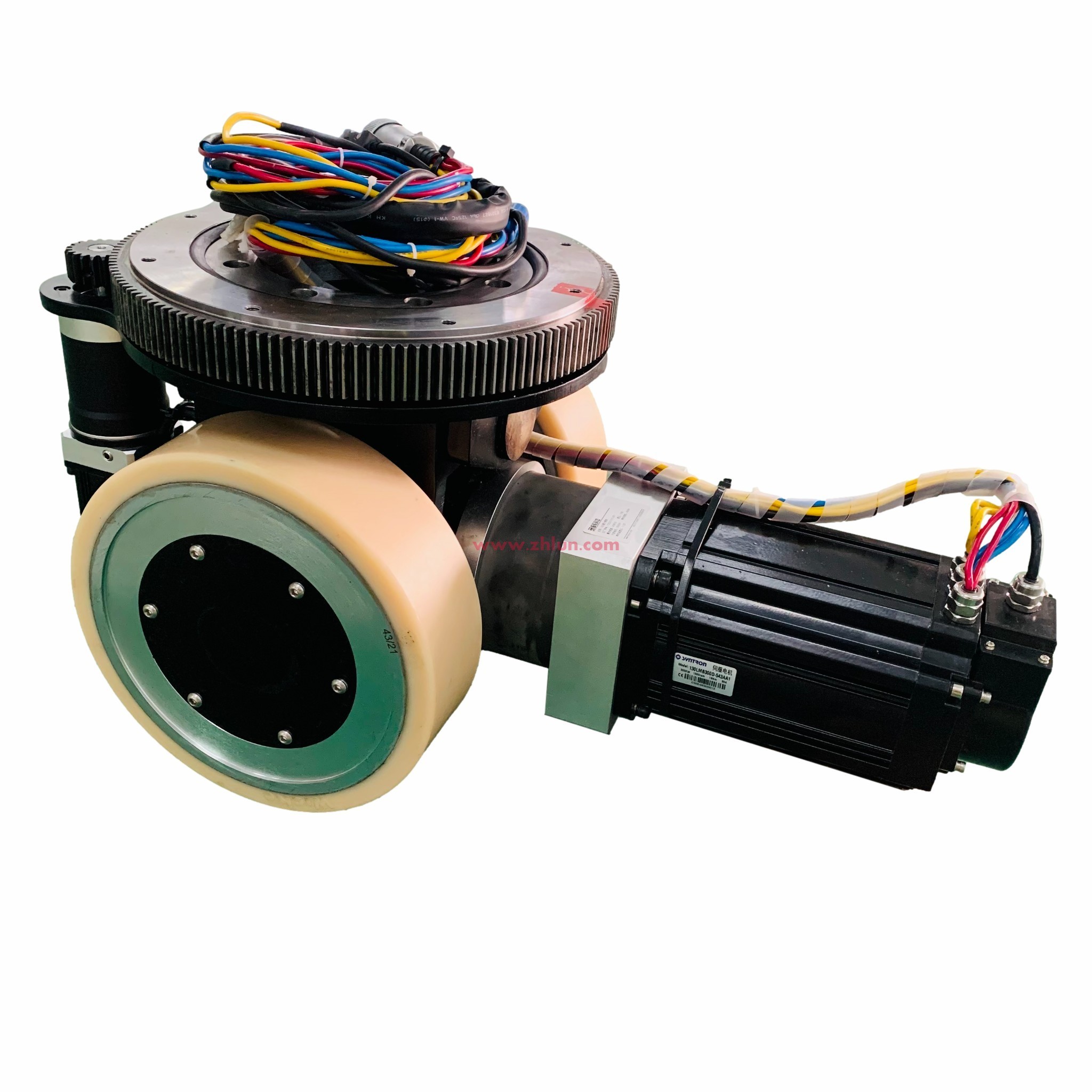
2026-06-18
Understanding Electric Differential Drive Wheels: A Key Component in Modern Automotive Systems
Electric differential drive wheels are an innovative advancement in automotive technology, especially pertinent to the evolving landscape of electric vehicles (EVs) and hybrid systems. In essence, these wheels integrate an electric motor with the differential mechanism, enabling enhanced torque distribution and providing superior vehicle dynamics.
One of the primary benefits of electric different

2026-06-17
Comparing Heavy-Duty Drive Wheels: Which One Suits Your Needs?
Comparing Heavy-Duty Drive Wheels: Which One Suits Your Needs?
In the world of heavy-duty vehicles, selecting the right drive wheels is crucial for ensuring optimal performance, safety, and durability. With numerous options available in the market, it can be challenging to determine which heavy-duty drive wheel best fits your needs. In this article, we will explore the different types of heavy-dut
2026-06-10
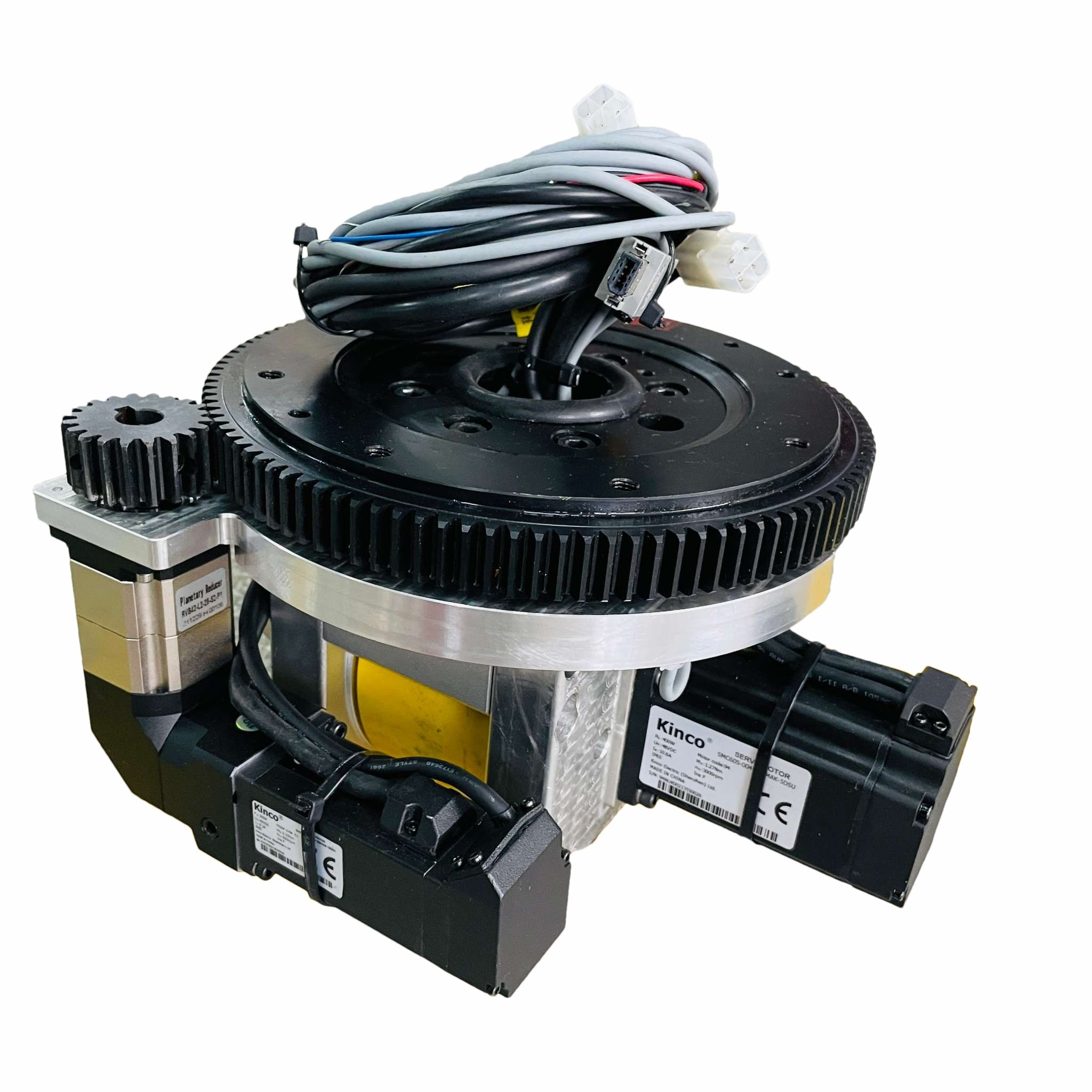
In the context of industrial AGV robots, the motor drive wheel is a critical component that significantly impacts performance, efficiency, and overall operational effectiveness. These wheels serve as the primary means of propulsion and steering, making their design and specification essential for the successful deployment of AGVs in various settings, from warehouses to manufacturing lines.
The mot
Products

Guangzhou Wisdom Wheel Science Technology Ltd.
No. 1436, Guangcong 9th Road, Guangzhou, Guangdong, China
Whatsapp/MB: Kelly +86-18102686399
Jackson +8615012435018
Candy:+86 19396885135

CopyRight © 2024 Guangzhou Wisdom Wheel Science Technology Ltd.
Powered by www.300.cn SEO Tags En_CityProduct
License