
News Categories
Essential Insights on Motor Drive Wheels for Industrial AGV Robots in the Automotive and Parts Industry
Release time:
2026-06-10
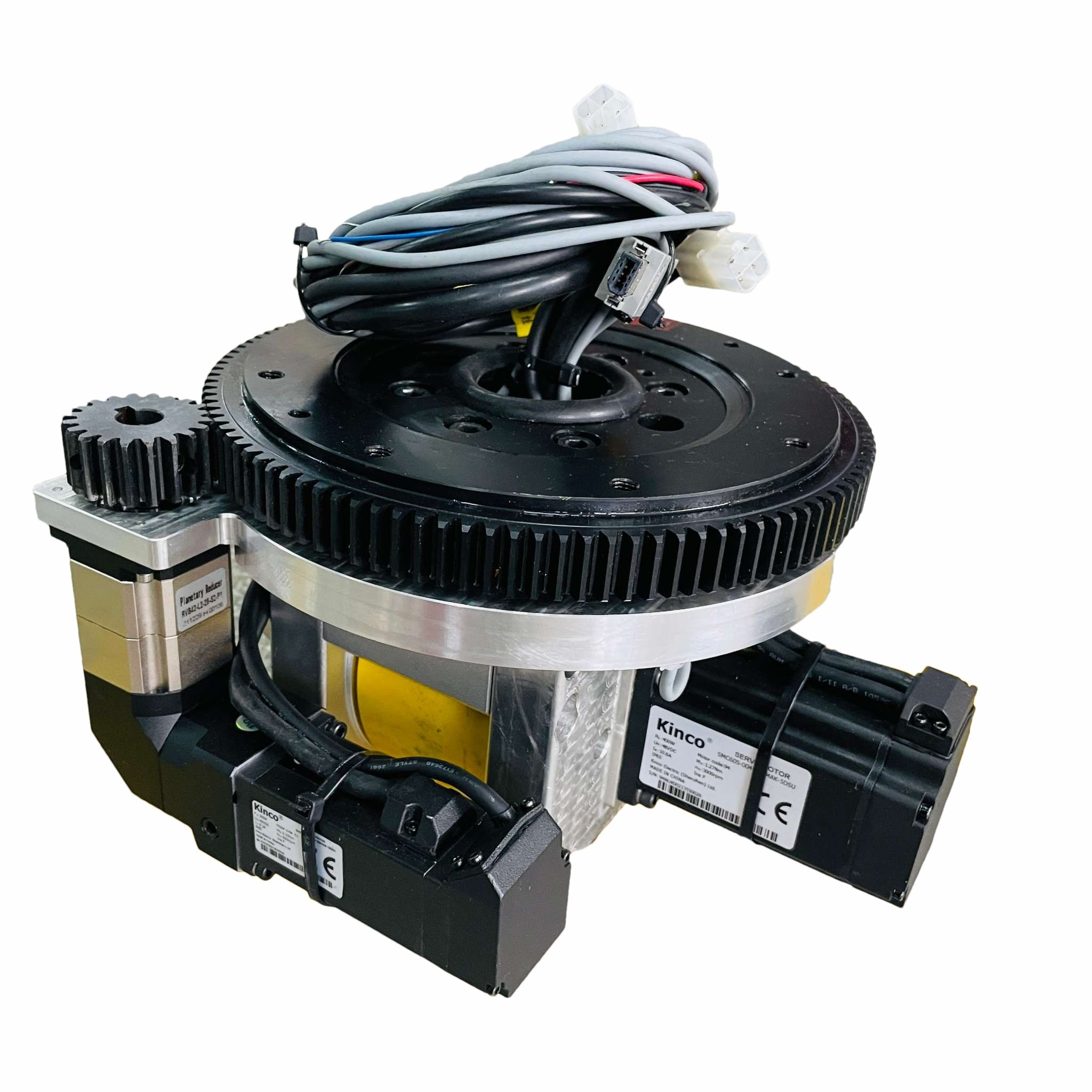
In the context of industrial AGV robots, the motor drive wheel is a critical component that significantly impacts performance, efficiency, and overall operational effectiveness. These wheels serve as the primary means of propulsion and steering, making their design and specification essential for the successful deployment of AGVs in various settings, from warehouses to manufacturing lines.
The motor drive wheel for industrial AGV robots typically integrates with the vehicle's drive system, which may include differential assemblies and various gear ratios. When selecting the appropriate motor drive wheel, professionals should consider factors such as load capacity, wheel material, diameter, and tread design. Each of these elements plays a vital role in the wheel's ability to navigate different surfaces and carry varying loads.
Load capacity is paramount, especially in environments where AGVs must transport heavy materials. Understanding the weight the AGV needs to handle will inform the choice of motor drive wheel, ensuring that it can operate efficiently without excessive wear or the risk of failure. Additionally, material selection—whether rubber, polyurethane, or other composites—can influence traction, durability, and noise levels during operation.
The diameter of the motor drive wheel also affects maneuverability and speed. Larger wheels can traverse obstacles more easily and maintain speed over distances, while smaller wheels may offer better precision in tight spaces. It's essential to match wheel size with the operational layout of the facility to enhance efficiency.
Tread design is another critical consideration. Different tread patterns can provide varying levels of traction and stability on diverse surfaces, such as concrete, asphalt, or metal. Choosing the right tread type can minimize slippage and improve safety, particularly in environments with changing terrain or where AGVs must stop and start frequently.
Additionally, professionals should consider the integration of advanced technologies such as smart sensors in conjunction with motor drive wheels. These technologies can provide real-time data on performance metrics, allowing for predictive maintenance and improved operational strategies.
In summary, selecting the right motor drive wheel for industrial AGV robots is a multifaceted decision that requires an understanding of load requirements, wheel materials, sizes, and tread designs. By carefully evaluating these factors, professionals in the automotive and parts industry can enhance the efficiency and effectiveness of their AGV systems, thereby optimizing their overall operational capabilities.
The motor drive wheel for industrial AGV robots typically integrates with the vehicle's drive system, which may include differential assemblies and various gear ratios. When selecting the appropriate motor drive wheel, professionals should consider factors such as load capacity, wheel material, diameter, and tread design. Each of these elements plays a vital role in the wheel's ability to navigate different surfaces and carry varying loads.
Load capacity is paramount, especially in environments where AGVs must transport heavy materials. Understanding the weight the AGV needs to handle will inform the choice of motor drive wheel, ensuring that it can operate efficiently without excessive wear or the risk of failure. Additionally, material selection—whether rubber, polyurethane, or other composites—can influence traction, durability, and noise levels during operation.
The diameter of the motor drive wheel also affects maneuverability and speed. Larger wheels can traverse obstacles more easily and maintain speed over distances, while smaller wheels may offer better precision in tight spaces. It's essential to match wheel size with the operational layout of the facility to enhance efficiency.
Tread design is another critical consideration. Different tread patterns can provide varying levels of traction and stability on diverse surfaces, such as concrete, asphalt, or metal. Choosing the right tread type can minimize slippage and improve safety, particularly in environments with changing terrain or where AGVs must stop and start frequently.
Additionally, professionals should consider the integration of advanced technologies such as smart sensors in conjunction with motor drive wheels. These technologies can provide real-time data on performance metrics, allowing for predictive maintenance and improved operational strategies.
In summary, selecting the right motor drive wheel for industrial AGV robots is a multifaceted decision that requires an understanding of load requirements, wheel materials, sizes, and tread designs. By carefully evaluating these factors, professionals in the automotive and parts industry can enhance the efficiency and effectiveness of their AGV systems, thereby optimizing their overall operational capabilities.
Related news
2026-06-10
In the context of industrial AGV robots, the motor drive wheel is a critical component that significantly impacts performance, efficiency, and overall operational effectiveness. These wheels serve as the primary means of propulsion and steering, making their design and specification essential for the successful deployment of AGVs in various settings, from warehouses to manufacturing lines.
The mot

2026-06-09
How Heavy Duty Robot Drive Wheels Impact Overall Vehicle Performance
How Heavy Duty Robot Drive Wheels Impact Overall Vehicle Performance
Table of Contents
Introduction to Heavy Duty Robot Drive Wheels
The Importance of Drive Wheel Design
Understanding the Mechanics of Heavy Duty Robot Drive Wheels
Benefits of Heavy Duty Robot Drive Wheels
Enhanced Efficiency and Performance
Improved Stability and Control
Durabili

2026-06-08
Understanding the Differential Motor Drive Wheel: Key Insights for Professionals
The differential motor drive wheel is a crucial component in automotive transmission systems, particularly in vehicles requiring precision handling and dynamic stability. This mechanism enables the wheels to rotate at different speeds while maintaining torque distribution, especially during turns and varying road conditions. Understanding the functionality and benefits of differential motor drive
Products

Guangzhou Wisdom Wheel Science Technology Ltd.
No. 1436, Guangcong 9th Road, Guangzhou, Guangdong, China
Whatsapp/MB: Kelly +86-18102686399
Jackson +8615012435018
Candy:+86 19396885135

CopyRight © 2024 Guangzhou Wisdom Wheel Science Technology Ltd.
Powered by www.300.cn SEO Tags En_CityProduct
License