
Heavy Duty Robot Drive Wheels: A Comprehensive Guide for Automotive Enthusiasts
Release time:
2026-04-30
Heavy Duty Robot Drive Wheels: A Comprehensive Guide for Automotive Enthusiasts
Table of Contents
- 1. Introduction to Heavy Duty Robot Drive Wheels
- 2. What Are Heavy Duty Robot Drive Wheels?
- 3. Benefits of Using Heavy Duty Robot Drive Wheels
- 4. Key Features to Consider When Choosing Drive Wheels
- 5. Types of Heavy Duty Robot Drive Wheels
- 6. Installation Guide for Heavy Duty Robot Drive Wheels
- 7. Maintenance Tips for Longevity
- 8. Troubleshooting Common Issues
- 9. Conclusion
- 10. FAQs
1. Introduction to Heavy Duty Robot Drive Wheels
Heavy-duty robot drive wheels play a crucial role in the performance of robotic systems, especially in demanding environments. These wheels are designed to provide superior traction, durability, and stability, making them an essential component for mobile robots used across various industries. Whether you're a hobbyist building your own robot or a professional involved in robotics, understanding the intricacies of these drive wheels is vital.
2. What Are Heavy Duty Robot Drive Wheels?
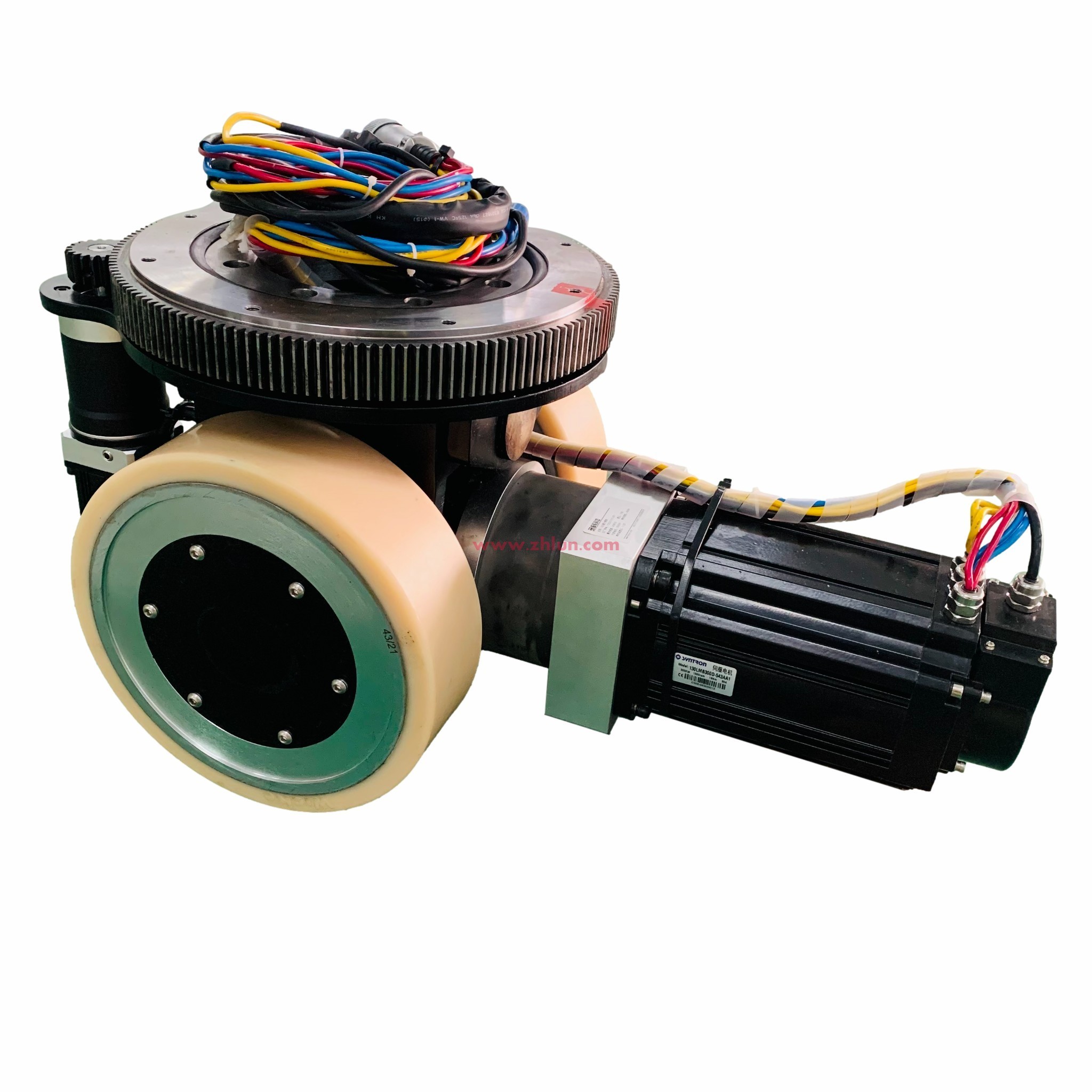
Heavy-duty robot drive wheels are specialized wheels designed for robotic applications that require significant weight support and traction. Unlike standard wheels, heavy-duty options are built to endure harsh conditions and heavy loads. They often feature materials that resist wear and tear, ensuring they can operate efficiently over extended periods.
The design of these wheels typically incorporates robust treads for improved grip on various surfaces. Additionally, many heavy-duty drive wheels come with advanced features like shock absorption and self-cleaning capabilities, which enhance their functionality in challenging environments.
3. Benefits of Using Heavy Duty Robot Drive Wheels
Using heavy-duty robot drive wheels offers numerous advantages:
Enhanced Durability
Heavy-duty wheels are constructed from robust materials that resist damage from impacts and abrasion, resulting in a longer lifespan.
Improved Traction
These wheels feature specialized tread patterns that provide superior grip on different surfaces, ensuring reliable performance whether on smooth floors or rugged terrains.
Increased Load Capacity
Heavy-duty robot drive wheels can handle significantly more weight than standard wheels, making them ideal for heavy payloads and industrial applications.
Better Stability and Control
The design of heavy-duty wheels contributes to improved stability, allowing robots to navigate uneven or challenging terrains without losing control.
Versatility
These wheels can be utilized in a range of robotic applications, from autonomous vehicles to industrial robots, giving users flexibility in design.
4. Key Features to Consider When Choosing Drive Wheels
When selecting heavy-duty robot drive wheels, several key features must be taken into account:
Material
Choose wheels made from high-quality materials such as rubber, polyurethane, or aluminum. Each material offers unique benefits regarding durability and performance.
Tread Design
The tread pattern affects traction and performance on various surfaces. Look for designs that suit the intended application, whether it requires grip on smooth or rough terrain.
Wheel Diameter
The diameter of the wheel impacts speed and load capacity. Larger wheels can navigate obstacles more easily but may require more power to move.
Weight Rating
Ensure the wheels can support the expected load. Check the manufacturer’s specifications for weight ratings to prevent operational failures.
Mounting Options
Consider how the wheels will be mounted on the robot. Compatibility with your robot's frame is crucial for effective performance.
5. Types of Heavy Duty Robot Drive Wheels
Understanding the different types of heavy-duty robot drive wheels can help you make an informed choice:
Omni Wheels
Omni wheels allow for multidirectional movement, making them ideal for robots that require maneuverability in tight spaces.
Hub Motors
These wheels integrate the motor within the wheel itself, offering a compact design and efficient power transfer.
Fixed Wheels
Fixed wheels are designed for straightforward forward and backward movement, suitable for applications requiring stability.
Articulated Wheels
These wheels can pivot and rotate, providing enhanced control and adaptability to uneven surfaces.
Track Wheels
Track wheels feature a continuous band that offers excellent grip and stability, particularly useful in off-road settings.
6. Installation Guide for Heavy Duty Robot Drive Wheels
Proper installation of heavy-duty robot drive wheels is essential for optimal performance. Follow these steps for a successful installation:
Step 1: Gather Your Tools
Make sure you have the necessary tools, including a wrench, screwdriver, and any specific mounting hardware recommended by the manufacturer.
Step 2: Prepare the Robot Frame
Ensure the frame of your robot is clean and free from debris. This will help achieve a secure fit for the wheels.
Step 3: Align the Wheels
Position the wheels according to your design specifications. Ensure they are evenly spaced for balanced weight distribution.
Step 4: Secure the Wheels
Using the appropriate hardware, secure each wheel to the robot frame. Make sure they are tightly fastened to prevent any wobbling during operation.
Step 5: Test the Installation
Before full operation, conduct a test run to ensure that the wheels are functioning correctly and that there are no issues with alignment or stability.
7. Maintenance Tips for Longevity
Regular maintenance extends the life of heavy-duty robot drive wheels. Here are some practical tips:
Routine Inspections
Check the wheels regularly for signs of wear and damage. Inspect the tread for excessive wear and ensure that the mounting hardware is secure.
Cleaning
Keep the wheels clean from debris, dirt, and grime. Use a damp cloth and gentle soap for cleaning, avoiding harsh chemicals that could damage the material.
Lubrication
If applicable, lubricate any moving parts associated with the wheels to ensure smooth operation. Use the manufacturer's recommended lubricant for best results.
Monitor Performance
Pay attention to how the robot performs. Any unusual sounds or changes in movement could indicate an issue that needs immediate attention.
Replace as Needed
When the wheels become worn beyond usability, replace them to maintain optimal performance and safety.
8. Troubleshooting Common Issues
Despite proper installation and maintenance, issues can still arise. Here are common problems and how to troubleshoot them:
Problem: Wheels Skidding
Solution: Check the tread for wear and ensure the wheels are suitable for the surface type. Consider replacing them or adjusting the wheel configuration for better grip.
Problem: Uneven Wear
Solution: Inspect the robot's weight distribution. Uneven loading can cause certain wheels to wear more quickly than others.
Problem: Noisy Wheels
Solution: Noises can indicate debris caught in the wheel or a need for lubrication. Inspect and clean as necessary.
Problem: Difficulty in Movement
Solution: Test the wheels for proper installation and alignment. Ensure they are securely mounted and not obstructed.
9. Conclusion
Heavy-duty robot drive wheels are an essential component for any robotics enthusiast or professional. By understanding their features, benefits, and how to maintain them, you can enhance the performance and longevity of your robotic applications. Whether you are navigating rugged terrains or executing precise maneuvers, the right drive wheels make all the difference. Embrace this technology and ensure your robotic systems operate at their best.
10. FAQs
1. What materials are best for heavy-duty robot drive wheels?
The best materials include rubber for flexibility, polyurethane for durability, and aluminum for strength. The choice depends on the application needs.
2. How do I choose the right size of wheels for my robot?
The size should be determined by the weight of the robot, the type of terrain it will navigate, and the desired speed.
3. Can I use standard wheels for heavy-duty applications?
Standard wheels may not withstand the stress and load of heavy-duty applications. It’s recommended to use wheels specifically designed for heavy loads.
4. How often should I perform maintenance on my robot drive wheels?
Routine inspections should be done weekly, with in-depth cleaning and maintenance performed monthly or as needed based on usage.
5. Are heavy-duty robot drive wheels expensive?
Prices vary based on material, design, and brand. While they can be more expensive than standard wheels, their durability and performance often justify the investment.
Related news

2026-04-30
Heavy Duty Robot Drive Wheels: A Comprehensive Guide for Automotive Enthusiasts
2026-04-28
How Electric Differential Drive Wheels Enhance Vehicle Handling for Superior Performance

2026-04-24
Industrial AGV Robots: Enhancing Performance with Quality Motor Drive Wheels
Products

Guangzhou Wisdom Wheel Science Technology Ltd.
No. 1436, Guangcong 9th Road, Guangzhou, Guangdong, China
Whatsapp/MB: Kelly +86-18102686399
Jackson +8615012435018
Candy:+86 19396885135

CopyRight © 2024 Guangzhou Wisdom Wheel Science Technology Ltd.
Powered by www.300.cn SEO Tags En_CityProduct