
News Categories
How Electric Differential Drive Wheels Enhance Vehicle Handling for Superior Performance
Release time:
2026-04-28
How Electric Differential Drive Wheels Enhance Vehicle Handling
Table of Contents
1. Introduction to Electric Differential Drive Wheels
2. Understanding Vehicle Handling
3. The Technology Behind Electric Differentials
3.1 Key Components of Electric Differential Systems
4. Advantages of Electric Differential Drive Wheels
4.1 Improved Traction and Stability
4.2 Enhanced Cornering and Maneuverability
5. Comparison with Traditional Differential Systems
5.1 Performance Metrics
5.2 Maintenance and Reliability
6. Real-World Applications and Case Studies
7. The Future of Electric Differential Technology
8. Frequently Asked Questions (FAQs)
9. Conclusion
1. Introduction to Electric Differential Drive Wheels
Electric differential drive wheels represent a groundbreaking advancement in automotive technology, specifically designed to enhance vehicle handling and performance. Unlike traditional mechanical differentials, electric differentials utilize electric motors to adjust the torque distribution to each wheel independently. This innovative approach allows for precise control over the vehicle's dynamics, making it a game-changer for both everyday drivers and motorsport enthusiasts.
2. Understanding Vehicle Handling
Vehicle handling refers to how a car responds to driver inputs, particularly during cornering, acceleration, and braking. Good handling ensures that a vehicle maintains traction and stability while navigating various road conditions. Factors influencing vehicle handling include suspension geometry, tire characteristics, and, significantly, the differential system in use. Enhancing vehicle handling through advanced technologies like electric differentials can lead to a safer and more enjoyable driving experience.
3. The Technology Behind Electric Differentials
Electric differentials operate using sophisticated electronic control systems that monitor wheel speed, steering angle, and other critical parameters. By dynamically adjusting power distribution, these systems can significantly enhance vehicle handling.
3.1 Key Components of Electric Differential Systems
Electric differential systems consist of several key components:
- **Electric Motors**: These provide the necessary torque to each wheel, allowing for real-time adjustments.
- **Sensors**: Input from sensors monitors performance metrics, including wheel speed and lateral acceleration.
- **Control Units**: These units process sensor data and determine the optimal torque distribution for each wheel.
- **Software Algorithms**: Advanced algorithms help fine-tune the vehicle's response to various driving conditions.
4. Advantages of Electric Differential Drive Wheels
The benefits of electric differential drive wheels extend beyond mere performance; they also enhance safety and driving enjoyment.
4.1 Improved Traction and Stability
One of the most significant advantages of electric differentials is their ability to provide improved traction. By distributing torque to the wheels with the most grip, electric differentials help prevent wheel slippage during acceleration and cornering. This leads to enhanced stability, especially in adverse weather conditions.
4.2 Enhanced Cornering and Maneuverability
Electric differentials enable finer control over the vehicle's dynamics, resulting in superior cornering capabilities. The system can adjust torque distribution based on steering inputs, allowing for more agile and responsive handling. This capability is particularly beneficial in high-performance scenarios, such as racing or spirited driving on twisty roads.
5. Comparison with Traditional Differential Systems
To appreciate the advantages of electric differentials, it’s essential to understand how they compare to traditional mechanical systems.
5.1 Performance Metrics
Traditional differentials rely on mechanical components to distribute power, which can lead to limitations in performance. For instance, when one wheel loses traction, power is diverted to that wheel, potentially causing a loss of control. In contrast, electric differentials can instantly redirect power, maintaining optimal traction at all times.
5.2 Maintenance and Reliability
Electric differential systems are designed for longevity and reliability. While traditional differentials may require regular maintenance to keep mechanical components in good working order, electric systems generally have fewer moving parts, reducing the likelihood of mechanical failure and the need for extensive maintenance.
6. Real-World Applications and Case Studies
Electric differential technology is already making waves in various automotive sectors. High-performance vehicles, electric cars, and even some SUVs utilize this advanced technology to enhance their dynamics. For example, the Tesla Model S and Porsche Taycan are equipped with electric differentials that contribute to their exceptional handling and acceleration performance.
Additionally, motorsport teams are increasingly adopting electric differential systems to gain a competitive edge. By fine-tuning torque distribution in real-time, these teams can optimize performance on different track conditions, providing insights that can benefit everyday drivers.
7. The Future of Electric Differential Technology
The future of electric differential technology looks promising. As electric vehicles (EVs) continue to gain popularity, the demand for advanced handling systems will only increase. Automakers are likely to invest heavily in research and development to enhance electric differential systems' capabilities, making them more accessible across various vehicle segments. Future innovations may include further integration with autonomous driving technology, allowing for even greater vehicle control and safety.
8. Frequently Asked Questions (FAQs)
1. What is an electric differential drive wheel?
An electric differential drive wheel uses electric motors to control torque distribution between wheels, enhancing vehicle handling and performance.
2. How do electric differentials improve traction?
Electric differentials can instantly redirect torque to the wheels with the most grip, preventing slippage and improving traction during acceleration and cornering.
3. Are electric differentials more reliable than traditional differentials?
Yes, electric differentials typically have fewer moving parts than traditional mechanical differentials, which can lead to increased reliability and reduced maintenance needs.
4. Can electric differentials enhance safety?
By providing better traction and stability, electric differentials can significantly enhance driving safety, especially in adverse weather conditions.
5. What vehicles commonly use electric differential systems?
Electric differential systems are commonly found in high-performance vehicles, electric cars, and some SUVs, including models like the Tesla Model S and Porsche Taycan.
9. Conclusion
Electric differential drive wheels are revolutionizing how we approach vehicle handling, offering superior performance, stability, and safety. By providing precise control over torque distribution, these systems ensure that drivers can navigate various road conditions with confidence. As technology advances, the integration of electric differentials into more vehicles will undoubtedly enhance the driving experience, making it safer and more enjoyable for everyone. Embracing this innovative technology is not just about performance; it’s about redefining the future of driving.
Related news
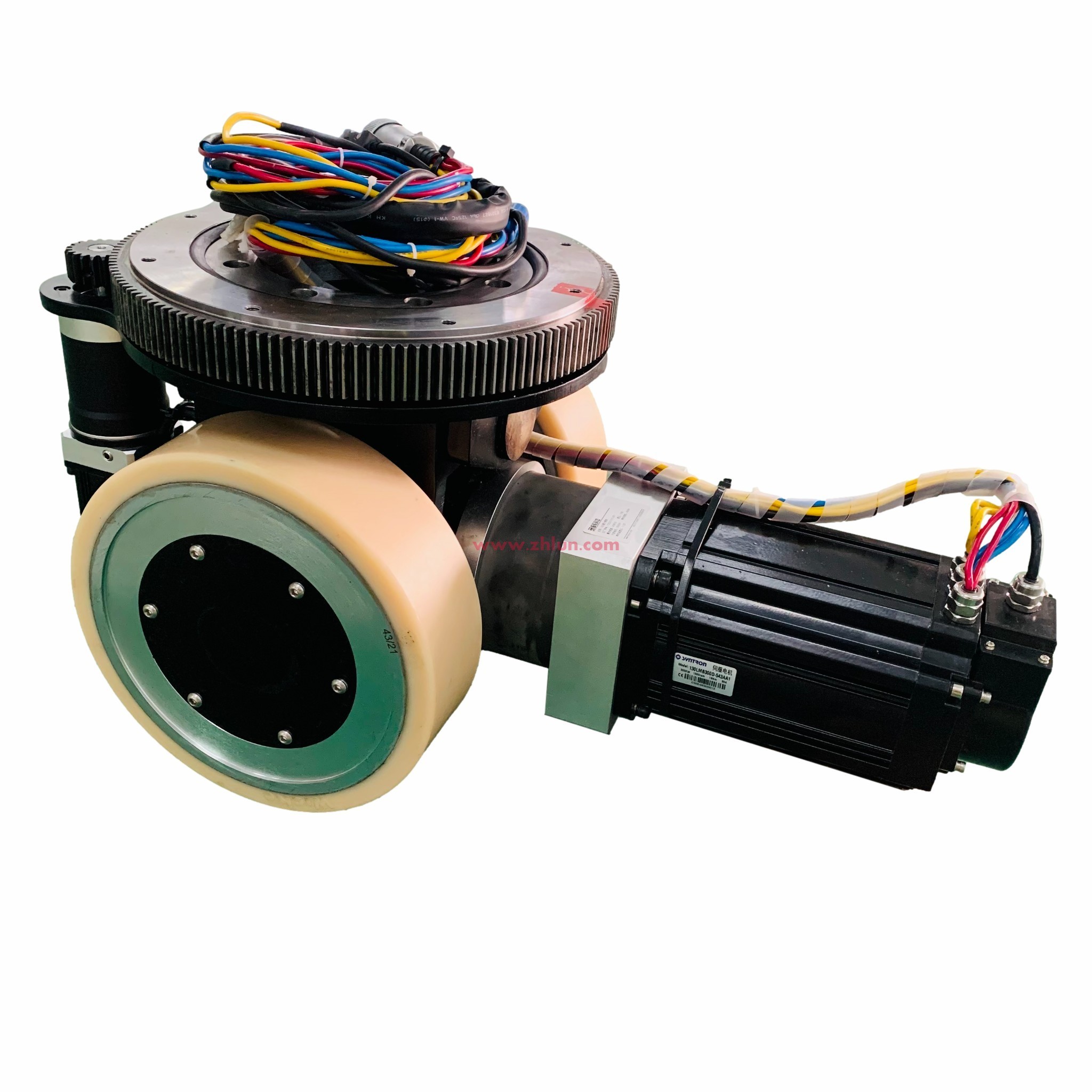
2026-04-28
How Electric Differential Drive Wheels Enhance Vehicle Handling for Superior Performance
How Electric Differential Drive Wheels Enhance Vehicle Handling
Table of Contents
1. Introduction to Electric Differential Drive Wheels
2. Understanding Vehicle Handling
3. The Technology Behind Electric Differentials
3.1 Key Components of Electric Differential Systems
4. Advantages of Electric Differential Drive Wheels
4.1 Improved Traction and Stability
4.2 Enhanced Cornering and Maneuverability

2026-04-24
Industrial AGV Robots: Enhancing Performance with Quality Motor Drive Wheels
Introduction to Industrial AGV Robots and Their Importance
In the rapidly evolving landscape of industrial automation, **Automated Guided Vehicles (AGVs)** have emerged as a cornerstone technology. These sophisticated machines are designed to transport materials and goods within facilities with minimal human intervention. The essence of their reliability and performance is deeply connected to one
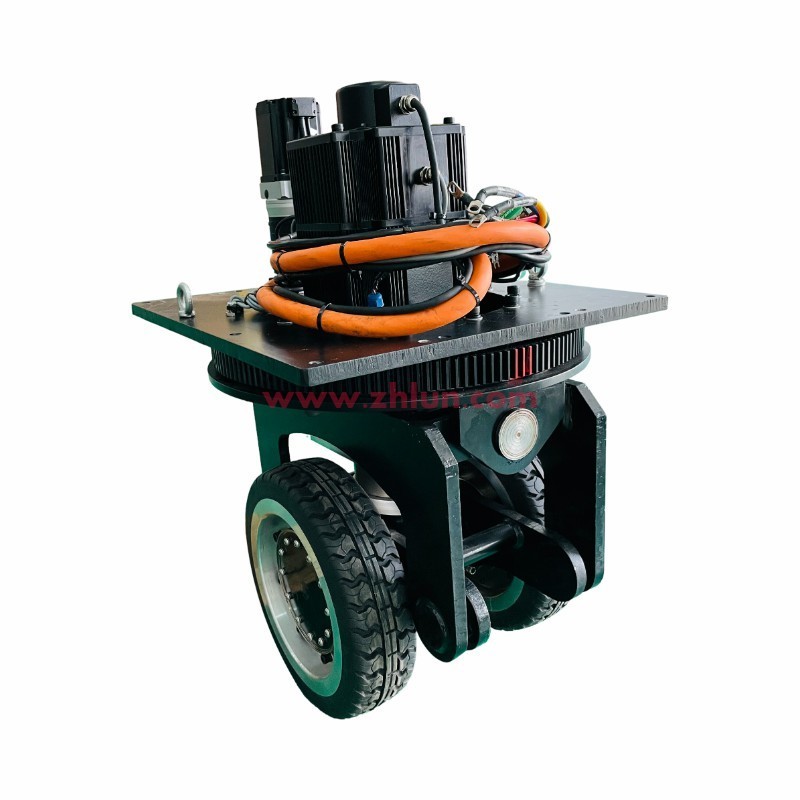
2026-04-23
Understanding Heavy Duty Robot Drive Wheels: Key Features and Benefits
When it comes to robotic systems, particularly in heavy-duty environments, the choice of drive wheels plays a pivotal role in overall performance. Heavy duty robot drive wheels are specifically designed to handle demanding conditions, making them an essential component in various applications, from industrial automation to off-road robotics. Understanding their features and benefits can help you m
Products

Guangzhou Wisdom Wheel Science Technology Ltd.
No. 1436, Guangcong 9th Road, Guangzhou, Guangdong, China
Whatsapp/MB: Kelly +86-18102686399
Jackson +8615012435018
Candy:+86 19396885135

CopyRight © 2024 Guangzhou Wisdom Wheel Science Technology Ltd.
Powered by www.300.cn SEO Tags En_CityProduct
License