
Heavy Duty Drive Wheel: Durable Power Transmission Solution for Industrial Equipment
Release time:
2026-06-29
Introduction
A Heavy Duty Drive Wheel is a critical component designed to provide reliable traction, power transmission, and load-bearing performance in demanding industrial environments. Engineered for strength and durability, heavy duty drive wheels are widely used in forklifts, automated guided vehicles (AGVs), electric pallet trucks, stackers, warehouse equipment, mining machinery, construction machinery, and various material handling systems.
Manufactured using premium materials such as polyurethane, rubber, cast iron, forged steel, nylon, or aluminum cores, heavy duty drive wheels offer exceptional wear resistance, high load capacity, excellent shock absorption, and long service life. They are designed to withstand continuous operation under heavy loads while maintaining stable traction and efficient power transfer.
Whether used in indoor warehouses or outdoor industrial applications, heavy duty drive wheels improve equipment performance, reduce maintenance costs, and enhance operational safety.
What Is a Heavy Duty Drive Wheel?
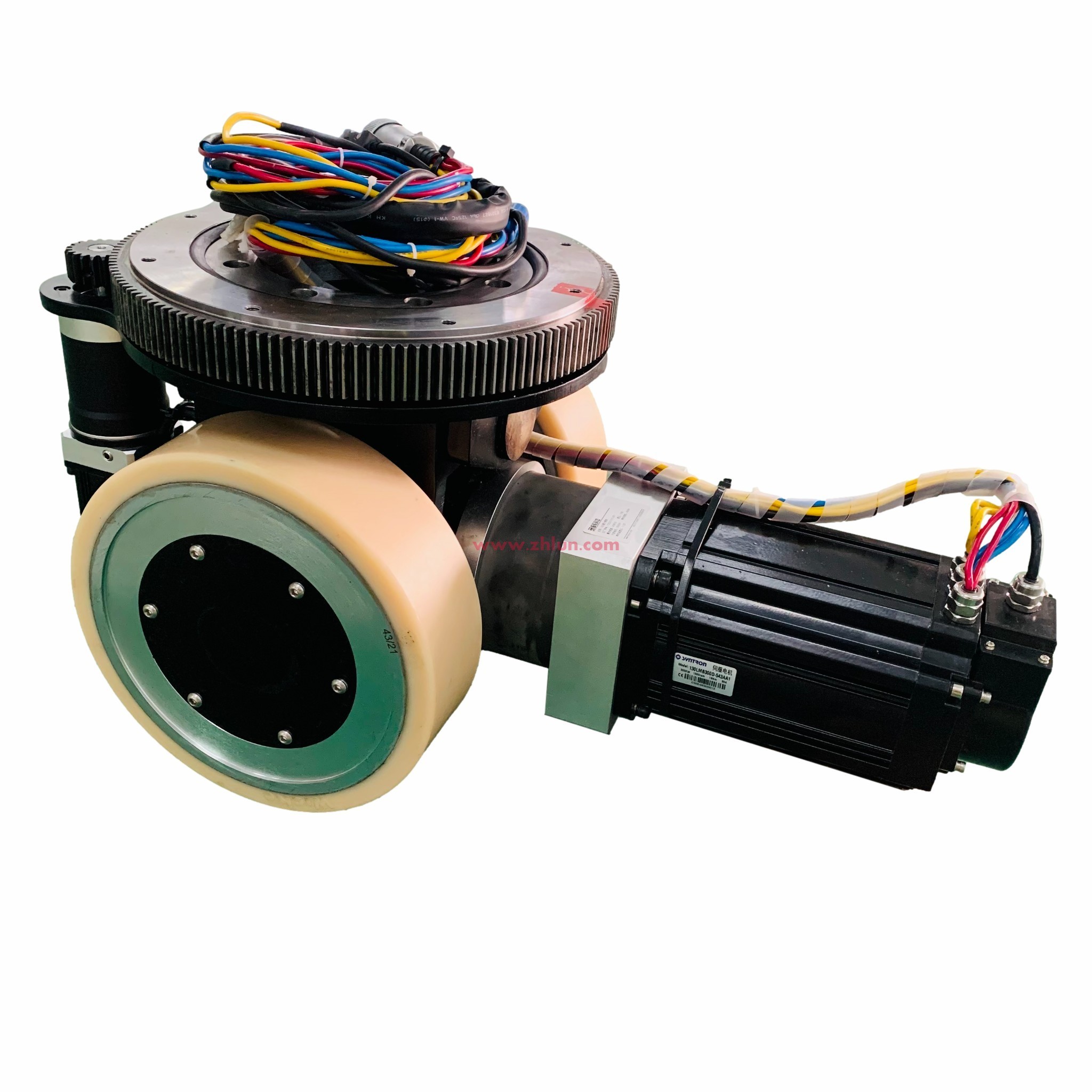
A heavy duty drive wheel is a powered wheel that transfers torque from a motor or transmission system to move industrial equipment. Unlike standard caster wheels, drive wheels provide both movement and propulsion while supporting substantial loads.
Drive wheels typically consist of several components, including a wheel core, tread material, precision bearings, keyways or hubs, and optional mounting hardware. Depending on the application, the wheel surface may be manufactured from polyurethane, solid rubber, nylon, or steel to provide the optimal balance between traction, durability, and floor protection.
Heavy duty drive wheels are available in numerous diameters, widths, load capacities, and tread hardness levels to meet different operational requirements.
Key Features
Heavy duty drive wheels are engineered for superior performance in challenging industrial conditions.
High load-bearing capacity allows the wheels to support heavy equipment while maintaining stable movement.
Excellent wear resistance ensures a long service life, even under continuous operation.
Strong traction improves driving efficiency on concrete, epoxy flooring, steel plates, and other industrial surfaces.
Low rolling resistance helps reduce motor energy consumption while improving equipment efficiency.
Shock-absorbing tread materials minimize vibration and protect transported goods.
Corrosion-resistant metal cores extend service life in humid or harsh environments.
Precision bearings ensure smooth rotation and reduce operational noise.
Custom sizes and materials allow manufacturers to meet specific customer requirements.
Technical Specifications
Typical heavy duty drive wheels are available in diameters ranging from 100 mm to 500 mm, although larger custom sizes are also available. Load capacities generally range from 300 kg to more than 5,000 kg depending on wheel size and construction.
Common tread materials include polyurethane, natural rubber, solid rubber, nylon, cast iron, forged steel, and engineering plastics. Core materials may include aluminum alloy, cast iron, carbon steel, stainless steel, or reinforced nylon.
Bearing options include ball bearings, roller bearings, needle bearings, and precision sealed bearings. Hardness ratings typically range from Shore A 85 to Shore D 75 according to the selected material.
Operating temperatures usually range from -30°C to +80°C, with specialized materials available for higher or lower temperature environments.
Manufacturing Process
Producing high-quality heavy duty drive wheels requires advanced manufacturing technology and strict quality control.
The process begins with raw material inspection to ensure all materials meet performance standards. Wheel cores are manufactured using precision casting, forging, or CNC machining processes. Polyurethane or rubber treads are molded and chemically bonded to the wheel core for maximum adhesion.
After molding, wheels undergo precision machining to achieve accurate dimensions and smooth rotation. Bearings are installed using specialized equipment to ensure proper alignment and minimal friction.
Each finished drive wheel is subjected to dimensional inspection, hardness testing, load testing, dynamic balancing, bearing inspection, and appearance verification before packaging.
Applications
Heavy duty drive wheels are used in a wide range of industries.
Warehouse logistics equipment relies on drive wheels for forklifts, pallet trucks, stackers, order pickers, and automated storage systems.
Automated Guided Vehicles (AGVs) use precision drive wheels to achieve accurate navigation and reliable movement.
Manufacturing facilities install heavy duty drive wheels in production lines, conveyor equipment, robotic systems, and automated transport vehicles.
Construction equipment utilizes drive wheels for lifting platforms, compact transport equipment, and mobile machinery.
Mining operations require durable drive wheels capable of carrying heavy loads under severe operating conditions.
Airports employ drive wheels in baggage handling systems and ground support equipment.
Ports and shipping terminals use heavy duty wheels in cargo handling machinery and transport vehicles.
Medical logistics systems, cleaning machines, and special industrial robots also depend on reliable drive wheels for smooth operation.
Advantages of Heavy Duty Drive Wheels
Compared with standard industrial wheels, heavy duty drive wheels provide numerous operational advantages.
Their superior load capacity allows equipment to transport heavier materials safely.
High-quality tread materials reduce floor damage while maintaining excellent traction.
Long service life lowers replacement frequency and maintenance expenses.
Precision manufacturing ensures smooth movement with reduced vibration and noise.
Custom wheel designs optimize equipment performance for specialized applications.
Energy-efficient rolling characteristics reduce motor workload and operating costs.
Excellent resistance to oil, chemicals, abrasion, and impact makes them suitable for demanding industrial environments.
Customization Options
Professional manufacturers provide comprehensive OEM and ODM customization services.
Customers can specify wheel diameter, tread width, hub dimensions, bore size, bearing type, keyway design, mounting holes, tread material, hardness, color, surface finish, and load capacity.
Additional options include anti-static materials, non-marking polyurethane, high-temperature rubber compounds, stainless steel cores, sealed bearings, and customized branding.
Manufacturers can produce according to engineering drawings, CAD files, or customer samples.
Quality Assurance
Strict quality management ensures consistent product performance.
Incoming raw materials undergo comprehensive inspection before production.
Every manufacturing stage is carefully monitored to maintain dimensional accuracy and material consistency.
Finished products are tested for hardness, concentricity, radial runout, bearing performance, load capacity, dynamic balance, and overall durability.
Many manufacturers operate under ISO 9001 quality management systems and provide products complying with international quality standards.
Maintenance Recommendations
Regular inspection helps maximize drive wheel service life.
Keep wheel surfaces clean and free from excessive debris.
Inspect bearings periodically and replace worn components promptly.
Avoid operating beyond the rated load capacity.
Check wheel alignment to prevent uneven wear.
Store replacement wheels in a dry environment away from direct sunlight and corrosive chemicals.
Follow manufacturer recommendations for lubrication where applicable.
Why Choose Our Heavy Duty Drive Wheels?
Our heavy duty drive wheels are manufactured using premium raw materials, advanced production equipment, and precision machining technology. Every product undergoes comprehensive quality testing to ensure exceptional reliability and long service life.
We provide flexible OEM and ODM manufacturing, fast production schedules, competitive pricing, professional engineering support, and responsive customer service. Whether you require standard industrial wheels or customized drive wheel solutions, we can deliver products tailored to your equipment requirements.
Conclusion
Heavy duty drive wheels are essential components for modern industrial machinery, providing reliable power transmission, superior load capacity, excellent wear resistance, and smooth operation. Their robust construction, customizable configurations, and long service life make them an ideal solution for forklifts, AGVs, warehouse equipment, manufacturing systems, construction machinery, and numerous industrial applications.
Choosing a professional manufacturer ensures high-quality products, dependable performance, and customized solutions that improve equipment efficiency while reducing maintenance costs and downtime.
Related news

2026-09-28
Autonomous Guided Vehicle: Flexible Automation for Smarter Industrial Material Handling

2026-09-27
Differential Motor Drive Wheels: Essential for All-Wheel Drive Vehicles
2026-09-26
Understanding Electric Differential Drive Wheels: Key Insights for Professionals
Products

Guangzhou Wisdom Wheel Science Technology Ltd.
No. 1436, Guangcong 9th Road, Guangzhou, Guangdong, China
Whatsapp/MB: Kelly +86-18102686399
Jackson +8615012435018
Candy:+86 19396885135

CopyRight © 2024 Guangzhou Wisdom Wheel Science Technology Ltd.
Powered by www.300.cn SEO Tags En_CityProduct