
News Categories
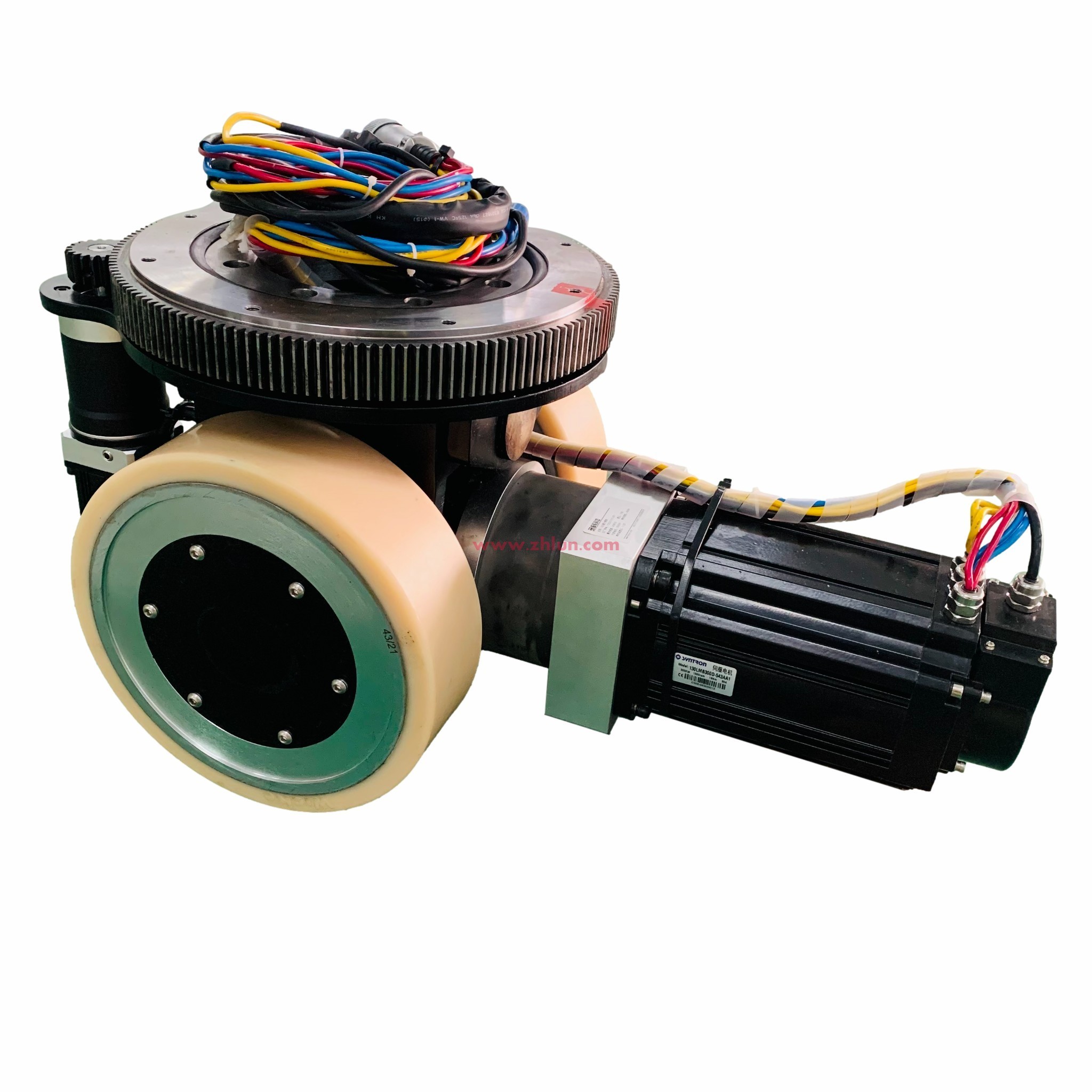
Differential Motor Drive Wheels: Essential for All-Wheel Drive Vehicles
Release time:
2026-09-27
Differential Motor Drive Wheels: Essential for All-Wheel Drive Vehicles
Understanding the Role of Differential Motor Drive Wheels
All-wheel drive (AWD) vehicles are celebrated for their superior traction and enhanced handling capabilities across varying terrains. At the heart of this performance is the **differential motor drive wheels** system. These components play a pivotal role in distributing power to the wheels, allowing for a smooth and controlled driving experience. In this comprehensive article, we will delve into the intricacies of these essential parts, their functions, and their significance in modern vehicles.
What is a Differential Motor Drive Wheel?
A differential motor drive wheel is a component of the drivetrain in all-wheel drive vehicles that enables power distribution and assists in the direction of motion. Unlike traditional two-wheel drive systems, AWD systems require complex components that allow for variable power distribution to individual wheels. This ensures that the vehicle maintains traction and stability, even in challenging driving conditions.
Key Components of Differential Motor Drive Wheels
The differential motor drive wheels consist of several key components:
1. Differential Case
The **differential case** encases the gears and is responsible for housing the differential mechanism. It plays a crucial role in protecting the internal components from dirt and debris.
2. Ring Gear and Pinion Gear
These gears transmit power from the engine to the **drive wheels**. The ring gear is typically larger and is connected to the driveshaft, while the pinion gear is smaller and engages with the ring gear to facilitate motion.
3. Spider Gears
Spider gears allow for the wheels to rotate at different speeds, essential for smooth cornering. This functionality is vital for maintaining vehicle stability and minimizing tire wear.
4. Axles
The axles connect the differential to the wheels, transmitting power and facilitating movement. Depending on the vehicle's design, axles can be either half-shafts or full-shafts.
5. Lubrication System
Proper lubrication is vital for the longevity and performance of the differential motor drive wheels. A well-maintained lubrication system reduces friction and heat, preventing potential damage.
The Importance of Differential Motor Drive Wheels in AWD Systems
Differential motor drive wheels are crucial for several reasons:
Enhanced Traction
By distributing power effectively to all wheels, differential motor drive wheels enhance traction on slippery surfaces. This is particularly beneficial in adverse weather conditions, such as rain or snow, helping to prevent skidding and loss of control.
Improved Handling
AWD vehicles equipped with differential motor drive wheels exhibit superior handling characteristics. The ability to transfer torque between the front and rear wheels allows for tighter cornering and stability during maneuvers.
Fuel Efficiency
Modern differential systems are designed with fuel efficiency in mind. By optimizing power distribution, these systems help to reduce engine load, thereby improving overall fuel economy.
Off-Road Capability
For off-road enthusiasts, differential motor drive wheels are invaluable. They enable vehicles to traverse challenging terrains by providing power to the wheels that require it most, ensuring that drivers can maintain forward momentum even in difficult conditions.
Types of Differential Systems in All-Wheel Drive Vehicles
Different types of differential systems exist within all-wheel drive vehicles, each offering unique advantages.
Open Differential
The **open differential** is the most common type, allowing wheels to rotate at different speeds. While it provides good performance on dry surfaces, it may struggle in low-traction conditions, as power may be lost to the wheel with less traction.
Limited Slip Differential
The **limited slip differential** improves traction by transferring power to the wheel with more grip. This type of differential is beneficial in high-performance and off-road vehicles, as it minimizes wheel spin during acceleration.
Locking Differential
A **locking differential** can be manually or automatically engaged to lock both wheels on an axle together. This feature is particularly useful in off-road situations where maximum traction is essential.
Electronic Differential
The **electronic differential** utilizes sensors and computer systems to optimize power distribution in real-time. This advanced technology allows for seamless transitions between driving conditions, enhancing overall performance.
Maintenance Tips for Differential Motor Drive Wheels
Proper maintenance of differential motor drive wheels is crucial to ensure optimal performance and longevity.
Regular Inspections
Conduct routine inspections of the differential system to check for wear and tear. Look for signs of leaks, unusual noises, or vibrations while driving that may indicate potential issues.
Lubrication Changes
Changing the differential fluid at regular intervals is essential for maintaining a well-functioning system. Old or contaminated fluid can lead to increased friction and overheating, resulting in significant damage.
Professional Service
Consider having your differential system serviced by a professional technician. They can provide a thorough inspection and address any concerns, ensuring that your AWD system operates smoothly.
Advancements in Differential Technology
The automotive industry is constantly evolving, and advancements in differential technology are making vehicles more efficient and capable.
Smart Differentials
Smart differentials leverage advanced algorithms to analyze driving conditions and adjust power distribution accordingly. This technology enhances performance and safety, particularly in dynamic driving environments.
Torque Vectoring
**Torque vectoring** systems distribute torque independently to each wheel, allowing for optimal handling and performance. This technology is particularly useful in high-performance sports cars and luxury vehicles.
FAQs About Differential Motor Drive Wheels
1. What is the primary function of differential motor drive wheels?
Differential motor drive wheels distribute engine power to all wheels, enhancing traction and stability in all-wheel drive vehicles.
2. How often should I change the differential fluid?
It is recommended to change the differential fluid every 30,000 to 60,000 miles, but always consult your vehicle’s owner manual for specific intervals.
3. Can I drive with a failing differential?
Driving with a failing differential can lead to further damage and safety issues. It is essential to address any symptoms of failure promptly.
4. What are the signs of a failing differential?
Common signs include unusual noises, vibrations, and difficulty in turning or maintaining traction.
5. Are electronic differentials worth the investment?
Yes, electronic differentials enhance handling and safety, particularly in varying driving conditions, making them a valuable addition to modern vehicles.
Conclusion
In conclusion, **differential motor drive wheels** are an essential component of all-wheel drive vehicles, significantly contributing to their performance, handling, and safety. With advancements in technology and ongoing maintenance, these systems continue to enhance the driving experience across diverse terrains. Understanding their function and importance can empower drivers to make informed decisions regarding vehicle performance and safety. Embrace the advantages that differential motor drive wheels offer and ensure your all-wheel drive vehicle remains a reliable and capable companion on any journey.
Related news

2026-09-27
Differential Motor Drive Wheels: Essential for All-Wheel Drive Vehicles
Differential Motor Drive Wheels: Essential for All-Wheel Drive Vehicles
Understanding the Role of Differential Motor Drive Wheels
All-wheel drive (AWD) vehicles are celebrated for their superior traction and enhanced handling capabilities across varying terrains. At the heart of this performance is the **differential motor drive wheels** system. These components play a pivotal role in distributing
2026-09-26
Understanding Electric Differential Drive Wheels: Key Insights for Professionals
Electric differential drive wheels are a significant advancement in automotive technology, particularly in the realm of drivetrain systems. They function by enabling effective torque distribution between the wheels, which is crucial for maintaining stability and maneuverability in various driving conditions. Unlike traditional differential systems, electric differentials leverage electric motors i

2026-09-25
How Heavy-Duty Drive Wheels Enhance Load Distribution in Vehicles
How Heavy-Duty Drive Wheels Enhance Load Distribution in Vehicles
Table of Contents
1. Introduction to Heavy-Duty Drive Wheels
2. What are Heavy-Duty Drive Wheels?
3. Importance of Load Distribution in Vehicles
4. Benefits of Heavy-Duty Drive Wheels
4.1 Enhancing Vehicle Stability
4.2 Improving Safety and Control
4.3 Extending Vehicle L
Products

Guangzhou Wisdom Wheel Science Technology Ltd.
No. 1436, Guangcong 9th Road, Guangzhou, Guangdong, China
Whatsapp/MB: Kelly +86-18102686399
Jackson +8615012435018
Candy:+86 19396885135

CopyRight © 2024 Guangzhou Wisdom Wheel Science Technology Ltd.
Powered by www.300.cn SEO Tags En_CityProduct
License