
News Categories
Understanding Motor Drive Wheels for Industrial AGV Robots: Key Insights for the Automotive and Parts Industry
Release time:
2026-11-24
In the ever-evolving landscape of industrial automation, Automated Guided Vehicles (AGVs) have emerged as pivotal components for enhancing operational efficiency in various sectors, including the automotive industry. A crucial element of AGVs is the motor drive wheel, which not only propels the vehicle but also influences maneuverability, load capacity, and overall performance.
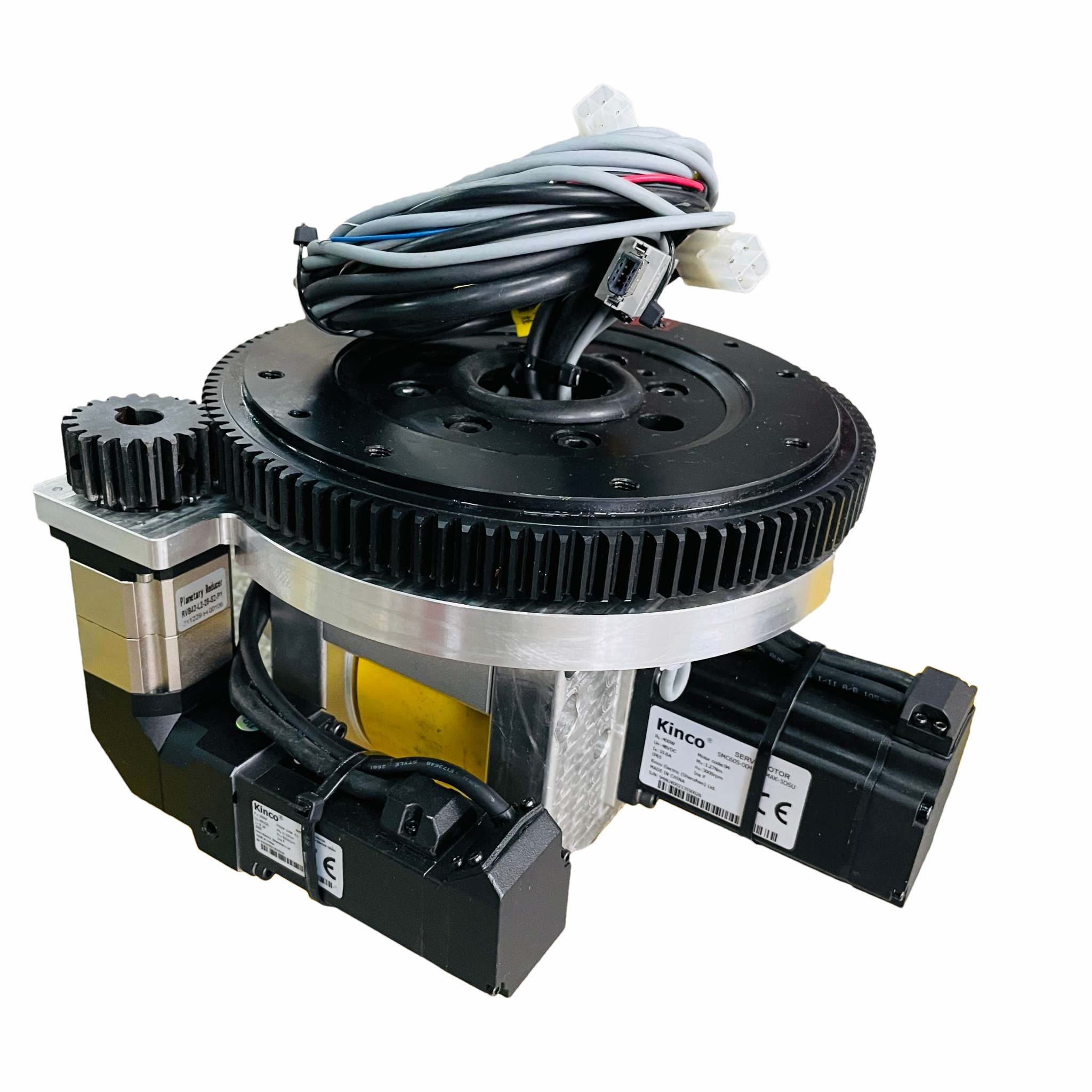
Motor drive wheels for industrial AGV robots are specifically designed to meet the rigorous demands of automated environments. These wheels typically integrate a motor within the wheel assembly, allowing for compact designs that facilitate seamless operation in constrained spaces. The choice of motor drive wheels directly impacts the AGV's speed, torque, and efficiency, making it essential for professionals in the automotive sector to understand their specifications and capabilities.
One of the primary advantages of high-quality motor drive wheels is their ability to provide precise control over AGV movements. With the right wheel configuration, operators can achieve superior handling, enabling AGVs to navigate tight corners and complex layouts with ease. This precision is vital for industries where space is at a premium, as it minimizes the risk of collisions and enhances safety protocols.
Additionally, the material composition of motor drive wheels plays a significant role in their performance. Advanced materials can offer improved durability, resistance to wear, and better traction on various surfaces. This is particularly important in industrial settings where AGVs may encounter different floor conditions, ranging from smooth concrete to uneven terrain.
When selecting motor drive wheels for AGVs, industry professionals must also consider factors such as load capacity, operational environment, and maintenance requirements. Understanding these parameters ensures that the chosen wheels not only support the AGV's functional needs but also align with the overall operational goals of the facility.
Furthermore, advancements in technology have led to the development of smart motor drive wheels that incorporate sensors and telemetry systems. These innovations enable real-time monitoring of wheel performance, providing data that can be used to optimize operations and predict maintenance needs. For professionals in the automotive and parts industry, staying abreast of these technological trends can inform better decision-making and enhance the efficiency of fleet management.
In conclusion, the significance of selecting the appropriate motor drive wheel for industrial AGV robots cannot be overstated. By understanding the critical attributes and advantages of these components, professionals in the automotive sector can make informed choices that enhance productivity and drive innovation within their operations. As this technology continues to advance, keeping pace with developments in motor drive wheel design and functionality will be essential for maintaining a competitive edge in the market.
Related news
2026-11-24
In the ever-evolving landscape of industrial automation, Automated Guided Vehicles (AGVs) have emerged as pivotal components for enhancing operational efficiency in various sectors, including the automotive industry. A crucial element of AGVs is the motor drive wheel, which not only propels the vehicle but also influences maneuverability, load capacity, and overall performance.
Motor drive wheels

2026-11-20
The Science Behind Heavy Duty Robot Drive Wheels and Their Functionality
The Science Behind Heavy Duty Robot Drive Wheels and Their Functionality
Table of Contents
Introduction to Heavy Duty Robot Drive Wheels
The Importance of Drive Wheels in Robotics
Key Design Factors of Heavy Duty Robot Drive Wheels
Material Selection for Optimal Performance
Types of Heavy Duty Robot Drive Wheels
Functional Aspects of Drive Wheels
Maintenance Tips for L

2026-11-16
Understanding Differential Motor Drive Wheels: Innovations in Automotive Drive Systems
---
Differential motor drive wheels play a critical role in the automotive and motorcycle industries, particularly within transmission systems and differential assemblies. Understanding the intricacies of these components can significantly enhance vehicle performance, handling, and safety.
At its core, a differential motor drive wheel is designed to allow the wheels of a vehicle to rotate at diff
Products

Guangzhou Wisdom Wheel Science Technology Ltd.
No. 1436, Guangcong 9th Road, Guangzhou, Guangdong, China
Whatsapp/MB: Kelly +86-18102686399
Jackson +8615012435018
Candy:+86 19396885135

CopyRight © 2024 Guangzhou Wisdom Wheel Science Technology Ltd.
Powered by www.300.cn SEO Tags En_CityProduct
License