
News Categories
Understanding Heavy-Duty Drive Wheels: Key Components for Robust Performance
Release time:
2026-09-20
Heavy-duty drive wheels play a critical role in the overall performance of vehicles, especially in demanding conditions that require robust components. These wheels are designed to withstand significant stress and load, making them essential for heavy machinery, commercial trucks, and off-road vehicles. Understanding the intricacies of heavy-duty drive wheels can significantly impact both functionality and longevity in automotive and accessory applications.
One of the primary functions of heavy-duty drive wheels is to transfer power from the engine through the drivetrain to the ground. This process involves a series of components, including the differential assembly, which distributes torque to the wheels. The design of heavy-duty drive wheels typically incorporates high-strength materials that can endure the rigors of heavy loads and off-road terrains. These materials often include reinforced alloys or specially formulated composites that resist wear and tear, ensuring a longer lifespan.
In addition to material strength, the design and construction of heavy-duty drive wheels involve sophisticated engineering to optimize performance. Features such as tread pattern, wheel diameter, and width are meticulously calculated to provide maximum traction and stability. For instance, a wider wheel can distribute load more effectively, which is crucial when navigating uneven surfaces or during heavy towing.
Moreover, the integration of heavy-duty drive wheels with the differential assembly is vital for maintaining vehicle control and handling. A well-functioning differential enables wheels to rotate at different speeds, particularly during turns, which is essential for preventing tire wear and ensuring smooth navigation. Proper alignment and maintenance of this assembly are crucial to the effectiveness of heavy-duty drive wheels.
When considering heavy-duty drive wheels for your vehicle, it is essential to evaluate not only their load capacity but also their compatibility with your existing drivetrain system. This includes assessing the gear ratios and overall drivetrain layout to ensure that any replacements or upgrades will work harmoniously together.
Regular maintenance and inspections of heavy-duty drive wheels and associated components are also important to ensure optimal performance. Look for signs of excessive wear, such as uneven tread wear patterns or unusual vibrations during operation, as these can indicate potential issues within the drivetrain system.
In summary, heavy-duty drive wheels are a fundamental component in the drivetrain of vehicles that require high performance and durability. Their design, material composition, and integration with the differential assembly are all crucial for achieving reliable operation, especially in challenging environments. Understanding these factors can help you make informed decisions regarding maintenance and upgrades to enhance your vehicle's performance.
One of the primary functions of heavy-duty drive wheels is to transfer power from the engine through the drivetrain to the ground. This process involves a series of components, including the differential assembly, which distributes torque to the wheels. The design of heavy-duty drive wheels typically incorporates high-strength materials that can endure the rigors of heavy loads and off-road terrains. These materials often include reinforced alloys or specially formulated composites that resist wear and tear, ensuring a longer lifespan.
In addition to material strength, the design and construction of heavy-duty drive wheels involve sophisticated engineering to optimize performance. Features such as tread pattern, wheel diameter, and width are meticulously calculated to provide maximum traction and stability. For instance, a wider wheel can distribute load more effectively, which is crucial when navigating uneven surfaces or during heavy towing.
Moreover, the integration of heavy-duty drive wheels with the differential assembly is vital for maintaining vehicle control and handling. A well-functioning differential enables wheels to rotate at different speeds, particularly during turns, which is essential for preventing tire wear and ensuring smooth navigation. Proper alignment and maintenance of this assembly are crucial to the effectiveness of heavy-duty drive wheels.
When considering heavy-duty drive wheels for your vehicle, it is essential to evaluate not only their load capacity but also their compatibility with your existing drivetrain system. This includes assessing the gear ratios and overall drivetrain layout to ensure that any replacements or upgrades will work harmoniously together.
Regular maintenance and inspections of heavy-duty drive wheels and associated components are also important to ensure optimal performance. Look for signs of excessive wear, such as uneven tread wear patterns or unusual vibrations during operation, as these can indicate potential issues within the drivetrain system.
In summary, heavy-duty drive wheels are a fundamental component in the drivetrain of vehicles that require high performance and durability. Their design, material composition, and integration with the differential assembly are all crucial for achieving reliable operation, especially in challenging environments. Understanding these factors can help you make informed decisions regarding maintenance and upgrades to enhance your vehicle's performance.
Related news
2026-09-20
Understanding Heavy-Duty Drive Wheels: Key Components for Robust Performance
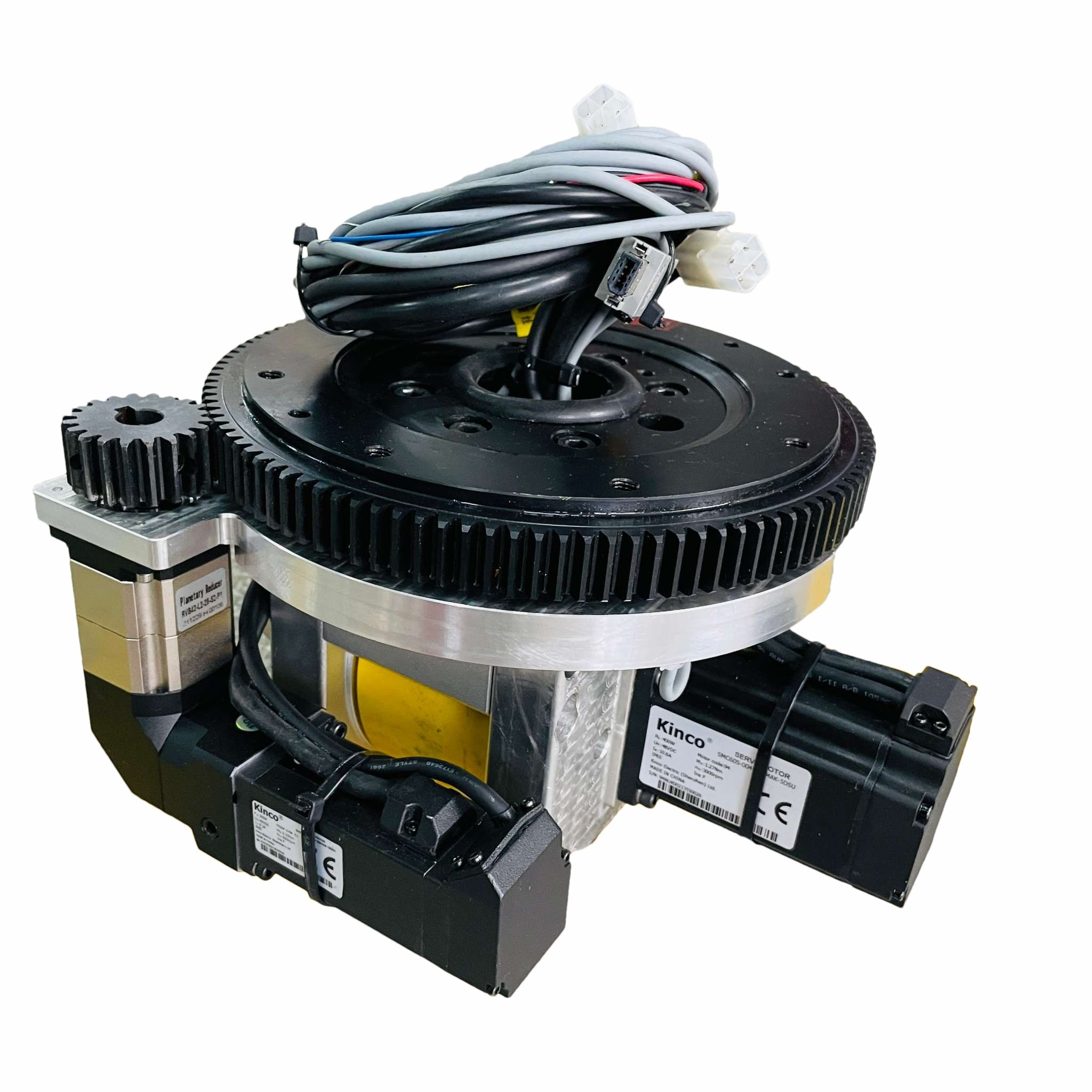
Heavy-duty drive wheels play a critical role in the overall performance of vehicles, especially in demanding conditions that require robust components. These wheels are designed to withstand significant stress and load, making them essential for heavy machinery, commercial trucks, and off-road vehicles. Understanding the intricacies of heavy-duty drive wheels can significantly impact both function
2026-09-19
AGV Robotics and Motor Drive Wheels: A Perfect Match for Enhanced Productivity
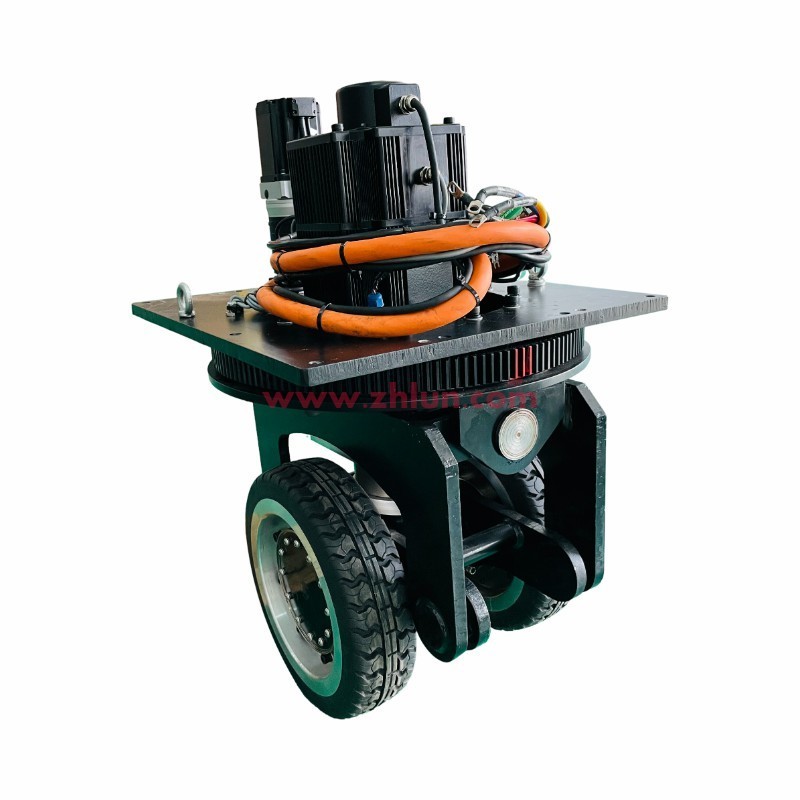
Table of Contents
1. Introduction to AGV Robotics
2. Understanding Motor Drive Wheels
3. The Importance of Productivity in Modern Industries
4. How AGV Robotics Works
4.1 Key Components of AGV Systems
4.2 Types of AGVs
5. The Role of Motor Drive Wheels in AGVs
5.1 Types of Motor Drive Wheels
5.2 Benefits of Advanced Mot
2026-09-18
Understanding Heavy Duty Robot Drive Wheels: A Key Component for Enhanced Performance
Heavy duty robot drive wheels play a pivotal role in the optimal functioning of robotic systems, particularly in applications that demand robustness and reliability. These wheels are designed to support substantial loads, ensuring that robots can operate effectively in demanding environments. Whether they are used in industrial automation, logistics, or material handling, the performance of a robo
Products
CopyRight © 2024 Guangzhou Wisdom Wheel Science Technology Ltd.
Powered by www.300.cn SEO Tags En_CityProduct
License