
News Categories
Understanding Heavy Duty Robot Drive Wheels: Essential Knowledge for Professionals
Release time:
2026-09-08
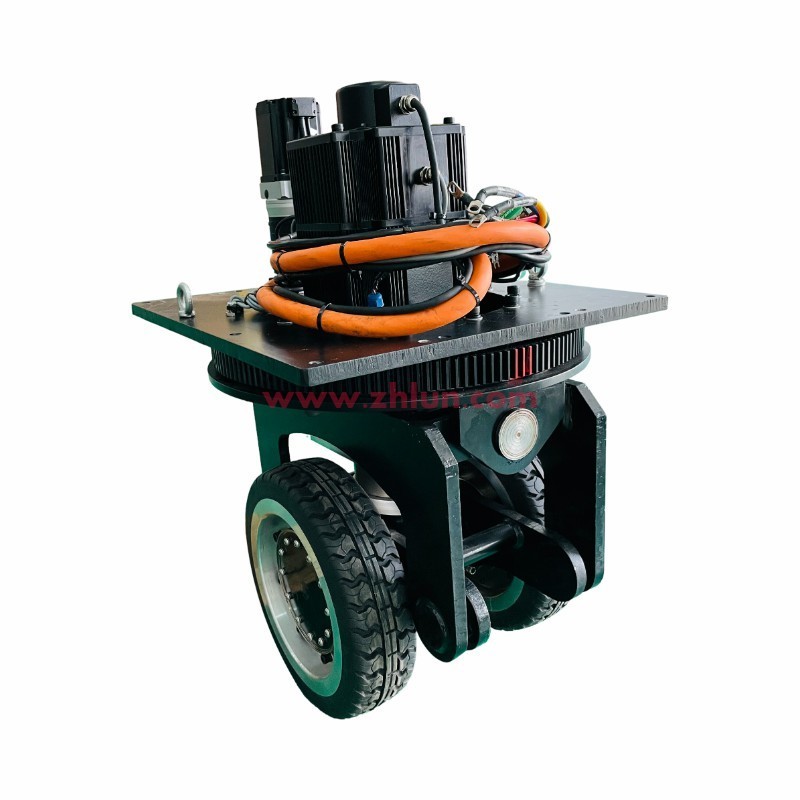
Heavy duty robot drive wheels are a vital component in various applications within the automotive industry, particularly in the transmission system and differential assemblies. These wheels are engineered to withstand intense operational demands, making them ideal for heavy machinery and robotic systems that require high performance and durability.
One of the primary characteristics of heavy duty robot drive wheels is their robust construction. Typically made from high-strength materials, these wheels are designed to endure significant loads and resist wear over time. This durability is essential for applications where reliability and performance are critical, such as in manufacturing robots, automated guided vehicles (AGVs), and other robotic systems used in harsh environments.
In addition to their strength, heavy duty drive wheels are often designed with specialized tread patterns to enhance traction and maneuverability. This feature is particularly important in environments where robots must navigate uneven surfaces or perform tasks that require precision. By optimizing the wheel's contact with the ground, manufacturers can improve overall efficiency and operational speed.
When considering heavy duty robot drive wheels, it is essential to evaluate their compatibility with the specific robotic systems and applications you are using. Factors such as wheel diameter, load capacity, and material composition should be taken into account to ensure optimal performance. Additionally, the correct selection of drive wheels can significantly impact the energy efficiency of the robotic system, leading to reduced operational costs over time.
Maintenance is another critical aspect of managing heavy duty robot drive wheels. Regular inspections and timely replacements can prevent operational downtime and extend the life of the robotic systems. It's advisable to establish a maintenance schedule that includes checking for wear and tear, ensuring proper alignment, and lubricating moving parts as needed.
Moreover, advancements in technology are continually enhancing the design and functionality of heavy duty robot drive wheels. Innovations such as integrated sensors and smart technology can provide real-time data on wheel performance, allowing for proactive maintenance and improved operational efficiency.
In summary, heavy duty robot drive wheels play an integral role in the efficacy of robotic systems within the automotive and accessory sector. Understanding their construction, benefits, and maintenance requirements can equip professionals with the knowledge needed to optimize performance and reliability in their applications. By focusing on these aspects, organizations can ensure their robotic systems remain efficient, durable, and capable of meeting the demands of modern manufacturing and transportation challenges.
One of the primary characteristics of heavy duty robot drive wheels is their robust construction. Typically made from high-strength materials, these wheels are designed to endure significant loads and resist wear over time. This durability is essential for applications where reliability and performance are critical, such as in manufacturing robots, automated guided vehicles (AGVs), and other robotic systems used in harsh environments.
In addition to their strength, heavy duty drive wheels are often designed with specialized tread patterns to enhance traction and maneuverability. This feature is particularly important in environments where robots must navigate uneven surfaces or perform tasks that require precision. By optimizing the wheel's contact with the ground, manufacturers can improve overall efficiency and operational speed.
When considering heavy duty robot drive wheels, it is essential to evaluate their compatibility with the specific robotic systems and applications you are using. Factors such as wheel diameter, load capacity, and material composition should be taken into account to ensure optimal performance. Additionally, the correct selection of drive wheels can significantly impact the energy efficiency of the robotic system, leading to reduced operational costs over time.
Maintenance is another critical aspect of managing heavy duty robot drive wheels. Regular inspections and timely replacements can prevent operational downtime and extend the life of the robotic systems. It's advisable to establish a maintenance schedule that includes checking for wear and tear, ensuring proper alignment, and lubricating moving parts as needed.
Moreover, advancements in technology are continually enhancing the design and functionality of heavy duty robot drive wheels. Innovations such as integrated sensors and smart technology can provide real-time data on wheel performance, allowing for proactive maintenance and improved operational efficiency.
In summary, heavy duty robot drive wheels play an integral role in the efficacy of robotic systems within the automotive and accessory sector. Understanding their construction, benefits, and maintenance requirements can equip professionals with the knowledge needed to optimize performance and reliability in their applications. By focusing on these aspects, organizations can ensure their robotic systems remain efficient, durable, and capable of meeting the demands of modern manufacturing and transportation challenges.
Related news
2026-09-08
Understanding Heavy Duty Robot Drive Wheels: Essential Knowledge for Professionals
Heavy duty robot drive wheels are a vital component in various applications within the automotive industry, particularly in the transmission system and differential assemblies. These wheels are engineered to withstand intense operational demands, making them ideal for heavy machinery and robotic systems that require high performance and durability.
One of the primary characteristics of heavy duty
2026-09-07
Troubleshooting Common Issues with Differential Motor Drive Wheels: A Comprehensive Guide
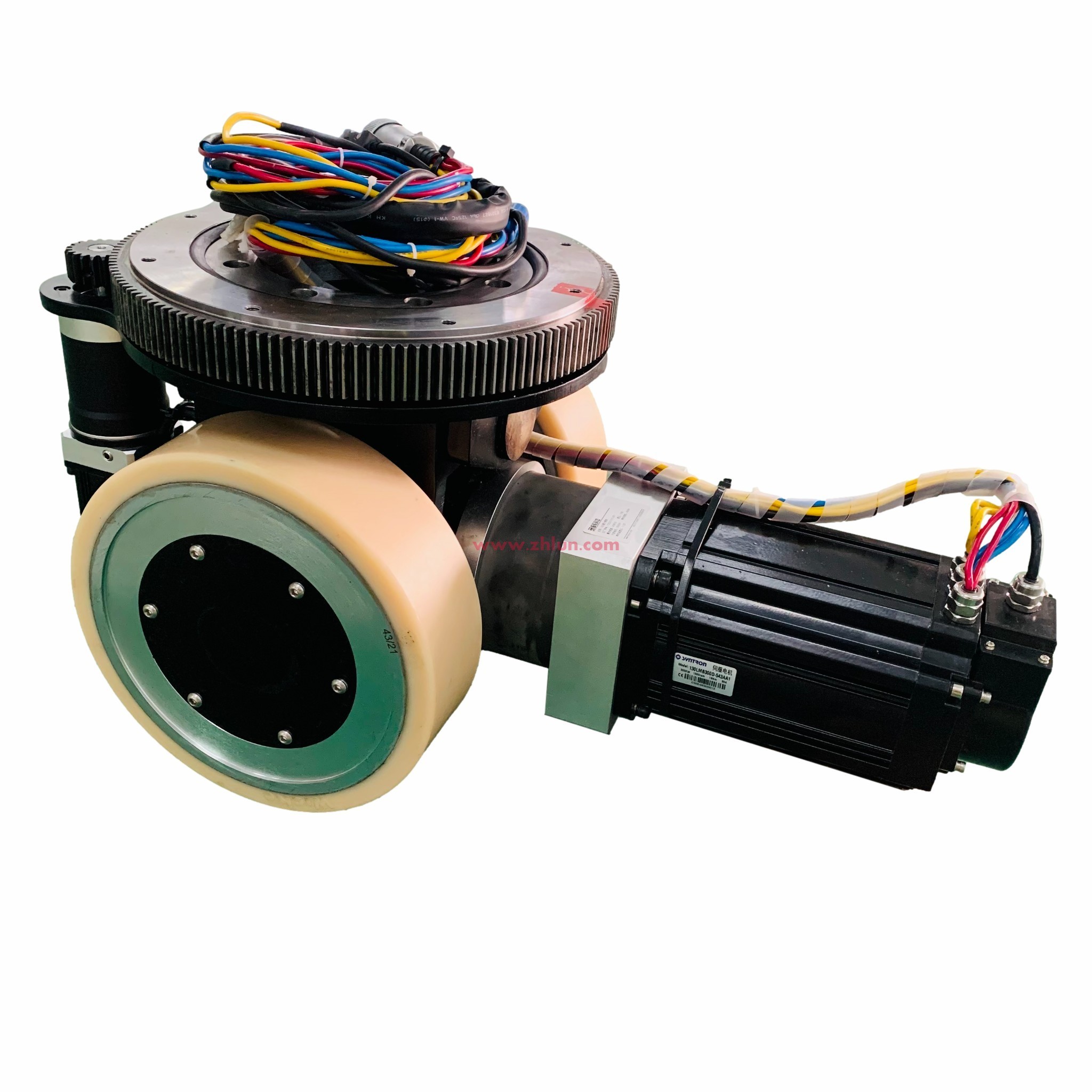
Troubleshooting Common Issues with Differential Motor Drive Wheels
The differential motor drive wheels play a crucial role in the overall performance of vehicles, especially those equipped with advanced drive systems. Understanding how to identify and resolve issues with these components is key to maintaining efficient vehicle operation. In this comprehensive guide, we delve into the common proble
2026-09-06
Understanding Electric Differential Drive Wheels: Innovations in Automotive Transmission Systems
Electric differential drive wheels represent a significant advancement in the field of automotive transmission systems. These components are designed to enhance vehicle performance by allowing independent control of wheel rotation, which is particularly beneficial for electric vehicles (EVs) and hybrid systems. This innovative technology not only improves traction and stability but also optimizes
Products
CopyRight © 2024 Guangzhou Wisdom Wheel Science Technology Ltd.
Powered by www.300.cn SEO Tags En_CityProduct
License