
News Categories
Understanding Heavy Duty Robot Drive Wheels: Key Features and Applications
Release time:
2026-07-30
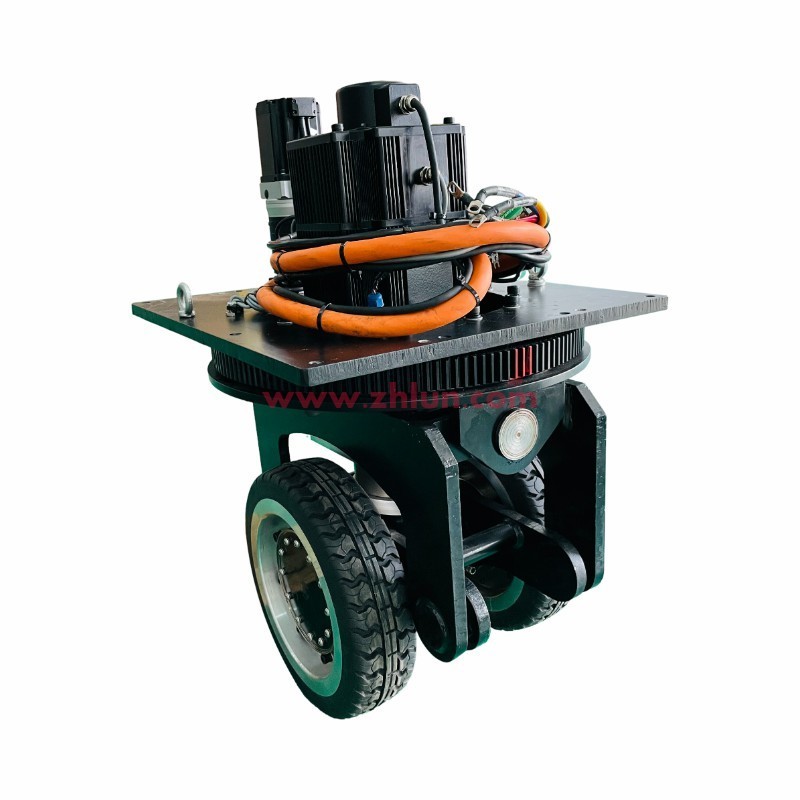
Heavy duty robot drive wheels play a pivotal role in various industrial and automotive applications, providing the necessary support and propulsion for robotic systems. These wheels are specifically designed to endure extreme conditions, making them ideal for heavy loads and demanding environments. Here, we will delve into the key features, benefits, and applications of heavy duty robot drive wheels, helping you understand their significance in the automotive and mechanical transmission systems sector.
One of the primary characteristics of heavy duty robot drive wheels is their robust construction. Typically manufactured from durable materials such as high-strength plastics or metals, these wheels are engineered to withstand high levels of stress while maintaining performance. The design often includes features such as reinforced hubs and wear-resistant treads, which contribute to their longevity and reliability. Additionally, a higher load capacity is a significant factor, allowing these wheels to support the weight of large robotic systems or heavy machinery without compromising performance.
Another critical aspect of heavy duty robot drive wheels is their traction capabilities. The tread design plays a vital role in ensuring optimal grip on various surfaces. This is particularly important in environments where robots may encounter uneven terrain or slippery conditions. Enhanced traction not only aids in navigation but also reduces the risk of slippage, which can lead to operational inefficiencies or even equipment damage.
Moreover, the integration of advanced technologies in the design of these drive wheels enhances their functionality. Features such as integrated sensors can provide real-time feedback on wheel performance, monitoring parameters like speed and temperature. This data is essential for optimizing robotic operations and ensuring the longevity of the equipment, as it allows for timely maintenance and repairs.
In terms of applications, heavy duty robot drive wheels are prevalent in several sectors, including manufacturing, logistics, and construction. In manufacturing settings, they are utilized in automated guided vehicles (AGVs) that transport materials across factory floors. In logistics, these wheels facilitate the movement of goods in warehouses, ensuring efficiency and safety. The construction industry also benefits from heavy duty robot drive wheels in robotic systems used for tasks such as demolition or site surveying, where resilience and reliability are paramount.
In conclusion, heavy duty robot drive wheels are integral components in the automotive and mechanical transmission systems industry. Their robust design, superior traction, and incorporation of advanced technologies make them suitable for a wide range of demanding applications. By understanding the features and benefits of these wheels, industry professionals can make informed decisions about their integration into robotic systems, ultimately enhancing operational efficiency and productivity.
One of the primary characteristics of heavy duty robot drive wheels is their robust construction. Typically manufactured from durable materials such as high-strength plastics or metals, these wheels are engineered to withstand high levels of stress while maintaining performance. The design often includes features such as reinforced hubs and wear-resistant treads, which contribute to their longevity and reliability. Additionally, a higher load capacity is a significant factor, allowing these wheels to support the weight of large robotic systems or heavy machinery without compromising performance.
Another critical aspect of heavy duty robot drive wheels is their traction capabilities. The tread design plays a vital role in ensuring optimal grip on various surfaces. This is particularly important in environments where robots may encounter uneven terrain or slippery conditions. Enhanced traction not only aids in navigation but also reduces the risk of slippage, which can lead to operational inefficiencies or even equipment damage.
Moreover, the integration of advanced technologies in the design of these drive wheels enhances their functionality. Features such as integrated sensors can provide real-time feedback on wheel performance, monitoring parameters like speed and temperature. This data is essential for optimizing robotic operations and ensuring the longevity of the equipment, as it allows for timely maintenance and repairs.
In terms of applications, heavy duty robot drive wheels are prevalent in several sectors, including manufacturing, logistics, and construction. In manufacturing settings, they are utilized in automated guided vehicles (AGVs) that transport materials across factory floors. In logistics, these wheels facilitate the movement of goods in warehouses, ensuring efficiency and safety. The construction industry also benefits from heavy duty robot drive wheels in robotic systems used for tasks such as demolition or site surveying, where resilience and reliability are paramount.
In conclusion, heavy duty robot drive wheels are integral components in the automotive and mechanical transmission systems industry. Their robust design, superior traction, and incorporation of advanced technologies make them suitable for a wide range of demanding applications. By understanding the features and benefits of these wheels, industry professionals can make informed decisions about their integration into robotic systems, ultimately enhancing operational efficiency and productivity.
Related news
2026-07-30
Understanding Heavy Duty Robot Drive Wheels: Key Features and Applications
Heavy duty robot drive wheels play a pivotal role in various industrial and automotive applications, providing the necessary support and propulsion for robotic systems. These wheels are specifically designed to endure extreme conditions, making them ideal for heavy loads and demanding environments. Here, we will delve into the key features, benefits, and applications of heavy duty robot drive whee
2026-07-29
The Future of Vehicle Performance: Breakthroughs in Differential Motor Drive Wheels
As the automotive industry continues to evolve, the quest for improved vehicle performance has led to significant innovations, particularly in the realm of differential motor drive wheels. This article delves into the latest advancements in this critical component, highlighting their transformative impact on vehicl
2026-07-28
Understanding Electric Differential Drive Wheels: A Key Component in Automotive Drivetrains
Electric differential drive wheels represent a pivotal advancement in the field of automotive drivetrains, particularly within the transmission system and differential assembly. These wheels integrate electric motors and differential systems to optimize vehicle performance, handling, and efficiency. By leveraging electric differential drive technology, manufacturers can offer vehicles that not onl
Products
CopyRight © 2024 Guangzhou Wisdom Wheel Science Technology Ltd.
Powered by www.300.cn SEO Tags En_CityProduct
License