
News Categories
Essential Insights on Motor Drive Wheels for Industrial AGV Robots
Release time:
2026-06-26
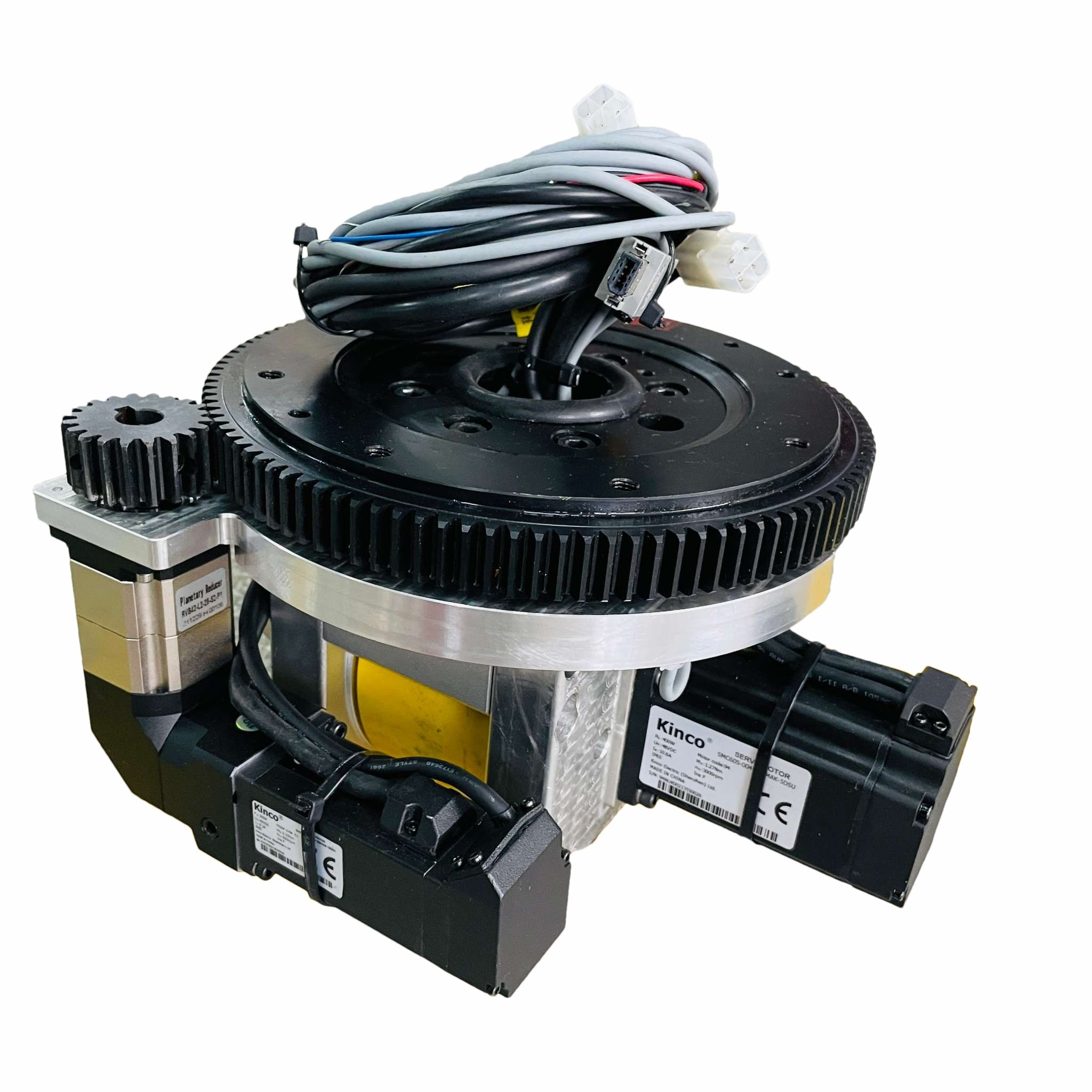
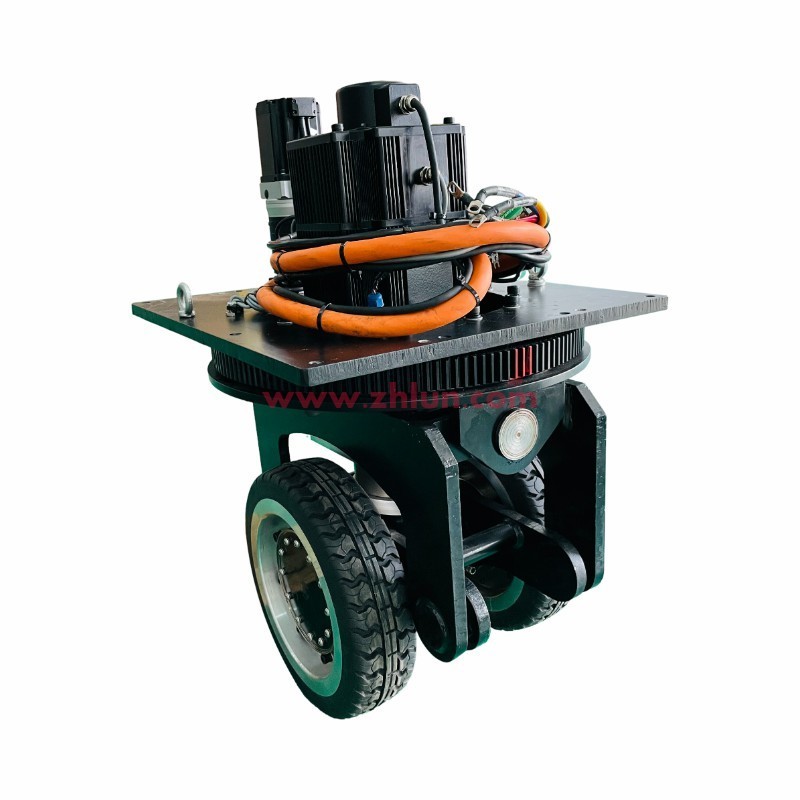
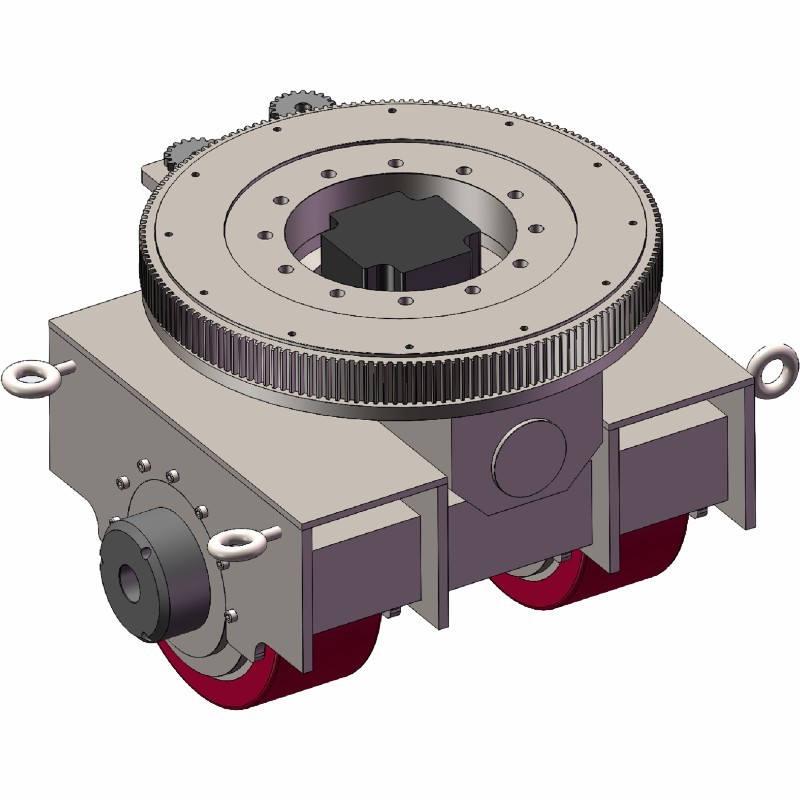
In the rapidly evolving field of industrial automation, the integration of motor drive wheels for Automated Guided Vehicles (AGVs) is a critical component that significantly impacts operational efficiency and performance. As part of the automotive and components industry, particularly in the drivetrain and differential assembly sectors, understanding the dynamics of motor drive wheels can lead to better design choices and improved functionality.
Motor drive wheels serve not only as the primary means of locomotion for AGVs but also play a vital role in energy efficiency, load capacity, and maneuverability. One key aspect to consider is the choice of motor type that drives these wheels. Electric motors are commonly utilized due to their reliability and efficiency, but the selection of the right motor also depends on the specific operational requirements of the AGV, including speed, torque, and duty cycle.
When designing or selecting motor drive wheels, it is essential to consider the material composition. The wheels must endure various environmental conditions, including temperature variations and surface types. Materials such as polyurethane are popular for their durability and traction, while rubber wheels can provide additional cushioning and grip, making them suitable for diverse applications.
Another important factor is the wheel size and diameter, which directly affects the AGV's speed and stability. Larger wheels can navigate through rough terrains more effectively, while smaller wheels may enhance maneuverability in tight spaces. Balancing wheel size with the intended application is crucial for achieving optimal performance.
Load distribution is another technical consideration when dealing with motor drive wheels. Proper weight distribution across the wheels ensures stability and prevents undue wear. For AGVs carrying heavy loads, specialized wheel designs that can handle greater weight without compromising performance should be explored.
Additionally, integrating advanced technologies such as sensors and smart controls can enhance the functionality of motor drive wheels. These innovations can provide real-time feedback on wheel performance, allowing for predictive maintenance and improved operational efficiency.
In summary, motor drive wheels are a fundamental element in the design and operation of industrial AGVs. By understanding the various technical aspects, including motor types, material selection, wheel dimensions, and load handling, professionals in the automotive and drivetrain sectors can make informed decisions that drive operational success. Focusing on these considerations not only enhances the performance of AGVs but also contributes to the overall advancement of automation in the industry.
Motor drive wheels serve not only as the primary means of locomotion for AGVs but also play a vital role in energy efficiency, load capacity, and maneuverability. One key aspect to consider is the choice of motor type that drives these wheels. Electric motors are commonly utilized due to their reliability and efficiency, but the selection of the right motor also depends on the specific operational requirements of the AGV, including speed, torque, and duty cycle.
When designing or selecting motor drive wheels, it is essential to consider the material composition. The wheels must endure various environmental conditions, including temperature variations and surface types. Materials such as polyurethane are popular for their durability and traction, while rubber wheels can provide additional cushioning and grip, making them suitable for diverse applications.
Another important factor is the wheel size and diameter, which directly affects the AGV's speed and stability. Larger wheels can navigate through rough terrains more effectively, while smaller wheels may enhance maneuverability in tight spaces. Balancing wheel size with the intended application is crucial for achieving optimal performance.
Load distribution is another technical consideration when dealing with motor drive wheels. Proper weight distribution across the wheels ensures stability and prevents undue wear. For AGVs carrying heavy loads, specialized wheel designs that can handle greater weight without compromising performance should be explored.
Additionally, integrating advanced technologies such as sensors and smart controls can enhance the functionality of motor drive wheels. These innovations can provide real-time feedback on wheel performance, allowing for predictive maintenance and improved operational efficiency.
In summary, motor drive wheels are a fundamental element in the design and operation of industrial AGVs. By understanding the various technical aspects, including motor types, material selection, wheel dimensions, and load handling, professionals in the automotive and drivetrain sectors can make informed decisions that drive operational success. Focusing on these considerations not only enhances the performance of AGVs but also contributes to the overall advancement of automation in the industry.
Related news
2026-06-26
Essential Insights on Motor Drive Wheels for Industrial AGV Robots
In the rapidly evolving field of industrial automation, the integration of motor drive wheels for Automated Guided Vehicles (AGVs) is a critical component that significantly impacts operational efficiency and performance. As part of the automotive and components industry, particularly in the drivetrain and differential assembly sectors, understanding the dynamics of motor drive wheels can lead to
2026-06-25
An In-Depth Look at Heavy Duty Robot Drive Wheels in Modern Vehicles
An In-Depth Look at Heavy Duty Robot Drive Wheels in Modern Vehicles
Heavy-duty robot drive wheels are increasingly becoming a cornerstone of modern vehicle design, particularly in the automotive and robotics industries. These wheels, engineered for durability and efficiency, are reshaping how vehicles operate, offering unprecedented performance and functionality. In this article, we will delve in
2026-06-24
Understanding Differential Motor Drive Wheels: Key Insights for Automotive Professionals
Differential motor drive wheels are integral components in automotive transmission systems, specifically designed to improve vehicle maneuverability and performance. They enable the vehicle's wheels to rotate at different speeds while maintaining traction, particularly during turns and corners. This capability is essential for enhancing driving stability and control, especially in challenging driv
Products

Guangzhou Wisdom Wheel Science Technology Ltd.
No. 1436, Guangcong 9th Road, Guangzhou, Guangdong, China
Whatsapp/MB: Kelly +86-18102686399
Jackson +8615012435018
Candy:+86 19396885135

CopyRight © 2024 Guangzhou Wisdom Wheel Science Technology Ltd.
Powered by www.300.cn SEO Tags En_CityProduct
License