News Categories
Exploring the Benefits and Features of Heavy Duty Robot Drive Wheels
Release time:
2026-05-15
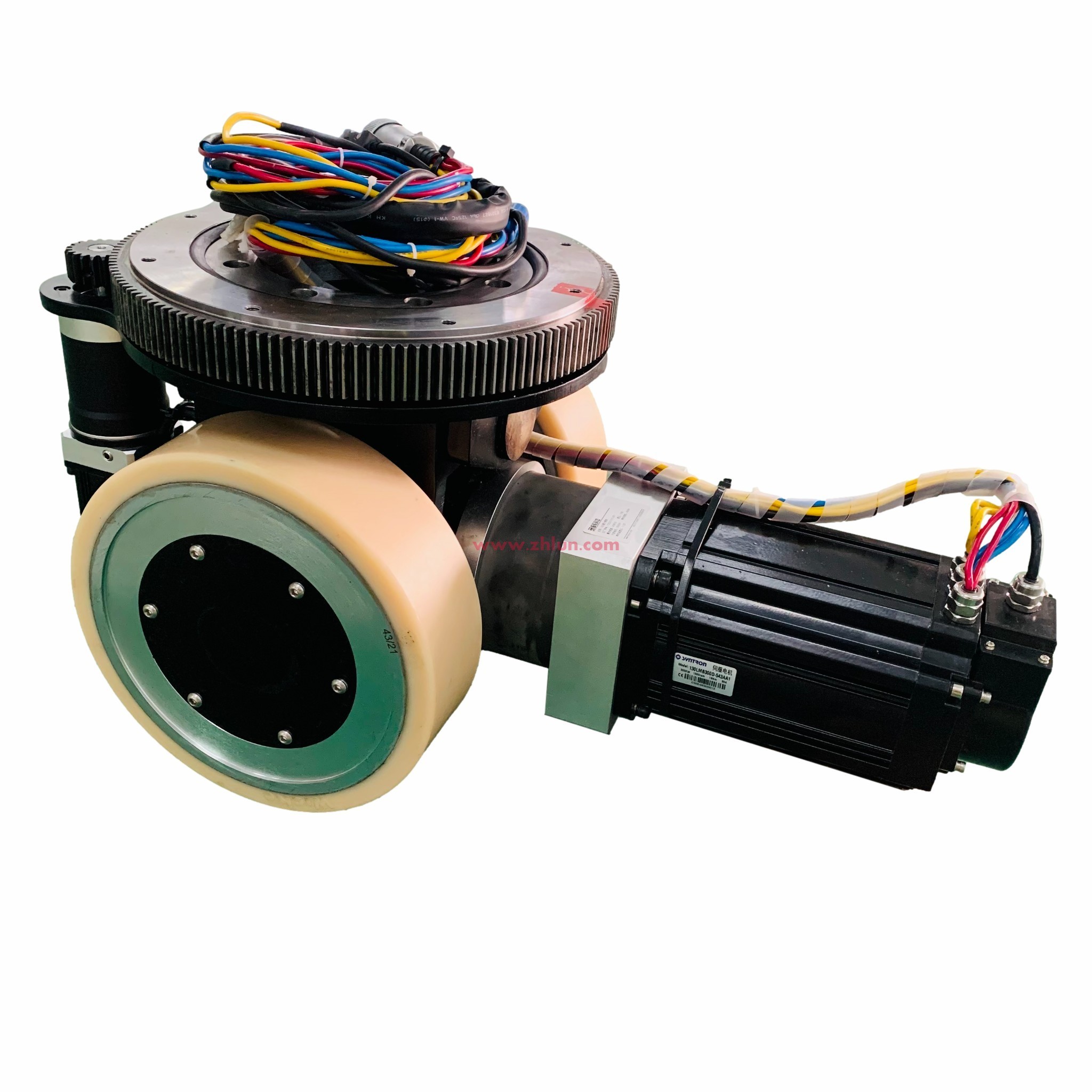
Heavy duty robot drive wheels play a crucial role in the realm of automotive and accessory systems, particularly within the transmission and differential components sector. These wheels are engineered to withstand substantial loads and harsh operational environments, making them ideal for both industrial and commercial applications. In this article, we’ll explore the key features, benefits, and considerations when selecting heavy duty drive wheels for robotic systems.
One of the primary characteristics of heavy duty robot drive wheels is their robust construction. Typically made from high-grade materials such as reinforced rubber, polyurethane, or metal composites, these wheels provide exceptional strength and wear resistance. This durability is essential when dealing with heavy loads, as it ensures that the wheels can maintain their integrity over extended periods of use without significant wear.
Moreover, heavy duty drive wheels often feature advanced tread designs that enhance traction and stability. This is particularly important in environments where robots must navigate various terrains or surfaces. The grip provided by specialized tread patterns helps to minimize slippage and enhance maneuverability, ensuring that robotic applications can operate efficiently, whether they're transporting goods or performing automated tasks.
Another significant advantage of heavy duty robot drive wheels is their adaptability. These wheels are engineered to work with a wide range of robotic systems, from automated guided vehicles (AGVs) to robotic arms and mobile platforms. This versatility allows for seamless integration into existing systems, making them a preferred choice for many developers and manufacturers.
In addition, the load capacity of heavy duty drive wheels is a critical factor to consider. Depending on the application, it is vital to select wheels that can handle the weight of the robot and any additional payloads it may carry. Manufacturers often provide specifications detailing load ratings, which can aid in making informed decisions regarding the right wheel for specific operational demands.
When selecting heavy duty robot drive wheels, it's also essential to consider their maintenance needs. While many of these wheels are designed for low maintenance, regular inspections can prolong their lifespan and ensure optimal performance. Checking for wear, proper inflation (if applicable), and securing fastenings can help prevent unexpected downtime and enhance reliability.
In summary, heavy duty robot drive wheels are an indispensable component in the automotive and accessory industries, particularly in transmission and differential systems. Their robust construction, adaptability, and enhanced traction make them ideal for various applications, ensuring that robotic systems can perform effectively and efficiently under demanding conditions. Understanding the features and advantages of these wheels can significantly influence the performance and longevity of robotic systems.
One of the primary characteristics of heavy duty robot drive wheels is their robust construction. Typically made from high-grade materials such as reinforced rubber, polyurethane, or metal composites, these wheels provide exceptional strength and wear resistance. This durability is essential when dealing with heavy loads, as it ensures that the wheels can maintain their integrity over extended periods of use without significant wear.
Moreover, heavy duty drive wheels often feature advanced tread designs that enhance traction and stability. This is particularly important in environments where robots must navigate various terrains or surfaces. The grip provided by specialized tread patterns helps to minimize slippage and enhance maneuverability, ensuring that robotic applications can operate efficiently, whether they're transporting goods or performing automated tasks.
Another significant advantage of heavy duty robot drive wheels is their adaptability. These wheels are engineered to work with a wide range of robotic systems, from automated guided vehicles (AGVs) to robotic arms and mobile platforms. This versatility allows for seamless integration into existing systems, making them a preferred choice for many developers and manufacturers.
In addition, the load capacity of heavy duty drive wheels is a critical factor to consider. Depending on the application, it is vital to select wheels that can handle the weight of the robot and any additional payloads it may carry. Manufacturers often provide specifications detailing load ratings, which can aid in making informed decisions regarding the right wheel for specific operational demands.
When selecting heavy duty robot drive wheels, it's also essential to consider their maintenance needs. While many of these wheels are designed for low maintenance, regular inspections can prolong their lifespan and ensure optimal performance. Checking for wear, proper inflation (if applicable), and securing fastenings can help prevent unexpected downtime and enhance reliability.
In summary, heavy duty robot drive wheels are an indispensable component in the automotive and accessory industries, particularly in transmission and differential systems. Their robust construction, adaptability, and enhanced traction make them ideal for various applications, ensuring that robotic systems can perform effectively and efficiently under demanding conditions. Understanding the features and advantages of these wheels can significantly influence the performance and longevity of robotic systems.
Related news
2026-05-15
Exploring the Benefits and Features of Heavy Duty Robot Drive Wheels
Heavy duty robot drive wheels play a crucial role in the realm of automotive and accessory systems, particularly within the transmission and differential components sector. These wheels are engineered to withstand substantial loads and harsh operational environments, making them ideal for both industrial and commercial applications. In this article, we’ll explore the key features, benefits, and co
2026-05-15
Understanding Electric Differential Drive Wheels: Innovations in Automotive Drive Systems
Electric differential drive wheels represent a significant advancement in automotive technology, particularly within the realm of drive systems and differential assemblies. These innovative components play a crucial role in the efficient distribution of power to the wheels, thereby enhancing vehicle maneuverability and stability.
At the heart of the electric differential drive wheel system is the
2026-05-14
Exploring the Benefits of Heavy Duty Robot Drive Wheels in Automotive Systems
The integration of heavy duty robot drive wheels in automotive applications has revolutionized how vehicles interact with their environments, particularly within the drivetrain systems and differential assemblies. These robust wheels are engineered for durability and high performance, making them ideal for a range of applications, from industrial automation to advanced robotic systems.
One of the
Products
CopyRight © 2024 Guangzhou Wisdom Wheel Science Technology Ltd.
Powered by www.300.cn SEO Tags En_CityProduct
License