News Categories
Understanding Motor Drive Wheels for Industrial AGV Robots: Key Insights for the Automotive and Components Industry
Release time:
2026-05-13
In the ever-evolving landscape of industrial automation, motor drive wheels are critical components for the functionality and efficiency of Automated Guided Vehicles (AGVs). These robots are increasingly being utilized in factories, warehouses, and distribution centers, streamlining operations and reducing manual labor. Understanding the nuances of motor drive wheels can provide valuable insights into optimizing your AGV systems, particularly within the automotive and components industry, including transmission systems and differential assemblies.
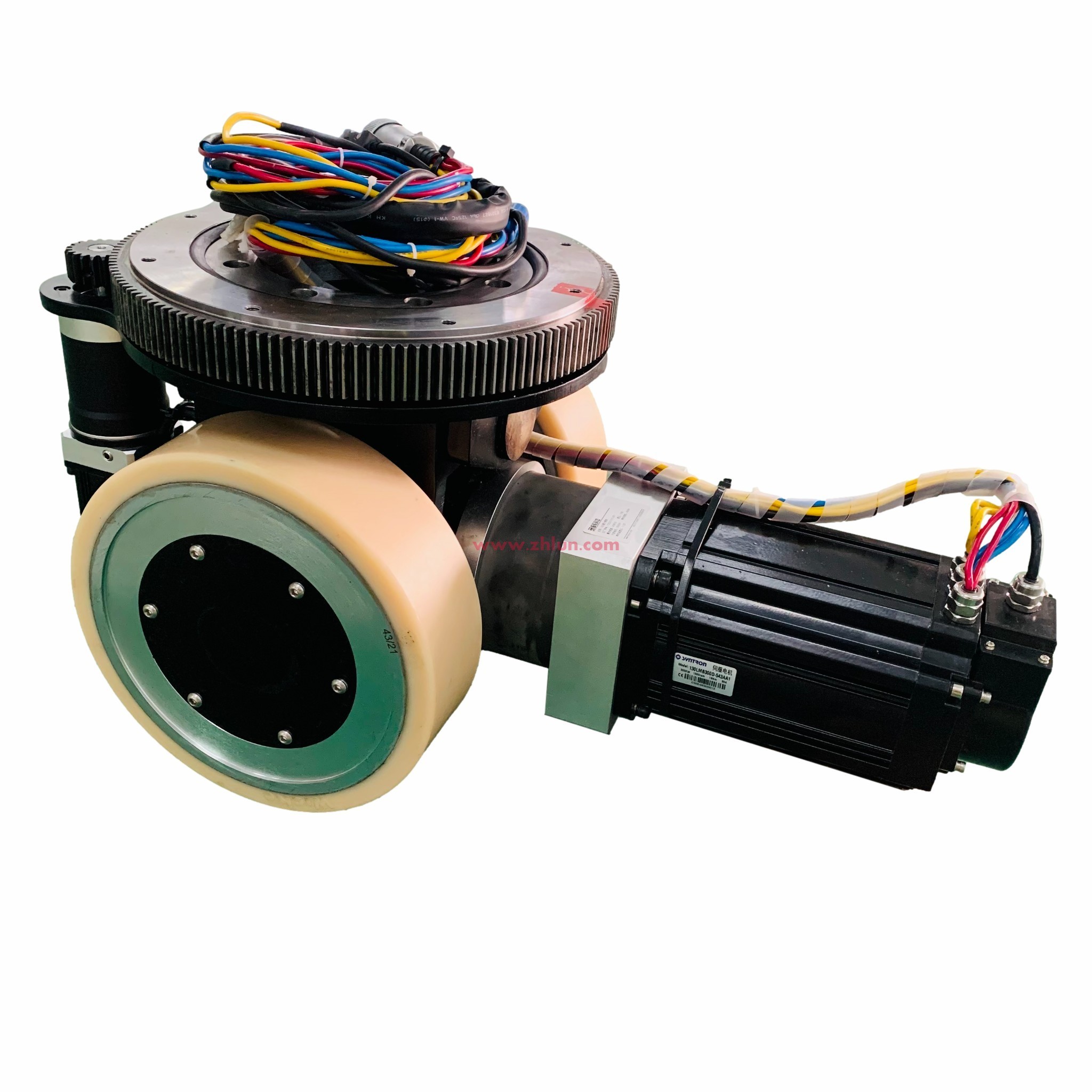
Motor drive wheels serve as the connection between the AGV and the surface it operates on. They are typically powered by electric motors, which provide the necessary torque and speed to enable the vehicle to navigate its environment. One of the primary benefits of using motor drive wheels is their ability to facilitate precise movements and positioning, which is essential for tasks like loading and unloading materials or navigating tight spaces.
When selecting motor drive wheels for AGV robots, several factors need to be considered. First, the wheel's material is crucial; options typically include polyurethane, rubber, or nylon, each offering different levels of durability, traction, and noise reduction. For instance, polyurethane wheels are known for their wear resistance and load-bearing capabilities, making them suitable for heavy-duty applications.
Another important aspect is the wheel's design. Some wheels feature a direct drive system, where the motor is integrated into the wheel hub, reducing the number of components and improving efficiency. Other designs might use a more traditional setup with a separate motor and transmission, allowing for greater flexibility in design but potentially leading to increased wear and energy loss.
Additionally, compatibility with the AGV’s control system is vital. The motor drive wheels must be able to interface seamlessly with the robot's software and sensors to ensure optimal performance. Advanced control strategies, such as closed-loop feedback, can enhance the precision of movement, making them essential for applications that require exact positioning.
Moreover, consideration of the operational environment is necessary. Factors such as surface type, load weight, and frequency of use will impact the optimal choice of motor drive wheels. For example, AGVs operating in smoother environments may benefit from wheels with lower rolling resistance, while those traversing uneven or rough surfaces might require more robust designs with better traction.
In summary, motor drive wheels are integral to the operational efficiency of industrial AGV robots. By understanding the different materials, designs, and operational considerations, businesses within the automotive and components industry can make informed decisions that enhance productivity and reduce costs. Investing in the right motor drive wheels not only improves AGV performance but also contributes to achieving broader operational goals in an increasingly automated world.
Motor drive wheels serve as the connection between the AGV and the surface it operates on. They are typically powered by electric motors, which provide the necessary torque and speed to enable the vehicle to navigate its environment. One of the primary benefits of using motor drive wheels is their ability to facilitate precise movements and positioning, which is essential for tasks like loading and unloading materials or navigating tight spaces.
When selecting motor drive wheels for AGV robots, several factors need to be considered. First, the wheel's material is crucial; options typically include polyurethane, rubber, or nylon, each offering different levels of durability, traction, and noise reduction. For instance, polyurethane wheels are known for their wear resistance and load-bearing capabilities, making them suitable for heavy-duty applications.
Another important aspect is the wheel's design. Some wheels feature a direct drive system, where the motor is integrated into the wheel hub, reducing the number of components and improving efficiency. Other designs might use a more traditional setup with a separate motor and transmission, allowing for greater flexibility in design but potentially leading to increased wear and energy loss.
Additionally, compatibility with the AGV’s control system is vital. The motor drive wheels must be able to interface seamlessly with the robot's software and sensors to ensure optimal performance. Advanced control strategies, such as closed-loop feedback, can enhance the precision of movement, making them essential for applications that require exact positioning.
Moreover, consideration of the operational environment is necessary. Factors such as surface type, load weight, and frequency of use will impact the optimal choice of motor drive wheels. For example, AGVs operating in smoother environments may benefit from wheels with lower rolling resistance, while those traversing uneven or rough surfaces might require more robust designs with better traction.
In summary, motor drive wheels are integral to the operational efficiency of industrial AGV robots. By understanding the different materials, designs, and operational considerations, businesses within the automotive and components industry can make informed decisions that enhance productivity and reduce costs. Investing in the right motor drive wheels not only improves AGV performance but also contributes to achieving broader operational goals in an increasingly automated world.
Related news
2026-05-14
Exploring the Benefits of Heavy Duty Robot Drive Wheels in Automotive Systems
The integration of heavy duty robot drive wheels in automotive applications has revolutionized how vehicles interact with their environments, particularly within the drivetrain systems and differential assemblies. These robust wheels are engineered for durability and high performance, making them ideal for a range of applications, from industrial automation to advanced robotic systems.
One of the
2026-05-14
---
Heavy-duty drive wheels are a crucial component in the automotive and motorcycle industry, especially within drive systems and differential assemblies. These wheels are designed to withstand higher stress and provide reliable performance under demanding conditions. When selecting heavy-duty drive wheels, it’s essential to understand their features, applications, and the benefits they offer.
On
2026-05-14
Why Your Vehicle Needs High-Quality Differential Motor Drive Wheels
Understanding the Differential System
The differential system is a vital component in both front-wheel and rear-wheel drive vehicles. It allows the wheels to rotate at different speeds, especially when turning. This functionality is essential for maintaining traction and ensuring a smooth ride. High-quality differential motor dr
Products
CopyRight © 2024 Guangzhou Wisdom Wheel Science Technology Ltd.
Powered by www.300.cn SEO Tags En_CityProduct
License