
News Categories
Unlocking the Advantages of Differential Motor Drive Wheels for Your Vehicle
Release time:
2026-04-12
Unlocking the Advantages of Differential Motor Drive Wheels for Your Vehicle
Table of Contents
- 1. What is a Differential Motor Drive?
- 2. Why Differential Systems are Crucial for Vehicle Performance
- 3. How Differential Systems Work: The Mechanics Explained
- 4. Advantages of Differential Motor Drive Wheels
- 5. Impact on Vehicle Handling and Stability
- 6. Maintenance Tips for Differential Systems
- 7. Common Issues with Differential Systems and Their Solutions
- 8. Conclusion
1. What is a Differential Motor Drive?
A **differential motor drive** is an essential component in modern vehicles, playing a crucial role in distributing power from the engine to the wheels. It allows for the necessary speed difference between the inner and outer wheels when the vehicle turns, ensuring smooth and efficient motion. This system is particularly significant in applications where traction and control are paramount, such as in all-wheel-drive (AWD) and four-wheel-drive (4WD) vehicles.
Differential systems can vary in complexity, from open differentials to more advanced types like limited-slip and locking differentials. Each type has its unique advantages suited for different driving conditions, making it vital for vehicle manufacturers to select the optimal system for their designs.
2. Why Differential Systems are Crucial for Vehicle Performance
Differential systems significantly enhance overall vehicle performance. By allowing for variations in wheel speed, these systems improve **drivability** and **handling**. In tight turns, the outer wheels travel a greater distance than the inner wheels. A differential enables this difference in speed without causing tire scrubbing, which can lead to increased wear and decreased fuel efficiency.
Moreover, differential systems contribute to **traction control**. By optimizing the power distribution to the wheels, they help maintain traction on slippery or uneven surfaces. This is particularly important in challenging driving conditions such as rain, snow, or off-road environments.
3. How Differential Systems Work: The Mechanics Explained
Understanding the mechanics of differential systems is crucial for appreciating their benefits. The differential consists of various components, including the **ring gear**, **pinion gear**, and **side gears**. When the vehicle accelerates, the drive shaft turns the pinion gear, which then rotates the ring gear. This rotation allows the side gears to turn independently of one another, enabling the wheels to move at different speeds.
In a traditional open differential, the power is evenly distributed between the two wheels. However, if one wheel loses traction, the other wheel will receive more power, which can result in wheel spin. This is where more advanced systems, such as limited-slip differentials, come into play. They provide greater control by transferring more torque to the wheel with more grip, enhancing vehicle stability.
4. Advantages of Differential Motor Drive Wheels
Differential motor drive wheels offer a range of benefits, including:
4.1 Enhanced Traction
With the ability to distribute power effectively, differential systems significantly improve **traction**. This is especially beneficial in adverse weather conditions, such as rain and snow, where maintaining grip is essential for safety.
4.2 Improved Handling
Properly functioning differential systems enhance **vehicle handling**. By allowing the wheels to rotate at different speeds, they improve cornering stability and reduce the risk of skidding, making for a smoother driving experience.
4.3 Increased Fuel Efficiency
A well-designed differential system optimizes the power transfer from the engine to the wheels. This can lead to better **fuel efficiency** as the vehicle operates more smoothly and requires less energy to overcome resistance.
4.4 Versatility Across Conditions
Differential motor drive systems are versatile, adapting to various driving conditions. Whether navigating city streets or tackling rough terrain, these systems ensure that your vehicle remains responsive and controlled.
4.5 Longevity of Tire Life
By reducing tire scrubbing during turns, differential systems can extend the life of your tires. This not only saves you money in the long run but also contributes to a safer driving experience.
5. Impact on Vehicle Handling and Stability
The impact of differential systems on vehicle handling and stability cannot be overstated. When driving, especially in dynamic conditions such as sharp turns or sudden stops, a vehicle equipped with a differential motor drive system will respond more predictably. This predictability allows drivers to maintain control, reducing the chances of accidents and enhancing overall confidence behind the wheel.
Moreover, differential systems are integral in performance vehicles. They help distribute power in a way that maximizes cornering speeds and minimizes understeer or oversteer. This is particularly important for sports cars and racing vehicles, where precision handling can make all the difference in performance.
6. Maintenance Tips for Differential Systems
To ensure the longevity and optimal performance of your differential motor drive wheels, regular maintenance is essential. Here are some key tips:
6.1 Regular Fluid Checks
Differential fluid lubricates the gears and helps dissipate heat. Regularly checking and replacing this fluid according to your vehicle manufacturer’s guidelines is crucial for maintaining the system's efficiency.
6.2 Inspect for Leaks
Routine inspections for leaks can prevent serious damage. Look for oil spots under your vehicle and pay attention to any unusual noises that may indicate a problem with the differential.
6.3 Listen for Unusual Sounds
Listen for any grinding, whining, or clunking noises while driving. These sounds can indicate issues with the differential and should be addressed immediately to avoid further damage.
6.4 Regular Professional Inspections
Having a professional mechanic inspect your differential system during regular service intervals can help catch potential issues early, ensuring your vehicle remains in optimal condition.
6.5 Replace Worn Components Promptly
If any components within the differential show signs of wear or damage, they should be replaced promptly to maintain performance and prevent further issues down the line.
7. Common Issues with Differential Systems and Their Solutions
Even with proper maintenance, differential systems can encounter various issues. Below are some common problems and how to address them:
7.1 Excessive Noise
If you hear excessive noise from the differential, it may indicate low fluid levels or worn gears. Check fluid levels and consider a professional inspection if the noise persists.
7.2 Difficulty Turning
Difficulty in turning can signal problems within the differential, such as binding gears. If you experience this issue, it's advisable to have your vehicle examined by a qualified technician.
7.3 Fluid Leaks
Fluid leaks can lead to significant problems if not addressed. Identifying and repairing the source of the leak is essential to prevent further damage.
7.4 Overheating
Differentials can overheat if the fluid is old or insufficient. Regular maintenance and fluid changes can prevent this issue.
7.5 Vibration During Acceleration
If you notice vibrations during acceleration, check for worn components or imbalanced tires. A thorough inspection will help identify the root cause and ensure a smooth ride.
8. Conclusion
In conclusion, differential motor drive wheels are integral to enhancing vehicle performance, safety, and efficiency. By understanding their mechanics and advantages, vehicle owners can appreciate their significance in daily driving. Regular maintenance is key to ensuring these systems operate smoothly, providing the optimal performance drivers expect. Understanding common issues and their solutions further aids vehicle owners in maintaining their differential systems for longevity and safety. Investing in a vehicle equipped with a quality differential motor drive system will undoubtedly enhance your driving experience, making it smoother, safer, and more enjoyable.
Related news

2026-04-12
Unlocking the Advantages of Differential Motor Drive Wheels for Your Vehicle
Unlocking the Advantages of Differential Motor Drive Wheels for Your Vehicle
Table of Contents
1. What is a Differential Motor Drive?
2. Why Differential Systems are Crucial for Vehicle Performance
3. How Differential Systems Work: The Mechanics Explained
4. Advantages of Differential Motor Drive Wheels
5. Impact on Vehicle Handling and Stability
6. Maintenance Tips for Di
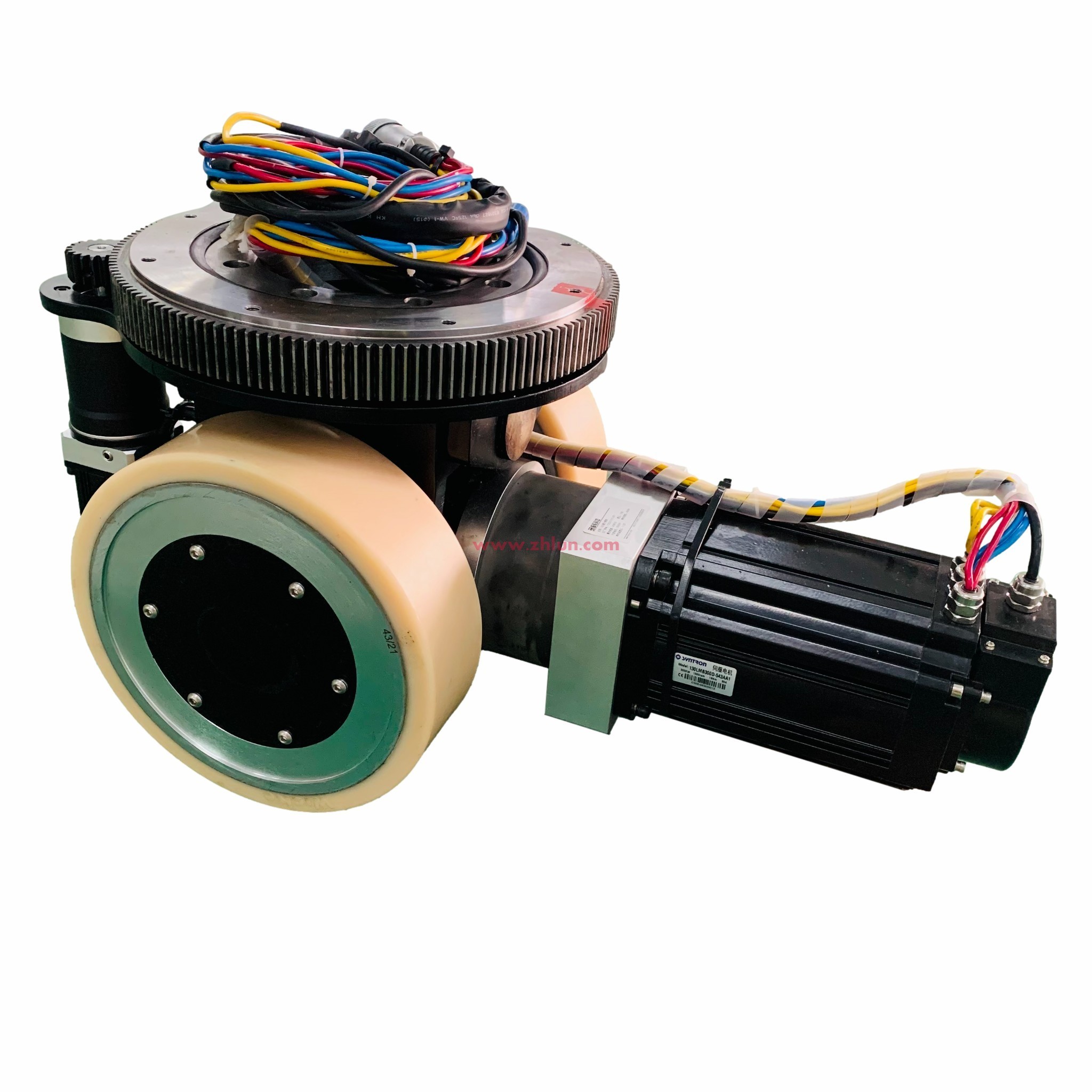
2026-04-11
Understanding Electric Differential Drive Wheels: Innovations in Automotive Drive Systems
Electric differential drive wheels represent a significant advancement in the automotive industry, particularly within the realm of transmission systems. Unlike traditional mechanical differential systems, electric differentials leverage electric motors to enhance the control and distribution of torque to the wheels. This innovation not only improves the driving experience but also offers a range

2026-04-10
How to Choose the Best Heavy-Duty Drive Wheel for Your Vehicle
How to Choose the Best Heavy-Duty Drive Wheel for Your Vehicle
When it comes to ensuring the performance and longevity of your vehicle, the selection of a heavy-duty drive wheel is crucial. The right choice can significantly enhance your vehicle's efficiency, handling, and overall performance. In this article, we will guide you through the essential aspects of choosing the best heavy-duty drive wh
Products

Guangzhou Wisdom Wheel Science Technology Ltd.
No. 1436, Guangcong 9th Road, Guangzhou, Guangdong, China
Whatsapp/MB: Kelly +86-18102686399
Jackson +8615012435018
Candy:+86 19396885135

CopyRight © 2024 Guangzhou Wisdom Wheel Science Technology Ltd.
Powered by www.300.cn SEO Tags En_CityProduct
License