
Unleashing the Power of Standard AGV Drive Wheels in Your Operations
Release time:
2024-10-23
Unleashing the Power of Standard AGV Drive Wheels in Your Operations
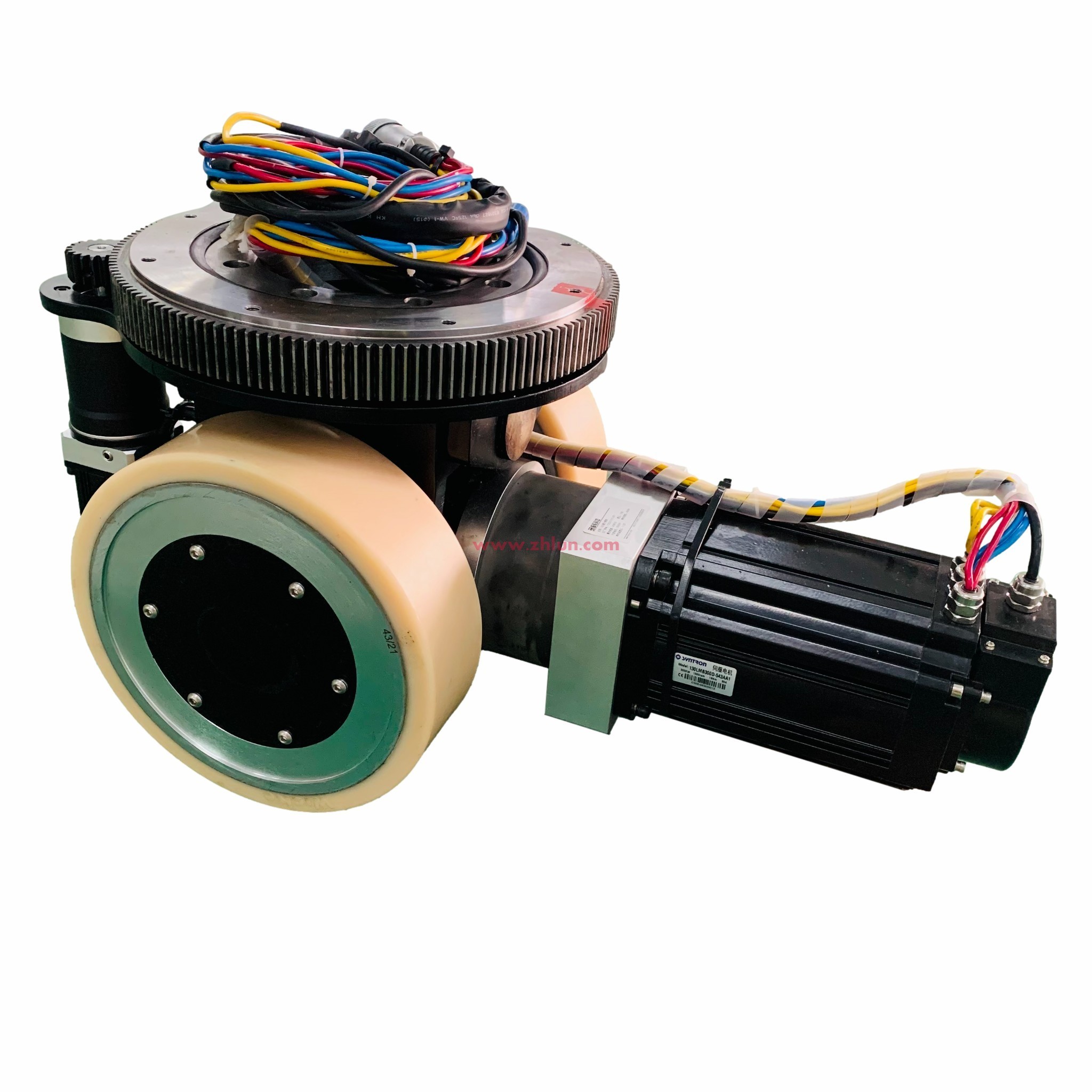
In the rapidly evolving world of logistics and manufacturing, the need for efficient, reliable, and innovative transportation solutions has never been greater. At the heart of these advancements are Automated Guided Vehicles (AGVs), which play a crucial role in streamlining operations. Among the essential components of AGVs, the drive wheels stand out as pivotal elements that significantly impact performance. In this article, we will explore the various aspects of Standard AGV Drive Wheels, their design, benefits, and the transformative role they can play in your operations.
Table of Contents
- Understanding AGV Drive Wheels
- Design Features of Standard AGV Drive Wheels
- Benefits of Using Standard AGV Drive Wheels
- Applications of AGV Drive Wheels in Various Industries
- Choosing the Right AGV Drive Wheels for Your Operations
- Maintenance of AGV Drive Wheels
- The Future of AGV Technology
- FAQs About AGV Drive Wheels
Understanding AGV Drive Wheels
Automated Guided Vehicles are mobile robots that autonomously navigate within a facility, transporting materials and products to designated locations. The drive wheels are the driving force behind these vehicles, allowing them to move efficiently across various surfaces. Understanding the mechanics and functionality of AGV drive wheels is essential for optimizing their performance and achieving operational efficiency.
Types of AGV Drive Wheels
There are several types of AGV drive wheels, each designed for specific applications and environments. The most common types include:
- Polyurethane Wheels: Known for their durability and low noise levels, these wheels are ideal for indoor use.
- Rubber Wheels: These wheels provide excellent traction and are suitable for both indoor and outdoor applications.
- Metal Wheels: Designed for heavy-duty use, metal wheels can withstand harsh conditions and are often used in industrial settings.
Design Features of Standard AGV Drive Wheels
Standard AGV drive wheels are engineered with several key features that enhance their functionality and performance:
Wheel Diameter and Width
The diameter and width of the wheels significantly influence the stability and load-bearing capacity of AGVs. Larger wheels can navigate uneven surfaces more effectively, while wider wheels distribute weight better, reducing wear and tear.
Material Composition
The materials used in manufacturing AGV drive wheels impact their durability, grip, and noise levels. Selecting the right material is crucial for ensuring optimal performance in specific environments.
Load Capacity
Each standard AGV drive wheel comes with a specified load capacity, which is a critical consideration when integrating AGVs into your operations. Ensure that the chosen wheels can handle the expected loads without compromising safety or efficiency.
Customizability
Many manufacturers offer customizable AGV drive wheels, allowing businesses to tailor specifications to their unique operational needs. This adaptability can lead to improved performance and efficiency.
Benefits of Using Standard AGV Drive Wheels
Implementing standard AGV drive wheels in your operations can offer numerous advantages:
Enhanced Operational Efficiency
AGVs equipped with high-quality drive wheels can operate continuously, reducing the need for manual labor and minimizing downtime. This efficiency translates into increased productivity and streamlined operations.
Improved Safety
Standard AGV drive wheels are designed with safety features that reduce the risk of accidents in the workplace. Automated systems can minimize human error, providing a safer environment for employees.
Cost-Effectiveness
While the initial investment in AGVs may be significant, the long-term savings in labor costs and improved operational efficiency often justify the expenditure. Standard AGV drive wheels contribute to this cost-effectiveness.
Applications of AGV Drive Wheels in Various Industries
Standard AGV drive wheels find applications across a variety of industries:
Manufacturing
In manufacturing environments, AGVs equipped with efficient drive wheels transport materials, components, and finished products between production lines, reducing bottlenecks and enhancing workflow.
Warehousing and Distribution
AGVs are ideal for warehousing and distribution centers, where they can move goods efficiently from receiving docks to storage areas and picking zones, optimizing inventory management.
Food and Beverage
The food and beverage industry requires stringent hygiene standards. AGVs with drive wheels made from easily cleanable materials can help maintain these standards while optimizing logistics.
Choosing the Right AGV Drive Wheels for Your Operations
Selecting the appropriate AGV drive wheels for your specific operational needs involves several key considerations:
Assessing Operational Environment
Understand the types of surfaces the AGVs will navigate, including potential obstacles, slopes, and load capacities. This assessment will guide the selection of suitable wheel materials and designs.
Understanding Load Requirements
Calculate the expected loads that the AGVs will carry to choose drive wheels with the appropriate load capacity. Overloading can lead to increased wear and potential equipment failure.
Evaluating Manufacturer Reputation
Choosing reputable manufacturers with a track record of quality and reliability is essential for ensuring the performance and longevity of your AGV drive wheels.
Maintenance of AGV Drive Wheels
Regular maintenance of AGV drive wheels is critical to ensure their optimal performance and longevity:
Routine Inspections
Establish a routine inspection schedule to identify signs of wear and tear. Early detection can prevent more significant issues down the line.
Cleaning and Lubrication
Keeping the wheels clean and properly lubricated will enhance their performance and reduce friction, ensuring smoother operation.
Replacement Guidelines
Understand the signs that indicate when to replace AGV drive wheels to maintain peak operational efficiency.
The Future of AGV Technology
The future of AGV technology, including drive wheels, is promising. Innovations in materials, smart technology integration, and enhanced automation will continue to evolve, providing more efficient, flexible, and intelligent transport solutions. As industries increasingly adopt AGVs, the importance of high-quality, reliable drive wheels will become even more pronounced.
FAQs About AGV Drive Wheels
1. What are AGV drive wheels made of?
AGV drive wheels can be made from various materials, including polyurethane, rubber, and metal, depending on the application and environment.
2. How often should AGV drive wheels be inspected?
Routine inspections should be conducted regularly, ideally monthly, to identify any wear, damage, or maintenance needs.
3. Can AGV drive wheels be customized?
Yes, many manufacturers offer customizable AGV drive wheels to meet specific operational requirements.
4. How do I determine the load capacity needed for AGV drive wheels?
Calculate the total weight of the materials to be transported and choose wheels that can safely handle that load.
5. What are the benefits of using automated guided vehicles?
AGVs enhance operational efficiency, improve safety, and reduce labor costs, leading to overall cost savings and increased productivity.
Conclusion
Incorporating standard AGV drive wheels into your operations can significantly boost efficiency and safety. By understanding their design, benefits, and applications, along with ensuring proper maintenance, businesses can harness the full potential of AGV technology. As we look to the future, the continued development of AGV solutions promises to reshape logistics and manufacturing landscapes, making it an exciting time to invest in automated transport solutions.
Related news

2026-06-19
The Role of Differential Motor Drive Wheels in Off-Road Driving: Enhancing Traction and Control
2026-06-18
Understanding Electric Differential Drive Wheels: A Key Component in Modern Automotive Systems

2026-06-17
Comparing Heavy-Duty Drive Wheels: Which One Suits Your Needs?
Products

Guangzhou Wisdom Wheel Science Technology Ltd.
No. 1436, Guangcong 9th Road, Guangzhou, Guangdong, China
Whatsapp/MB: Kelly +86-18102686399
Jackson +8615012435018
Candy:+86 19396885135

CopyRight © 2024 Guangzhou Wisdom Wheel Science Technology Ltd.
Powered by www.300.cn SEO Tags En_CityProduct