
Differential Drive Wheel: Advanced Motion Solution for Robots, AGVs and Automated Vehicles

Release time:

2026-07-08

Introduction

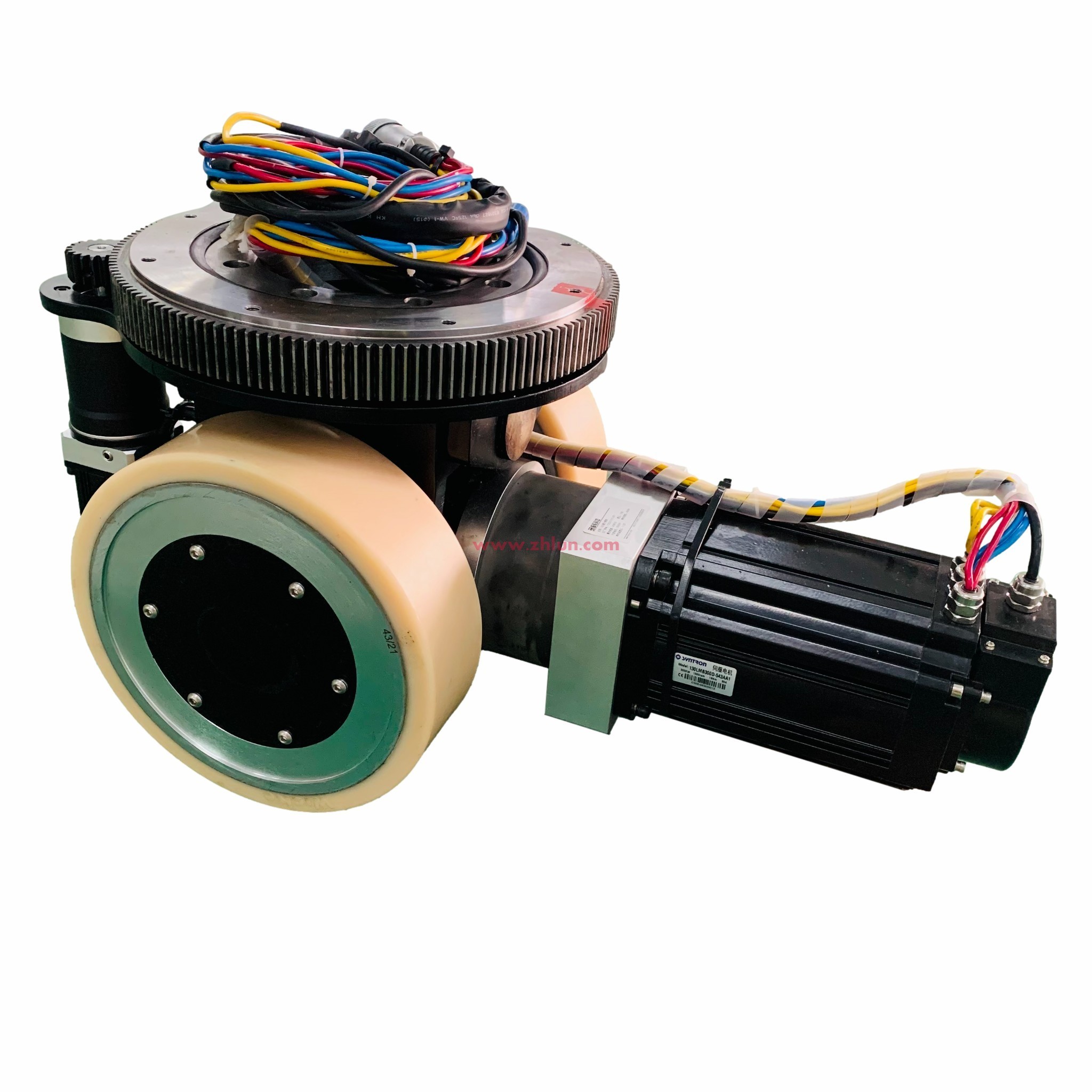
A Differential Drive Wheel is a high-performance mobility component designed to provide precise movement control, flexible steering, and stable operation for robotic platforms, automated guided vehicles (AGVs), mobile robots, and intelligent transportation systems. By using independently controlled left and right drive wheels, the differential drive mechanism allows vehicles to move forward, backward, rotate in place, and adjust direction smoothly without requiring additional steering systems.

With excellent maneuverability, compact structure, and efficient power transmission, differential drive wheels have become a popular choice for modern automation applications. They are widely used in industrial robots, warehouse logistics equipment, service robots, inspection robots, medical robots, and autonomous mobile platforms where accurate positioning and reliable movement are essential.

Advanced Differential Drive Technology

The differential drive wheel system works through independent control of two or more powered wheels. By adjusting the rotational speed and direction of each wheel, the vehicle can achieve various motion patterns, including straight movement, curved paths, and zero-radius rotation.

The main advantages of differential drive technology include:

  • Precise directional control
  • Flexible turning capability
  • Small turning radius
  • In-place rotation
  • Simple mechanical structure
  • Efficient energy utilization

Compared with traditional steering mechanisms, differential drive systems require fewer mechanical components, reducing maintenance requirements and improving overall reliability.

High Efficiency Drive Performance

Differential drive wheels integrate high-performance motors, precision gear systems, and durable wheel materials to deliver strong driving capability. The optimized transmission structure ensures efficient power conversion and stable torque output, allowing mobile platforms to operate smoothly under different loads.

Key performance features include:

  • High torque output
  • Low energy consumption
  • Smooth acceleration
  • Stable speed control
  • Reduced mechanical loss
  • Reliable continuous operation

The efficient drive design makes differential drive wheels suitable for applications requiring frequent movement, precise positioning, and long operating cycles.

Precision Motion Control

Accurate motion control is one of the most important features of differential drive wheels. By independently regulating each wheel motor, the system can achieve precise navigation and positioning.

Advanced control capabilities include:

  • Speed synchronization
  • Real-time motion adjustment
  • Encoder feedback control
  • Position tracking
  • Path correction
  • Autonomous navigation support

When combined with sensors, controllers, and navigation software, differential drive wheels enable intelligent robots to perform complex tasks with high accuracy.

Compact and Durable Design

Differential drive wheels are designed for space-limited robotic systems and industrial equipment. Their integrated structure combines the motor, gearbox, wheel, and control components into a compact unit, simplifying installation and reducing system size.

Durable design features include:

  • Strong metal housing
  • Wear-resistant wheels
  • High-strength drive components
  • Shock-resistant structure
  • Long service life
  • Reliable operation in demanding environments

The robust construction ensures stable performance even in industrial workplaces with frequent operation and heavy workloads.

Wheel Material and Traction Performance

The wheel material directly affects movement stability and load capacity. Differential drive wheels are available with different tire materials to meet various application requirements.

Common wheel materials include:

  • Rubber
  • Polyurethane
  • Nylon
  • High-strength polymer compounds

Different materials provide different advantages, such as improved grip, reduced noise, wear resistance, and compatibility with various floor surfaces.

High-quality wheel designs ensure:

  • Strong traction
  • Smooth movement
  • Reduced vibration
  • Low noise operation
  • Improved obstacle handling

Applications of Differential Drive Wheels

Industrial Automation

Differential drive wheels are widely used in industrial automation systems, enabling robots to transport materials, inspect equipment, and perform repetitive tasks efficiently.

Typical applications include:

  • Factory mobile robots
  • Production line transport systems
  • Automated material handling
  • Smart manufacturing equipment

Their precise movement capability improves production efficiency and reduces manual labor requirements.

Automated Guided Vehicles (AGVs)

AGVs rely on reliable mobility systems to transport goods in warehouses, factories, and logistics centers. Differential drive wheels provide excellent navigation flexibility and allow AGVs to operate in narrow spaces.

Applications include:

  • Warehouse transportation
  • Inventory movement
  • Manufacturing logistics
  • Smart warehouse systems

The compact design and accurate control make them ideal for modern automated logistics solutions.

Mobile Robots

Mobile robots require flexible movement and accurate navigation. Differential drive wheels provide the mobility needed for service robots, inspection robots, and autonomous platforms.

Common robot applications include:

  • Security robots
  • Cleaning robots
  • Delivery robots
  • Educational robots
  • Research platforms

Medical and Service Robots

In healthcare facilities and public environments, robots need quiet operation and precise movement. Differential drive wheels support smooth navigation while maintaining low noise levels.

Applications include:

  • Hospital delivery robots
  • Assistance robots
  • Indoor service robots
  • Smart reception systems

Intelligent Control Compatibility

Modern differential drive wheels are designed to work with advanced control systems and robotic platforms. They can be integrated with microcontrollers, PLC systems, embedded controllers, and robotic operating systems.

Supported control features may include:

  • PWM motor control
  • CAN communication
  • Serial communication
  • Encoder feedback
  • Remote monitoring
  • Autonomous navigation integration

This compatibility allows engineers to develop customized robotic solutions for different industries.

Advantages of Differential Drive Wheels

Flexible Movement

Independent wheel control allows robots to move freely in different directions and perform precise turning operations.

Simple Mechanical Structure

The reduced number of mechanical parts improves reliability and decreases maintenance requirements.

High Maneuverability

Small turning radius and rotation capability make differential drive systems suitable for compact operating environments.

Cost-Effective Solution

Compared with complex steering systems, differential drive wheels provide efficient performance with lower mechanical complexity.

Easy Integration

The modular design allows quick installation and integration into different robotic platforms.

Customization Options

Different robotic applications require different mobility specifications. Manufacturers can provide customized differential drive wheel solutions based on customer requirements.

Customization options may include:

  • Wheel diameter
  • Load capacity
  • Motor power
  • Gear ratio
  • Encoder configuration
  • Communication interface
  • Mounting structure
  • Wheel material

OEM and ODM services are available to support customized robotic projects and industrial automation solutions.

Quality Assurance

High-quality differential drive wheels undergo strict testing procedures to ensure reliable performance and long operational life.

Quality testing may include:

  • Motor performance testing
  • Load testing
  • Speed accuracy testing
  • Noise testing
  • Durability testing
  • Mechanical strength inspection

Advanced manufacturing processes ensure consistent product quality and stable operation in professional applications.

Future Development Trends

With the rapid development of robotics, artificial intelligence, and smart manufacturing, the demand for advanced mobility solutions continues to grow. Differential drive wheels are expected to play an increasingly important role in autonomous systems, intelligent factories, and service robotics.

Future developments may focus on:

  • Higher energy efficiency
  • Smarter control systems
  • Improved navigation accuracy
  • More compact designs
  • Enhanced durability
  • Better integration with AI technologies

Conclusion

The Differential Drive Wheel is a reliable and efficient mobility solution designed for modern robotic and automated systems. With precise motion control, flexible steering, compact structure, and durable performance, it provides excellent support for AGVs, mobile robots, industrial automation equipment, and intelligent transportation platforms.

By combining advanced drive technology, high-quality materials, and intelligent control compatibility, differential drive wheels help improve automation efficiency, operational reliability, and navigation accuracy. They are an ideal choice for industries seeking dependable and flexible movement solutions for next-generation robotic applications.


Related news

2026-07-08

Differential Drive Wheel: Advanced Motion Solution for Robots, AGVs and Automated Vehicles

Differential drive wheel offers precise motion control, smooth steering, and reliable performance for robots, AGVs, and automated vehicles
2026-07-08

Understanding Electric Differential Drive Wheels: A Comprehensive Guide

Electric differential drive wheels are becoming increasingly prominent in the automotive and motorcycle sectors, particularly in the realm of transmission systems and differential assemblies. Understanding their mechanics and benefits is crucial for professionals in the field. These wheels are designed to optimize vehicle performance by allowing for better traction, improved steering control, and

2026-07-07

Heavy-Duty Drive Wheels: An Investment in Performance and Safety

Heavy-Duty Drive Wheels: An Investment in Performance and Safety Table of Contents Understanding Heavy-Duty Drive Wheels The Importance of Heavy-Duty Drive Wheels in Commercial Vehicles Design Features of Heavy-Duty Drive Wheels Material Selection and Its Impact on Performance Maintenance Tips for Heavy-Duty Drive Wheels Cost-Benefit Analysis of Heavy-Duty Drive Wheels Safety Consid

Wisdom Wheel

Guangzhou Wisdom Wheel Science Technology Ltd.

No. 1436, Guangcong 9th Road, Guangzhou, Guangdong, China

Whatsapp/MB: Kelly +86-18102686399

Jackson +8615012435018

Candy:+86 19396885135

CopyRight © 2024 Guangzhou Wisdom Wheel Science Technology Ltd.

License