
News Categories
Heavy Duty Robot Drive Wheels vs. Standard Wheels: What’s the Difference?
Release time:
2026-10-03
Heavy Duty Robot Drive Wheels vs. Standard Wheels: What’s the Difference?
In the realm of robotics, the choice of wheels plays a pivotal role in the performance and efficiency of robotic systems. Whether you’re designing a robust industrial robot or a lightweight consumer-grade model, understanding the differences between **heavy-duty robot drive wheels** and **standard wheels** is essential. This article aims to provide an extensive overview, highlighting the characteristics, benefits, and considerations for both types.
Table of Contents
- 1. Introduction
- 2. Understanding Wheel Types
- 3. Heavy Duty Robot Drive Wheels
- 4. Standard Wheels
- 5. Comparing Performance
- 6. Material Composition
- 7. Application Suitability
- 8. Cost Considerations
- 9. Frequently Asked Questions
- 10. Conclusion
1. Introduction
Robotic applications are diverse, ranging from industrial automation and logistics to household tasks. With such varying requirements comes the need for appropriate wheel systems. This article delves into the intricacies of **heavy-duty robot drive wheels** compared to **standard wheels**, providing a thorough understanding of their differences and which may be more suitable for specific applications.
2. Understanding Wheel Types
Wheels are more than simple circular objects; they are complex components crucial for the movement and functionality of robots. When it comes to wheels for robots, they can be broadly categorized into two types: **heavy-duty** and **standard** wheels. Understanding the unique features of each type aids in making an informed choice for your robotic project.
What Are Heavy Duty Robot Drive Wheels?
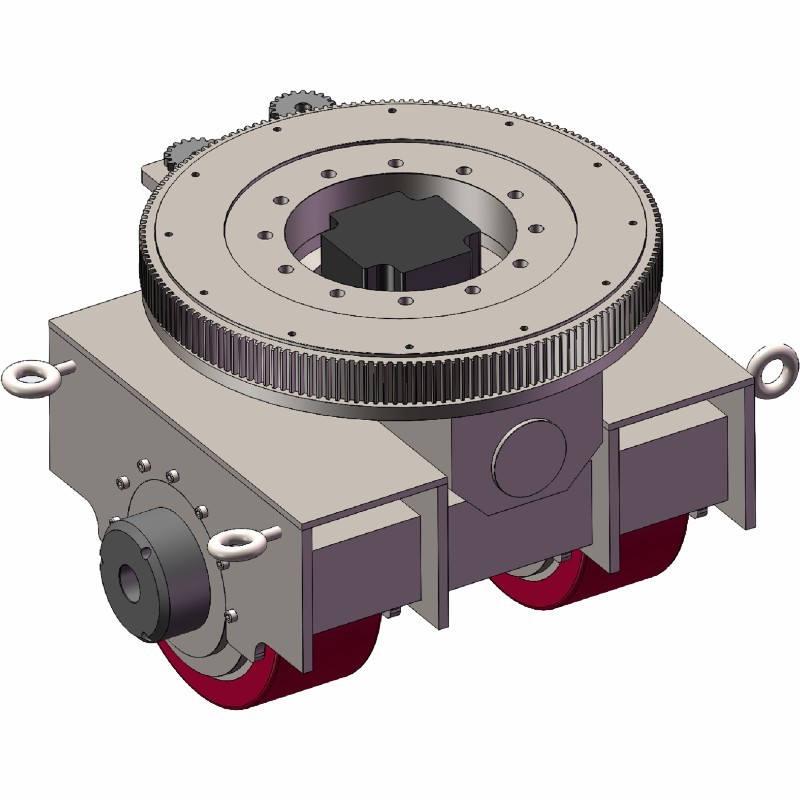
Heavy-duty robot drive wheels are engineered for high-load applications. Typically made from durable materials, these wheels are designed to withstand substantial wear and tear while maintaining exceptional performance. They often include features like enhanced traction, shock absorption, and reinforced structures to handle heavy payloads.
What Are Standard Wheels?
Standard wheels, on the other hand, are generally less robust than their heavy-duty counterparts. These wheels are suitable for light to moderate loads and are often used in consumer robots and applications that do not require the additional strength and durability provided by heavy-duty wheels. They are designed for efficiency and cost-effectiveness, making them a popular choice for many applications.
3. Heavy Duty Robot Drive Wheels
Heavy-duty robot drive wheels are the backbone of many industrial robots, providing the necessary support for heavy loads and demanding environments. Let’s explore their features in detail.
Design and Construction
The design of heavy-duty wheels often incorporates materials like reinforced rubber, polyurethane, or metal composites. These materials not only provide strength but also enhance the wheels' ability to grip various surfaces, ensuring stability and safety during operation.
Advantages of Heavy Duty Wheels
1. **Increased Load Capacity**: These wheels can support significantly heavier loads, making them ideal for industrial applications.
2. **Enhanced Durability**: Built to withstand harsh conditions, heavy-duty wheels typically have a longer lifespan than standard wheels.
3. **Improved Traction**: Designed for various terrains, they offer superior grip, reducing the risk of slippage.
Applications of Heavy Duty Wheels
Heavy-duty robot drive wheels are found in various applications, including:
- Warehouse automation
- Manufacturing robots
- Agricultural machinery
- Construction robots
4. Standard Wheels
Standard wheels are optimized for efficiency and are widely used in lighter robotic systems. Here’s a closer look at their characteristics.
Design and Construction
Standard wheels are usually made from materials like plastic or lightweight rubber. While not as durable as heavy-duty wheels, they are designed for optimal performance in less demanding environments.
Advantages of Standard Wheels
1. **Cost-Effective**: Standard wheels are generally less expensive, making them accessible for budget-conscious projects.
2. **Lightweight Design**: Their lighter weight contributes to overall energy efficiency in lighter robotic systems.
3. **Versatile Use**: Suitable for various consumer-grade applications, including home automation and light-duty tasks.
Applications of Standard Wheels
Standard wheels can be commonly found in:
- Household robots (vacuum cleaners, lawn mowers)
- Drones and hobbyist robots
- Educational robotics kits
5. Comparing Performance
When evaluating heavy-duty robot drive wheels versus standard wheels, performance metrics play a crucial role. Below are some key factors to consider.
Load Capacity
Heavy-duty wheels excel in load capacity, allowing them to bear significant weight without compromising performance. Standard wheels, however, may struggle under heavy loads, leading to potential failures or inefficiencies.
Durability and Lifespan
In terms of durability, heavy-duty wheels outperform their standard counterparts. They are designed to endure rigorous conditions, leading to a longer lifespan, whereas standard wheels may require more frequent replacements.
Traction and Stability
Heavy-duty wheels typically provide enhanced traction, particularly on uneven surfaces, which is essential in industrial settings. Standard wheels may not perform as well in challenging environments, which can be a limiting factor in their application.
Speed and Agility
While heavy-duty wheels focus on strength, standard wheels often allow for greater speed and agility in lighter applications. This makes them suitable for environments where quick movements are essential.
6. Material Composition
The material composition of wheels significantly affects their performance, durability, and suitability for different applications.
Materials Used in Heavy Duty Wheels
Heavy-duty wheels are primarily composed of:
- **Reinforced Rubber**: Offers excellent shock absorption and wear resistance.
- **Polyurethane**: Provides a balance between hardness and resilience, ideal for industrial applications.
- **Metal Composites**: Often used for added strength in extreme environments.
Materials Used in Standard Wheels
Standard wheels generally utilize:
- **Plastic**: Lightweight and inexpensive, suitable for non-load-bearing applications.
- **Soft Rubber**: Offers some grip but may wear out faster than harder materials.
7. Application Suitability
Choosing between heavy-duty and standard wheels largely depends on the intended application of the robot.
When to Use Heavy Duty Wheels
Opt for heavy-duty wheels in scenarios involving:
- High load-bearing requirements
- Rugged terrain
- Industrial automation tasks
When to Use Standard Wheels
Standard wheels are a better fit for:
- Low weight applications
- Budget-conscious projects
- Indoor environments with smooth surfaces
8. Cost Considerations
Cost is a critical factor in selecting the appropriate wheel type. Heavy-duty wheels typically come with a higher price tag due to their advanced materials and construction. However, considering the long-term investment, they may offer better value through reduced maintenance and longer lifespan.
Standard wheels are less expensive upfront, making them an attractive option for lighter, cost-sensitive applications. Ultimately, the choice should align with the specific needs of your robotic project and budget constraints.
9. Frequently Asked Questions
Q1: Can heavy-duty wheels be used in lighter applications?
A1: Yes, heavy-duty wheels can be used in lighter applications, but they may lead to unnecessary weight and cost.
Q2: How do I determine the right wheel type for my robot?
A2: Assess your robot's load requirements, operating environment, and budget to choose the appropriate wheel type.
Q3: Are there any maintenance requirements for heavy-duty wheels?
A3: While heavy-duty wheels are designed for durability, regular inspections for wear and tear are still recommended to ensure optimal performance.
Q4: Can standard wheels handle rough terrains?
A4: Standard wheels may struggle on rough terrains and are best suited for smooth, even surfaces.
Q5: Is it worth investing in heavy-duty wheels for a small robotic project?
A5: For small projects with minimal load requirements, standard wheels are typically sufficient. Heavy-duty wheels are more beneficial in high-load or industrial environments.
10. Conclusion
Understanding the differences between **heavy-duty robot drive wheels** and **standard wheels** is crucial for selecting the right components for your robotic applications. Heavy-duty wheels excel in strength, durability, and load capacity, making them ideal for industrial uses. In contrast, standard wheels offer a cost-effective, lightweight solution for consumer-grade robotics. By recognizing these distinctions, we can make informed decisions that enhance the performance and efficiency of our robotic systems. Whether you're diving into industrial automation or creating a home assistant, choosing the right wheels is paramount to success.
Related news

2026-10-03
Heavy Duty Robot Drive Wheels vs. Standard Wheels: What’s the Difference?
Heavy Duty Robot Drive Wheels vs. Standard Wheels: What’s the Difference?
In the realm of robotics, the choice of wheels plays a pivotal role in the performance and efficiency of robotic systems. Whether you’re designing a robust industrial robot or a lightweight consumer-grade model, understanding the differences between **heavy-duty robot drive wheels** and **standard wheels** is essential. This
2026-10-02
Understanding Differential Motor Drive Wheels: Enhancing Vehicle Performance
Differential motor drive wheels play a crucial role in the overall performance and efficiency of vehicles, particularly in the context of their transmission systems. At its core, a differential allows for the independent rotation of wheels on the same axle, which is especially important when a vehicle navigates turns. The outer wheel travels a longer distance compared to the inner wheel, and the d

2026-10-01
Key Features of Electric Differential Drive Wheels That Make a Difference
Key Features of Electric Differential Drive Wheels That Make a Difference
Introduction to Electric Differential Drive Wheels
Electric differential drive wheels are revolutionizing the automotive industry, offering innovative solutions that enhance vehicle performance, efficiency, and driving experience. As the demand for electric vehicles (EVs) grows, understanding the key features that set these
Products

Guangzhou Wisdom Wheel Science Technology Ltd.
No. 1436, Guangcong 9th Road, Guangzhou, Guangdong, China
Whatsapp/MB: Kelly +86-18102686399
Jackson +8615012435018
Candy:+86 19396885135

CopyRight © 2024 Guangzhou Wisdom Wheel Science Technology Ltd.
Powered by www.300.cn SEO Tags En_CityProduct
License