
News Categories
How Differential Motor Drive Wheels Improve Fuel Efficiency
Release time:
2026-08-18
How Differential Motor Drive Wheels Improve Fuel Efficiency
Table of Contents
- 1. Introduction to Differential Motor Drive Wheels
- 2. Understanding Fuel Efficiency in Modern Vehicles
- 3. The Role of Differentials in Automotive Engineering
- 4. Mechanics of Differential Motor Drive Wheels
- 5. Benefits of Differential Motor Drive Wheels
- 5.1 Enhanced Performance and Handling
- 5.2 Smoother Ride Quality
- 5.3 Reduced Wear and Tear on Components
- 6. Fuel Efficiency in Practice
- 7. Technological Advancements in Differential Systems
- 8. The Future of Fuel Efficiency in Automotive Design
- 9. Conclusion
- 10. Frequently Asked Questions (FAQs)
1. Introduction to Differential Motor Drive Wheels
In the ever-evolving landscape of automotive engineering, fuel efficiency remains a primary concern for manufacturers and consumers alike. Among the innovative solutions that have emerged is the **differential motor drive wheel** system. This technology not only enhances vehicle performance but also plays a crucial role in **reducing fuel consumption**. Understanding how these systems work can provide significant insights into their potential benefits for both drivers and the environment.
2. Understanding Fuel Efficiency in Modern Vehicles
Fuel efficiency is defined as the distance a vehicle can travel per unit of fuel consumed. Measured in miles per gallon (MPG) or liters per 100 kilometers (L/100 km), it is influenced by several factors, including engine design, weight, wheel alignment, and drivetrain components. As fuel costs rise and environmental regulations tighten, the automotive industry has turned to innovative solutions to enhance fuel efficiency without compromising performance.
3. The Role of Differentials in Automotive Engineering
Differentials play a vital role in the functioning of vehicle drivetrains. They allow for the distribution of engine torque to the wheels while enabling them to rotate at different speeds during turns. This functionality is essential for maintaining traction and stability. Traditional differentials, however, can lead to energy losses, impacting fuel efficiency. The introduction of **differential motor drive wheels** addresses these inefficiencies, providing a more responsive and efficient driving experience.
4. Mechanics of Differential Motor Drive Wheels
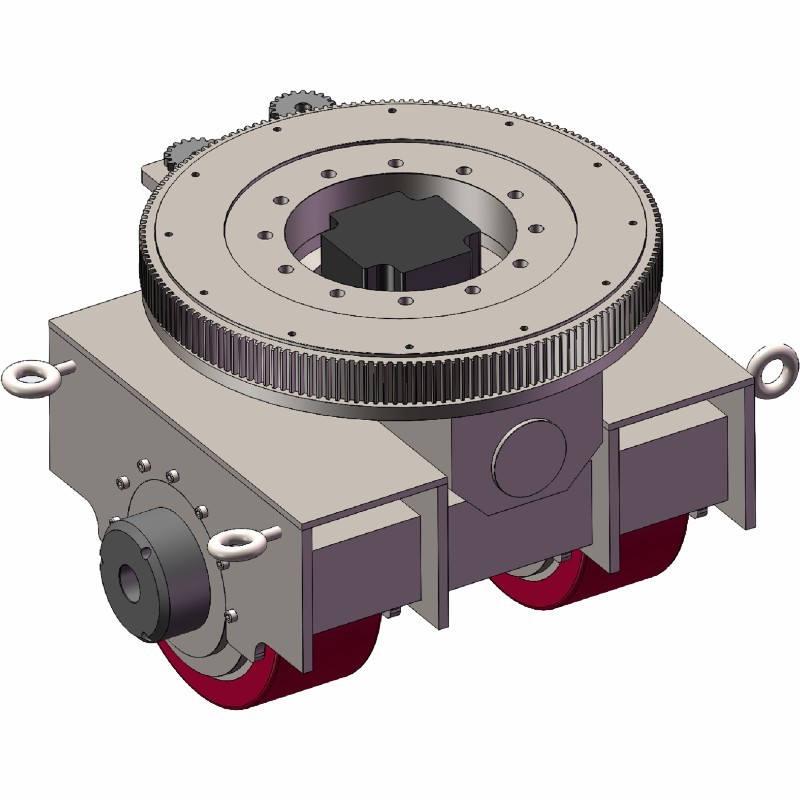
Differential motor drive wheels utilize an advanced gearbox system that optimally distributes torque. Unlike conventional systems, these wheels integrate electric motors directly within the wheel hub, allowing for precise control of each wheel's speed and power. This configuration not only enhances responsiveness but also reduces the overall weight of the vehicle, further contributing to improved fuel efficiency.
The main components of differential motor drive systems include:
- **Electric Motors:** Positioned in the wheel hubs, these motors provide direct power to the wheels, minimizing energy losses typically associated with traditional drivetrains.
- **Electronic Control Units (ECUs):** These units monitor various driving parameters, adjusting motor output to optimize performance in real-time.
- **Sensors:** By collecting data on wheel speed, steering angle, and road conditions, sensors enable the system to make informed adjustments, ensuring a smooth and efficient ride.
5. Benefits of Differential Motor Drive Wheels
The adoption of differential motor drive wheels offers numerous benefits, making them an attractive option for modern vehicles.
5.1 Enhanced Performance and Handling
Differential motor drive wheels provide improved acceleration and responsiveness. By distributing torque precisely to each wheel, these systems enhance traction during acceleration and cornering. This leads to a more dynamic driving experience, allowing drivers to navigate various terrains with ease.
5.2 Smoother Ride Quality
The ability to control each wheel independently results in a smoother ride. Differential motor drive wheels can compensate for uneven road surfaces, reducing the impact of potholes and bumps. This technology not only enhances comfort for passengers but also contributes to the overall longevity of vehicle components by minimizing stress and wear.
5.3 Reduced Wear and Tear on Components
By minimizing the friction and strain on traditional drivetrain components, differential motor drive wheels help to extend the lifespan of critical vehicle parts. This translates to lower maintenance costs and improved reliability, which are crucial factors for vehicle owners.
6. Fuel Efficiency in Practice
Implementing differential motor drive wheels can lead to significant improvements in fuel efficiency. Studies have shown that vehicles equipped with this technology can achieve up to a **15-20% increase in MPG** compared to traditional drivetrains. This enhancement is particularly evident in urban driving conditions where frequent stopping and starting are common.
One of the key reasons for this improvement is the reduced weight associated with electric motors. By eliminating the need for bulky mechanical components typically found in traditional systems, automotive designers can create lighter vehicles that require less energy to operate.
7. Technological Advancements in Differential Systems
As technology continues to evolve, so does the capability of differential motor drive systems. Innovations such as regenerative braking, which captures energy during deceleration, further enhance fuel efficiency. This energy can be redirected to power the electric motors, creating a self-sustaining system that reduces the need for external fuel sources.
Additionally, advancements in materials and manufacturing processes have led to the development of more efficient and durable components within these systems, ensuring they can withstand the rigors of everyday driving while maintaining optimal performance.
8. The Future of Fuel Efficiency in Automotive Design
The future of fuel efficiency is closely tied to the ongoing development of differential motor drive wheel technology. As automakers strive to meet stringent emissions regulations and consumer demands for more sustainable vehicles, the integration of advanced differential systems will likely become the norm rather than the exception.
Moreover, the push towards electric vehicles (EVs) and hybrid technologies amplifies the importance of efficient drivetrains. Differential motor drive wheels, with their electric integration and enhanced performance, stand at the forefront of this evolution, promising to redefine how we perceive fuel efficiency in the automotive sector.
9. Conclusion
Differential motor drive wheels represent a significant advancement in automotive technology, offering enhanced fuel efficiency, improved performance, and a more comfortable driving experience. As the industry moves towards more sustainable and efficient vehicles, understanding and embracing these innovations will be crucial for both manufacturers and consumers. By leveraging the advantages of differential motor drive wheels, we can pave the way for a greener, more efficient future in automotive design.
10. Frequently Asked Questions (FAQs)
1. What are differential motor drive wheels?
Differential motor drive wheels are advanced wheel systems that integrate electric motors directly within the wheel hub, optimizing torque distribution and improving overall vehicle performance and fuel efficiency.
2. How do differential motor drive wheels improve fuel efficiency?
They enhance fuel efficiency by reducing energy losses, lightening the vehicle's weight, and providing precise control over each wheel's power and speed, leading to more efficient operation.
3. What are the main benefits of using differential motor drive wheels?
The primary benefits include improved performance and handling, smoother ride quality, and reduced wear and tear on vehicle components, all of which contribute to better fuel efficiency.
4. Can differential motor drive wheels be used in all types of vehicles?
While they are commonly found in electric and hybrid vehicles, differential motor drive wheels can be adapted for use in various vehicle types, including conventional gasoline-powered cars, enhancing their efficiency and performance.
5. What is the future of differential motor drive wheel technology?
The future looks promising as advancements in technology continue to improve the efficiency, durability, and integration of these systems into the broader automotive landscape, particularly with the rise of electric and hybrid vehicles.
Related news

2026-10-03
Heavy Duty Robot Drive Wheels vs. Standard Wheels: What’s the Difference?
Heavy Duty Robot Drive Wheels vs. Standard Wheels: What’s the Difference?
In the realm of robotics, the choice of wheels plays a pivotal role in the performance and efficiency of robotic systems. Whether you’re designing a robust industrial robot or a lightweight consumer-grade model, understanding the differences between **heavy-duty robot drive wheels** and **standard wheels** is essential. This
2026-10-02
Understanding Differential Motor Drive Wheels: Enhancing Vehicle Performance
Differential motor drive wheels play a crucial role in the overall performance and efficiency of vehicles, particularly in the context of their transmission systems. At its core, a differential allows for the independent rotation of wheels on the same axle, which is especially important when a vehicle navigates turns. The outer wheel travels a longer distance compared to the inner wheel, and the d

2026-10-01
Key Features of Electric Differential Drive Wheels That Make a Difference
Key Features of Electric Differential Drive Wheels That Make a Difference
Introduction to Electric Differential Drive Wheels
Electric differential drive wheels are revolutionizing the automotive industry, offering innovative solutions that enhance vehicle performance, efficiency, and driving experience. As the demand for electric vehicles (EVs) grows, understanding the key features that set these
Products

Guangzhou Wisdom Wheel Science Technology Ltd.
No. 1436, Guangcong 9th Road, Guangzhou, Guangdong, China
Whatsapp/MB: Kelly +86-18102686399
Jackson +8615012435018
Candy:+86 19396885135

CopyRight © 2024 Guangzhou Wisdom Wheel Science Technology Ltd.
Powered by www.300.cn SEO Tags En_CityProduct
License