
News Categories
Understanding Differential Motor Drive Wheels: A Key Component in Modern Drivetrains
Release time:
2026-08-13
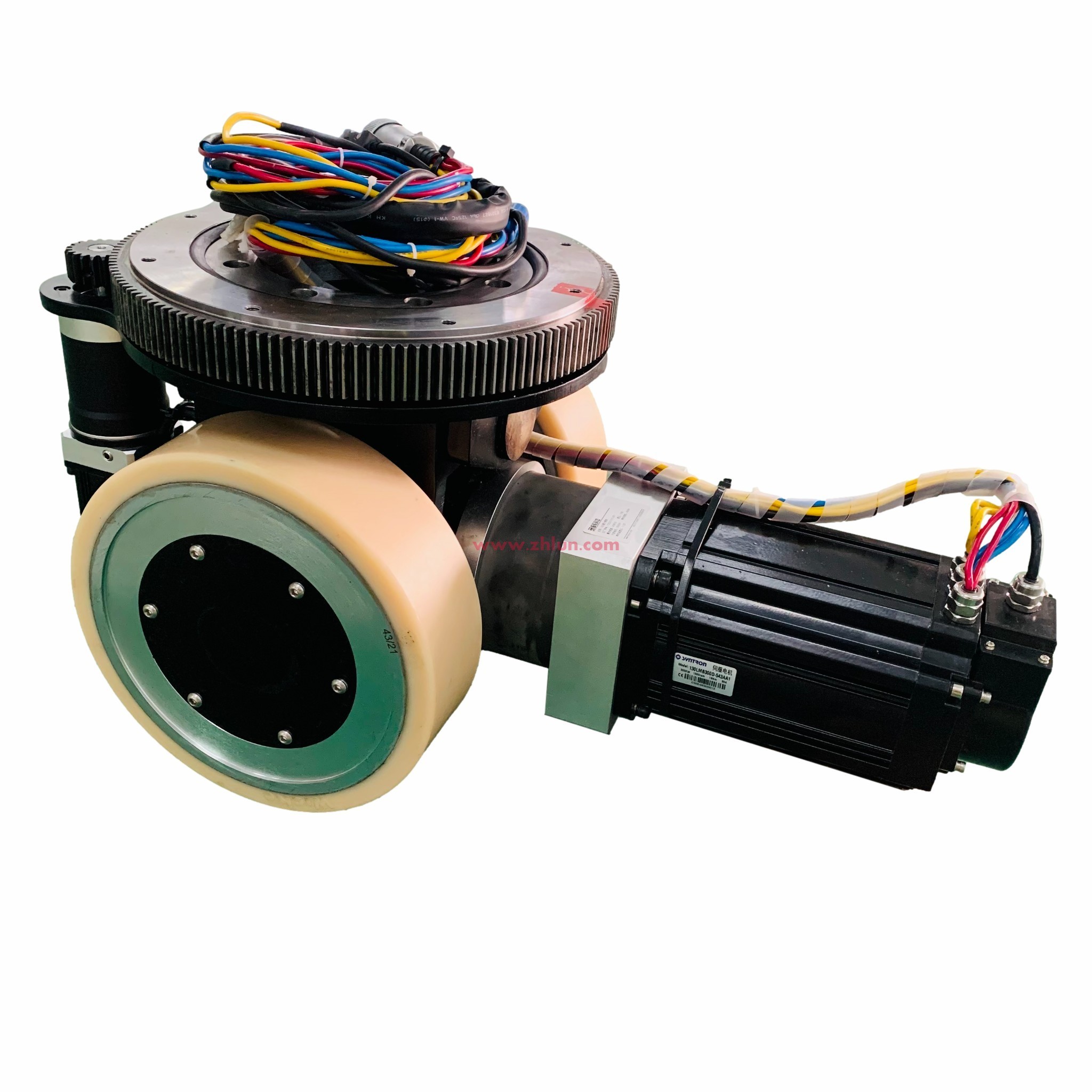
Differential motor drive wheels play a pivotal role in the overall performance of vehicles, especially in the context of the drivetrain and differential systems. These components are designed to optimize the distribution of power to the wheels, allowing for improved handling, traction, and stability. Understanding how differential motor drive wheels operate can significantly enhance your knowledge of automotive technology and its implications for vehicle dynamics.
At its core, a differential is a mechanical device that allows for the difference in rotational speed between two wheels on the same axle. This is particularly crucial when a vehicle turns; the outer wheel must travel a greater distance than the inner wheel. If both wheels were locked together, it would lead to tire scrubbing and potential loss of control. The differential motor drive wheel facilitates this process by enabling the wheels to rotate at varying speeds while maintaining power distribution.
The design of differential motor drive wheels typically involves a set of gears housed within a casing. As power is transmitted from the engine through the driveshaft, the differential gears engage, allowing one wheel to spin faster than the other. This functionality is essential for enhancing traction on various driving surfaces and improving overall vehicle stability. Furthermore, the differential system can adapt to different driving conditions, such as off-road scenarios, where traction may be compromised.
One of the significant benefits of incorporating differential motor drive wheels is their contribution to vehicle safety. By providing better control during turns, they minimize the risk of skidding or losing traction, especially under adverse weather conditions. This feature is particularly crucial for high-performance vehicles and those intended for off-road use, where the terrain can be unpredictable.
Additionally, advancements in differential technology have led to the development of electronic differentials and limited-slip differentials, which offer even greater levels of control and performance. These modern systems utilize sensors and electronic controls to dynamically distribute power to the wheels based on real-time conditions, further enhancing the vehicle's handling characteristics.
In summary, differential motor drive wheels are an integral part of the automotive drivetrain, facilitating the smooth and efficient operation of vehicles. Their ability to allow for differential wheel speeds is essential for safe and effective handling. As the automotive industry continues to evolve with new technologies, understanding the function and benefits of these components will remain critical for anyone involved in the automotive sector. Through advancements in design and technology, differential motor drive wheels will continue to play a vital role in enhancing vehicle performance and safety.
At its core, a differential is a mechanical device that allows for the difference in rotational speed between two wheels on the same axle. This is particularly crucial when a vehicle turns; the outer wheel must travel a greater distance than the inner wheel. If both wheels were locked together, it would lead to tire scrubbing and potential loss of control. The differential motor drive wheel facilitates this process by enabling the wheels to rotate at varying speeds while maintaining power distribution.
The design of differential motor drive wheels typically involves a set of gears housed within a casing. As power is transmitted from the engine through the driveshaft, the differential gears engage, allowing one wheel to spin faster than the other. This functionality is essential for enhancing traction on various driving surfaces and improving overall vehicle stability. Furthermore, the differential system can adapt to different driving conditions, such as off-road scenarios, where traction may be compromised.
One of the significant benefits of incorporating differential motor drive wheels is their contribution to vehicle safety. By providing better control during turns, they minimize the risk of skidding or losing traction, especially under adverse weather conditions. This feature is particularly crucial for high-performance vehicles and those intended for off-road use, where the terrain can be unpredictable.
Additionally, advancements in differential technology have led to the development of electronic differentials and limited-slip differentials, which offer even greater levels of control and performance. These modern systems utilize sensors and electronic controls to dynamically distribute power to the wheels based on real-time conditions, further enhancing the vehicle's handling characteristics.
In summary, differential motor drive wheels are an integral part of the automotive drivetrain, facilitating the smooth and efficient operation of vehicles. Their ability to allow for differential wheel speeds is essential for safe and effective handling. As the automotive industry continues to evolve with new technologies, understanding the function and benefits of these components will remain critical for anyone involved in the automotive sector. Through advancements in design and technology, differential motor drive wheels will continue to play a vital role in enhancing vehicle performance and safety.
Related news
2026-09-26
Understanding Electric Differential Drive Wheels: Key Insights for Professionals
Electric differential drive wheels are a significant advancement in automotive technology, particularly in the realm of drivetrain systems. They function by enabling effective torque distribution between the wheels, which is crucial for maintaining stability and maneuverability in various driving conditions. Unlike traditional differential systems, electric differentials leverage electric motors i

2026-09-25
How Heavy-Duty Drive Wheels Enhance Load Distribution in Vehicles
How Heavy-Duty Drive Wheels Enhance Load Distribution in Vehicles
Table of Contents
1. Introduction to Heavy-Duty Drive Wheels
2. What are Heavy-Duty Drive Wheels?
3. Importance of Load Distribution in Vehicles
4. Benefits of Heavy-Duty Drive Wheels
4.1 Enhancing Vehicle Stability
4.2 Improving Safety and Control
4.3 Extending Vehicle L

2026-09-24
Understanding Motor Drive Wheels for Industrial AGV Robots in the Automotive Sector
In the automotive and parts sector, the integration of technology has revolutionized traditional manufacturing and logistics processes. One of the key components driving this innovation is the motor drive wheel used in industrial Automated Guided Vehicle (AGV) robots. These wheels play a crucial role in enhancing the efficiency and performance of AGV systems, which are increasingly indispensable i
Products

Guangzhou Wisdom Wheel Science Technology Ltd.
No. 1436, Guangcong 9th Road, Guangzhou, Guangdong, China
Whatsapp/MB: Kelly +86-18102686399
Jackson +8615012435018
Candy:+86 19396885135

CopyRight © 2024 Guangzhou Wisdom Wheel Science Technology Ltd.
Powered by www.300.cn SEO Tags En_CityProduct
License