
News Categories
Electric Differential Drive Wheels: What Every Car Enthusiast Should Know
Release time:
2026-08-02
Electric Differential Drive Wheels: What Every Car Enthusiast Should Know
Table of Contents
- Introduction to Electric Differential Drive Wheels
- Understanding the Differential: Basics and Functions
- Types of Differentials and Their Significance
- What are Electric Differential Drive Wheels?
- Benefits of Electric Differential Drive Wheels
- Applications of Electric Differential Drive Wheels in Modern Vehicles
- Challenges and Solutions in Electric Differential Systems
- The Future of Electric Differential Technology
- Frequently Asked Questions
- Conclusion
Introduction to Electric Differential Drive Wheels
In the realm of automotive engineering, advancements in technology continue to redefine performance and efficiency. Among these innovations, **electric differential drive wheels** stand out as a key development, particularly for car enthusiasts. They offer improved handling, better traction, and enhanced driving dynamics. In this article, we will delve into the workings of electric differentials, their advantages, and their applications, ensuring that you have a well-rounded understanding of this transformative technology.
Understanding the Differential: Basics and Functions
A differential is a critical component in the drivetrain of a vehicle, responsible for allowing the wheels to rotate at different speeds, especially during turns. This ability is crucial for maintaining traction and stability. Traditional differentials achieve this through mechanical gears, but **electric differentials** employ electronic systems to manage wheel speed and torque distribution.
How Does a Differential Work?
The primary function of a differential is to transmit power from the engine to the wheels while enabling them to turn at varying speeds. When a vehicle turns, the outside wheels travel a longer distance than the inside wheels. The differential compensates for this difference, ensuring smooth and controlled handling.
Mechanical vs. Electric Differentials
Mechanical differentials rely on gears to manage wheel speed differences. In contrast, electric differentials use electronic sensors and motors to control torque distribution. This shift to electronic systems represents a significant leap in automotive technology, allowing for more precise control and adaptability.
Types of Differentials and Their Significance
Different types of differentials serve various purposes, each with its unique characteristics and applications.
Open Differential
The **open differential** is the most common type, allowing for free rotation between the wheels. While it provides excellent handling in normal conditions, it can lead to traction loss on slippery surfaces.
Limited-Slip Differential (LSD)
A **limited-slip differential** provides better traction by transferring torque to the wheel with more grip. It’s commonly used in performance vehicles for improved handling and acceleration on turns.
Electronic Differential Lock (EDL)
The **EDL** utilizes electronic controls to lock the differential when needed, improving traction in challenging conditions, such as off-road driving or inclement weather.
Active Differentials
Active differentials can adjust torque distribution between wheels dynamically based on driving conditions. This technology is often found in high-performance vehicles and electric cars.
What are Electric Differential Drive Wheels?
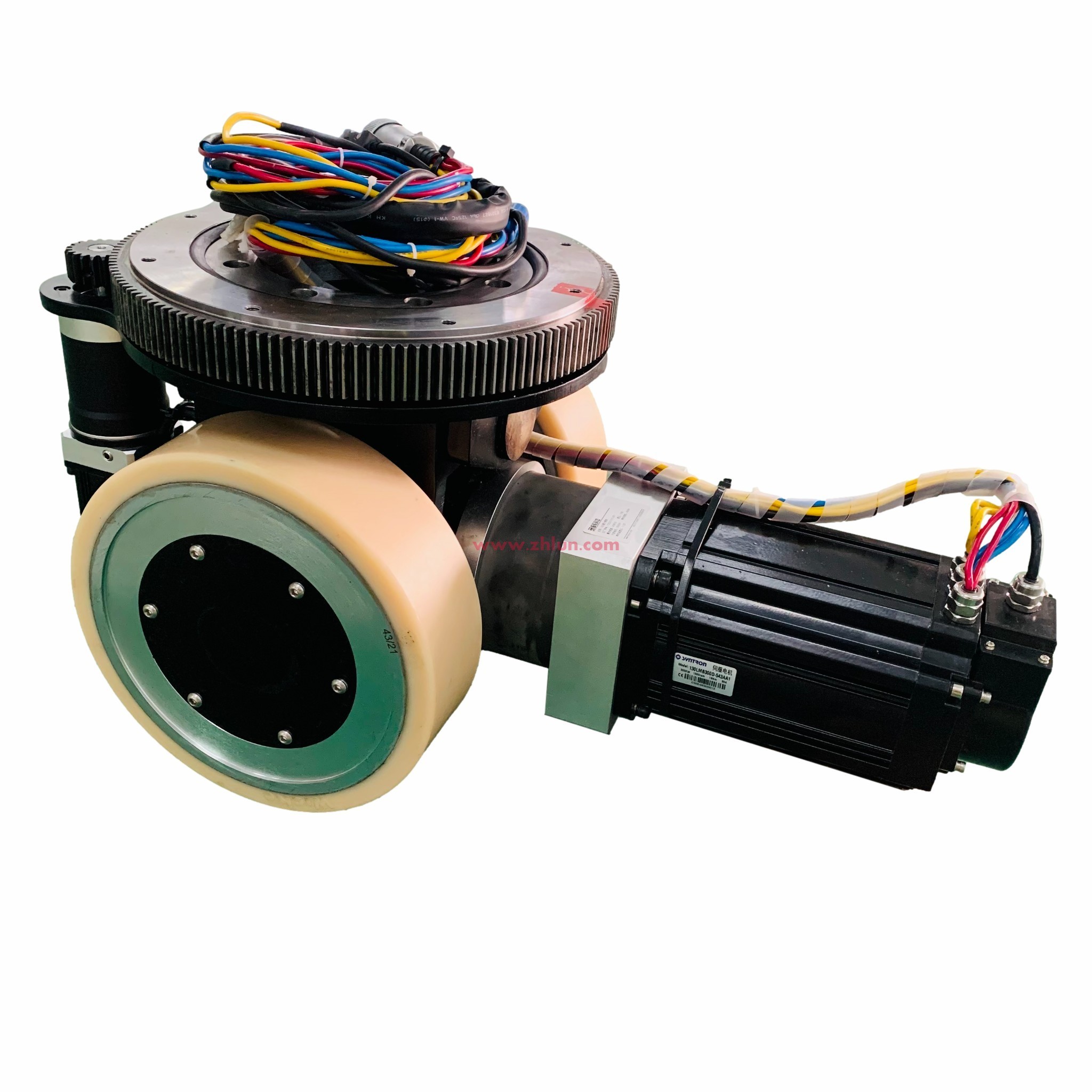
**Electric differential drive wheels** refer to a system where electric motors directly control the differential's operation. This approach replaces traditional mechanical components, resulting in several advantages.
Key Features of Electric Differential Drive Wheels
1. **Instant Torque Response**: Electric differentials provide immediate torque adjustments, enhancing acceleration and responsiveness.
2. **Precision Control**: The use of sensors allows for real-time adjustments based on road conditions, significantly improving handling and stability.
3. **Reduced Weight**: Electric systems can be lighter than their mechanical counterparts, contributing to overall vehicle efficiency.
Benefits of Electric Differential Drive Wheels
Electric differential drive wheels offer a range of benefits that enhance the driving experience:
Improved Traction and Stability
By actively managing torque distribution, electric differentials ensure that power is directed to the wheels with the most grip, enhancing overall stability, especially in adverse conditions.
Enhanced Performance
Electric differentials contribute to superior acceleration and cornering capabilities. Drivers can experience a more engaging and responsive ride, making them ideal for performance vehicles.
Energy Efficiency
The lightweight nature of electric differentials contributes to improved fuel efficiency and reduced emissions, aligning with the growing demand for sustainable automotive technologies.
Customizable Driving Modes
Many electric differential systems offer programmable driving modes, allowing drivers to tailor their driving experience. Whether seeking comfort, sportiness, or efficiency, these systems can adapt accordingly.
Applications of Electric Differential Drive Wheels in Modern Vehicles
Electric differential drive wheels are becoming increasingly relevant across a wide range of automotive applications:
Performance Vehicles
High-performance sports cars and electric vehicles benefit significantly from electric differentials, providing superior handling and responsiveness that enhances the driving experience.
SUVs and Off-Road Vehicles
In SUVs and off-road vehicles, electric differentials contribute to improved traction on rugged terrains. They enable better control when navigating challenging landscapes, making them ideal for adventurous driving.
Electric and Hybrid Vehicles
As the automotive industry shifts toward electrification, electric differentials are being integrated into electric and hybrid vehicles, optimizing power management and enhancing overall efficiency.
Challenges and Solutions in Electric Differential Systems
While electric differential drive wheels present numerous advantages, they also come with certain challenges:
Cost of Implementation
The integration of electric differential technology can be cost-prohibitive for manufacturers. However, as technology advances and production scales, costs are expected to decrease.
Complexity of Systems
Electric differentials are more complex than traditional systems, requiring sophisticated software and electronic control units. Continuous advancements in technology will help streamline these systems for better reliability.
Power Management
Managing power consumption is crucial, especially in electric vehicles. Engineers are working on solutions to optimize energy usage without compromising performance.
The Future of Electric Differential Technology
The future of electric differential technology looks promising, with ongoing research and development focused on enhancing performance, efficiency, and reliability.
Integration with Autonomous Driving
As autonomous driving technology advances, electric differentials will play a crucial role in ensuring smooth and safe vehicle operation. Their ability to dynamically adjust torque distribution will be essential for maintaining stability in self-driving vehicles.
Advancements in Materials and Manufacturing
Future improvements in materials science and manufacturing techniques will lead to lighter, more efficient electric differentials, making them even more attractive for various automotive applications.
Sustainability Initiatives
With a growing emphasis on sustainability in the automotive industry, electric differentials can provide a pathway to reducing emissions and improving overall vehicle efficiency.
Frequently Asked Questions
1. What are electric differential drive wheels?
Electric differential drive wheels are systems that use electric motors to control torque distribution between vehicle wheels, enhancing traction and handling.
2. How do electric differentials improve vehicle performance?
They provide instant torque adjustments and precise control, resulting in better acceleration, cornering, and overall driving dynamics.
3. Are electric differentials suitable for off-road vehicles?
Yes, electric differentials are highly beneficial for off-road vehicles, improving traction and stability on uneven terrains.
4. What challenges do electric differentials face?
Challenges include high implementation costs, system complexity, and power management issues, but ongoing advancements are addressing these concerns.
5. What is the future of electric differential technology?
The future includes integration with autonomous driving systems, advancements in materials, and a focus on sustainability, making electric differentials a crucial component of modern vehicles.
Conclusion
Electric differential drive wheels represent a significant leap forward in automotive technology, offering car enthusiasts enhanced performance, improved traction, and a more engaging driving experience. By understanding the mechanics, benefits, and applications of electric differentials, enthusiasts can appreciate the innovation behind this transformative technology. As the automotive landscape continues to evolve, electric differentials will undoubtedly play a pivotal role in shaping the future of driving. Whether you're a performance enthusiast or simply a driver seeking a superior experience, staying informed about electric differential technology is essential in today's rapidly changing automotive world. Embrace the future and enjoy the journey ahead with electric differential drive wheels.
Related news

2026-09-17
The Impact of Differential Motor Drive Wheels on Vehicle Handling: A Comprehensive Guide
The Impact of Differential Motor Drive Wheels on Vehicle Handling
Table of Contents
1. Introduction to Differential Motor Drive Wheels
2. Understanding Differential Systems
2.1 What is a Differential?
2.2 Types of Differential Systems
3. The Role of Differential Motor Drive Wheels in Vehicle Dynamics
3.1 Enhancing Traction and Stability
3.2 Preventing Tire Slippage
4. Advantages of Advanced Differ
2026-09-16
Understanding Electric Differential Drive Wheels: A Comprehensive Guide
Electric differential drive wheels are an essential component in contemporary automotive engineering, especially within the transmission systems of electric and hybrid vehicles. Unlike traditional mechanical differentials, electric differential drive wheels utilize electric motors to manage torque distribution between the wheels. This innovative approach offers enhanced performance, better handlin

2026-09-15
Heavy-Duty Drive Wheels: A Key Component of Reliable Performance
Heavy-Duty Drive Wheels: A Key Component of Reliable Performance
Table of Contents
1. Introduction to Heavy-Duty Drive Wheels
2. The Importance of Heavy-Duty Drive Wheels
3. Key Features of Heavy-Duty Drive Wheels
4. Benefits of Using Heavy-Duty Drive Wheels
5. Maintenance Tips for Heavy-Duty Drive Wheels
6. Comparing Heavy-Duty Drive Wheels with Standard Wheels
7. App
Products

Guangzhou Wisdom Wheel Science Technology Ltd.
No. 1436, Guangcong 9th Road, Guangzhou, Guangdong, China
Whatsapp/MB: Kelly +86-18102686399
Jackson +8615012435018
Candy:+86 19396885135

CopyRight © 2024 Guangzhou Wisdom Wheel Science Technology Ltd.
Powered by www.300.cn SEO Tags En_CityProduct
License