
News Categories
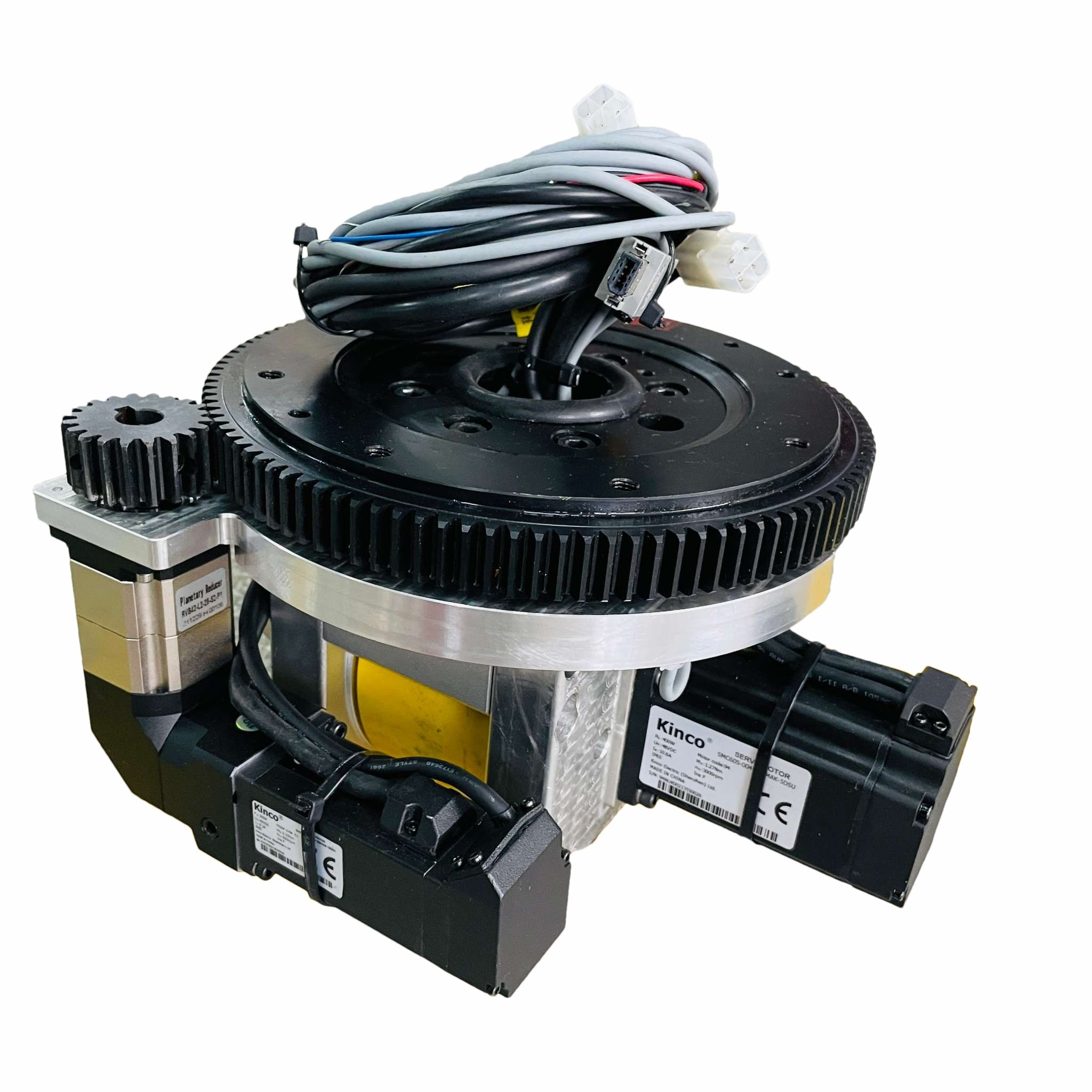
Innovative Motor Drive Wheels for Enhanced Efficiency in Industrial AGV Robots
Release time:
2026-07-06
---
In the realm of industrial automation, the efficiency and effectiveness of Automated Guided Vehicles (AGVs) play a crucial role in streamlining operations. One of the critical components that contribute to the performance of AGV robots is the motor drive wheel. Understanding the intricacies of motor drive wheels for industrial AGV robots can significantly enhance operational capabilities and reduce maintenance costs, ultimately leading to higher productivity.
Motor drive wheels for AGVs are designed with several essential features that cater to the unique demands of industrial environments. These wheels typically come with integrated motors that provide direct drive capabilities, eliminating the need for traditional gear systems. This design not only saves space but also reduces weight, which is pivotal in improving the overall energy efficiency of the robots. Furthermore, the integration of advanced motor technology allows for smoother acceleration and deceleration, enabling AGVs to navigate complex paths with precision.
A crucial aspect to consider when selecting motor drive wheels is their traction and surface compatibility. Different industrial environments may present varying surface conditions, such as smooth concrete floors or uneven surfaces. Therefore, selecting wheels made from materials that provide optimal grip and durability is essential. Polyurethane and rubber compounds are often preferred for their excellent wear resistance and superior traction.
Another significant factor is the power rating and torque output of the motor drive wheels. The selection should be based on the specific load requirements of the AGVs. Higher torque output is necessary for heavier payloads, while lighter loads may benefit from wheels with lower power ratings, leading to energy savings. Additionally, understanding the drive wheel's RPM (revolutions per minute) capability is vital as it directly impacts the speed and efficiency of the AGV's operation.
Moreover, the design of the motor drive wheels can influence the maneuverability of AGVs. Features such as omni-directional wheels or castor wheels can provide enhanced agility, allowing AGVs to navigate tight spaces and perform complex maneuvers with ease. This versatility is particularly beneficial in warehouses and manufacturing plants where the layout may frequently change.
Finally, regular maintenance and monitoring of motor drive wheels are vital to ensure longevity and optimal performance. Implementing predictive maintenance strategies can help identify potential issues before they become critical, thus preventing downtime and costly repairs.
In conclusion, investing in high-quality motor drive wheels for industrial AGV robots is paramount for enhancing efficiency and reliability in automated processes. By considering factors such as material composition, torque output, and design features, organizations can select the most appropriate solutions to meet their operational needs. As the landscape of industrial automation continues to evolve, staying informed about these technological advancements will be key to maintaining a competitive edge in the market.
In the realm of industrial automation, the efficiency and effectiveness of Automated Guided Vehicles (AGVs) play a crucial role in streamlining operations. One of the critical components that contribute to the performance of AGV robots is the motor drive wheel. Understanding the intricacies of motor drive wheels for industrial AGV robots can significantly enhance operational capabilities and reduce maintenance costs, ultimately leading to higher productivity.
Motor drive wheels for AGVs are designed with several essential features that cater to the unique demands of industrial environments. These wheels typically come with integrated motors that provide direct drive capabilities, eliminating the need for traditional gear systems. This design not only saves space but also reduces weight, which is pivotal in improving the overall energy efficiency of the robots. Furthermore, the integration of advanced motor technology allows for smoother acceleration and deceleration, enabling AGVs to navigate complex paths with precision.
A crucial aspect to consider when selecting motor drive wheels is their traction and surface compatibility. Different industrial environments may present varying surface conditions, such as smooth concrete floors or uneven surfaces. Therefore, selecting wheels made from materials that provide optimal grip and durability is essential. Polyurethane and rubber compounds are often preferred for their excellent wear resistance and superior traction.
Another significant factor is the power rating and torque output of the motor drive wheels. The selection should be based on the specific load requirements of the AGVs. Higher torque output is necessary for heavier payloads, while lighter loads may benefit from wheels with lower power ratings, leading to energy savings. Additionally, understanding the drive wheel's RPM (revolutions per minute) capability is vital as it directly impacts the speed and efficiency of the AGV's operation.
Moreover, the design of the motor drive wheels can influence the maneuverability of AGVs. Features such as omni-directional wheels or castor wheels can provide enhanced agility, allowing AGVs to navigate tight spaces and perform complex maneuvers with ease. This versatility is particularly beneficial in warehouses and manufacturing plants where the layout may frequently change.
Finally, regular maintenance and monitoring of motor drive wheels are vital to ensure longevity and optimal performance. Implementing predictive maintenance strategies can help identify potential issues before they become critical, thus preventing downtime and costly repairs.
In conclusion, investing in high-quality motor drive wheels for industrial AGV robots is paramount for enhancing efficiency and reliability in automated processes. By considering factors such as material composition, torque output, and design features, organizations can select the most appropriate solutions to meet their operational needs. As the landscape of industrial automation continues to evolve, staying informed about these technological advancements will be key to maintaining a competitive edge in the market.
Related news
2026-07-06
Innovative Motor Drive Wheels for Enhanced Efficiency in Industrial AGV Robots
---
In the realm of industrial automation, the efficiency and effectiveness of Automated Guided Vehicles (AGVs) play a crucial role in streamlining operations. One of the critical components that contribute to the performance of AGV robots is the motor drive wheel. Understanding the intricacies of motor drive wheels for industrial AGV robots can significantly enhance operational capabilities and r
2026-07-05
Heavy Duty Robot Drive Wheels: Essential Components for High-Performance Vehicles
Table of Contents
1. Introduction to Heavy Duty Robot Drive Wheels
2. Key Features of High-Performance Drive Wheels
3. Materials Used in Manufacturing Drive Wheels
3.1 Aluminum vs. Steel: Making the Right Choice
3.2 Composite Materials: The Future of Drive Wheels
4. Applications of Heavy Duty Robot Drive Wheels
4.1 R
2026-07-04
Understanding Differential Motor Drive Wheels: Key Insights for Automotive Professionals
---
Differential motor drive wheels play a pivotal role in the functionality and efficiency of vehicle transmission systems. These components are integral for managing the distribution of power to the wheels, allowing for optimal traction and handling, especially during turns. Understanding how differential motor drive wheels operate can significantly enhance your knowledge of vehicle dynamics and
Products
CopyRight © 2024 Guangzhou Wisdom Wheel Science Technology Ltd.
Powered by www.300.cn SEO Tags En_CityProduct
License