
News Categories
Understanding Differential Motor Drive Wheels: Key Insights for Automotive Professionals
Release time:
2026-07-04
---
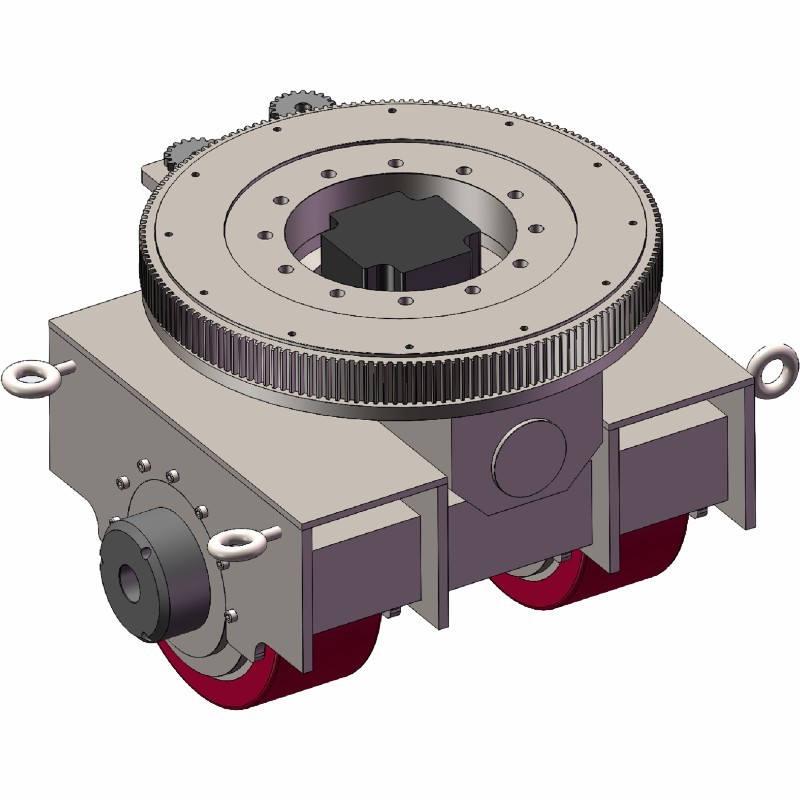
Differential motor drive wheels play a pivotal role in the functionality and efficiency of vehicle transmission systems. These components are integral for managing the distribution of power to the wheels, allowing for optimal traction and handling, especially during turns. Understanding how differential motor drive wheels operate can significantly enhance your knowledge of vehicle dynamics and improve vehicle performance.
At its core, the differential motor drive wheel system allows for different wheel speeds while maintaining torque distribution. This is particularly important in situations where a vehicle turns; the inside wheels need to rotate slower than the outside wheels to navigate the curve effectively. Without a well-functioning differential, a vehicle could experience excessive tire wear and reduced handling capabilities, which can compromise both safety and driving pleasure.
There are various types of differentials, including open, limited-slip, and locking differentials, each with its specific applications and advantages. Open differentials are the most common, providing basic functionality but can lead to traction loss if one wheel slips. Limited-slip differentials, on the other hand, can transfer torque to the wheel with the most grip, which is particularly beneficial in performance vehicles or off-road applications. Locking differentials are designed for extreme conditions, allowing both wheels on an axle to rotate at the same speed, providing maximum traction in challenging terrains.
When considering the application and maintenance of differential motor drive wheels, several factors should be taken into account. Regular inspections and maintenance of differential components can prevent premature failure and enhance the longevity of the drive system. Checking the fluid levels, ensuring proper lubrication, and inspecting for any signs of wear or damage are essential practices for maintaining these systems.
Moreover, the advancements in technology have led to the development of electronic and active differentials, which can adjust torque distribution dynamically based on driving conditions. These innovations provide improved handling and stability, making them popular in modern high-performance and luxury vehicles.
In conclusion, a thorough understanding of differential motor drive wheels and their functionalities is crucial for automotive professionals. By familiarizing yourself with the various types of differentials and their maintenance needs, you can ensure optimal performance and safety for the vehicles you work with. Continuous learning and adaptation to new technologies in this field will not only enhance your skills but also improve the overall driving experience for your clients.
Differential motor drive wheels play a pivotal role in the functionality and efficiency of vehicle transmission systems. These components are integral for managing the distribution of power to the wheels, allowing for optimal traction and handling, especially during turns. Understanding how differential motor drive wheels operate can significantly enhance your knowledge of vehicle dynamics and improve vehicle performance.
At its core, the differential motor drive wheel system allows for different wheel speeds while maintaining torque distribution. This is particularly important in situations where a vehicle turns; the inside wheels need to rotate slower than the outside wheels to navigate the curve effectively. Without a well-functioning differential, a vehicle could experience excessive tire wear and reduced handling capabilities, which can compromise both safety and driving pleasure.
There are various types of differentials, including open, limited-slip, and locking differentials, each with its specific applications and advantages. Open differentials are the most common, providing basic functionality but can lead to traction loss if one wheel slips. Limited-slip differentials, on the other hand, can transfer torque to the wheel with the most grip, which is particularly beneficial in performance vehicles or off-road applications. Locking differentials are designed for extreme conditions, allowing both wheels on an axle to rotate at the same speed, providing maximum traction in challenging terrains.
When considering the application and maintenance of differential motor drive wheels, several factors should be taken into account. Regular inspections and maintenance of differential components can prevent premature failure and enhance the longevity of the drive system. Checking the fluid levels, ensuring proper lubrication, and inspecting for any signs of wear or damage are essential practices for maintaining these systems.
Moreover, the advancements in technology have led to the development of electronic and active differentials, which can adjust torque distribution dynamically based on driving conditions. These innovations provide improved handling and stability, making them popular in modern high-performance and luxury vehicles.
In conclusion, a thorough understanding of differential motor drive wheels and their functionalities is crucial for automotive professionals. By familiarizing yourself with the various types of differentials and their maintenance needs, you can ensure optimal performance and safety for the vehicles you work with. Continuous learning and adaptation to new technologies in this field will not only enhance your skills but also improve the overall driving experience for your clients.
Related news
2026-10-02
Understanding Differential Motor Drive Wheels: Enhancing Vehicle Performance
Differential motor drive wheels play a crucial role in the overall performance and efficiency of vehicles, particularly in the context of their transmission systems. At its core, a differential allows for the independent rotation of wheels on the same axle, which is especially important when a vehicle navigates turns. The outer wheel travels a longer distance compared to the inner wheel, and the d

2026-10-01
Key Features of Electric Differential Drive Wheels That Make a Difference
Key Features of Electric Differential Drive Wheels That Make a Difference
Introduction to Electric Differential Drive Wheels
Electric differential drive wheels are revolutionizing the automotive industry, offering innovative solutions that enhance vehicle performance, efficiency, and driving experience. As the demand for electric vehicles (EVs) grows, understanding the key features that set these

2026-09-30
Understanding Heavy-Duty Drive Wheels: Key Components for Enhanced Performance
Heavy-duty drive wheels are crucial components within the automotive and parts industry, especially in the context of drive systems and differential assemblies. These wheels are designed to handle the rigorous demands of heavy-duty vehicles, which often operate under extreme conditions and require robust components to ensure optimal performance and reliability.
The primary function of heavy-duty d
Products

Guangzhou Wisdom Wheel Science Technology Ltd.
No. 1436, Guangcong 9th Road, Guangzhou, Guangdong, China
Whatsapp/MB: Kelly +86-18102686399
Jackson +8615012435018
Candy:+86 19396885135

CopyRight © 2024 Guangzhou Wisdom Wheel Science Technology Ltd.
Powered by www.300.cn SEO Tags En_CityProduct
License