
Electric Differential Drive Wheels: Revolutionizing Traction and Stability in Modern Vehicles
Release time:
2026-06-23
Electric Differential Drive Wheels: Revolutionizing Traction and Stability in Modern Vehicles
Table of Contents
- Understanding Electric Differentials
- The Importance of Traction and Stability in Vehicles
- Benefits of Electric Differential Drive Wheels
- How Electric Differentials Work
- Applications of Electric Differential Drive Wheels in the Automotive Industry
- Comparison with Conventional Differentials
- The Future of Electric Differentials in Automotive Technology
- Frequently Asked Questions
Understanding Electric Differentials
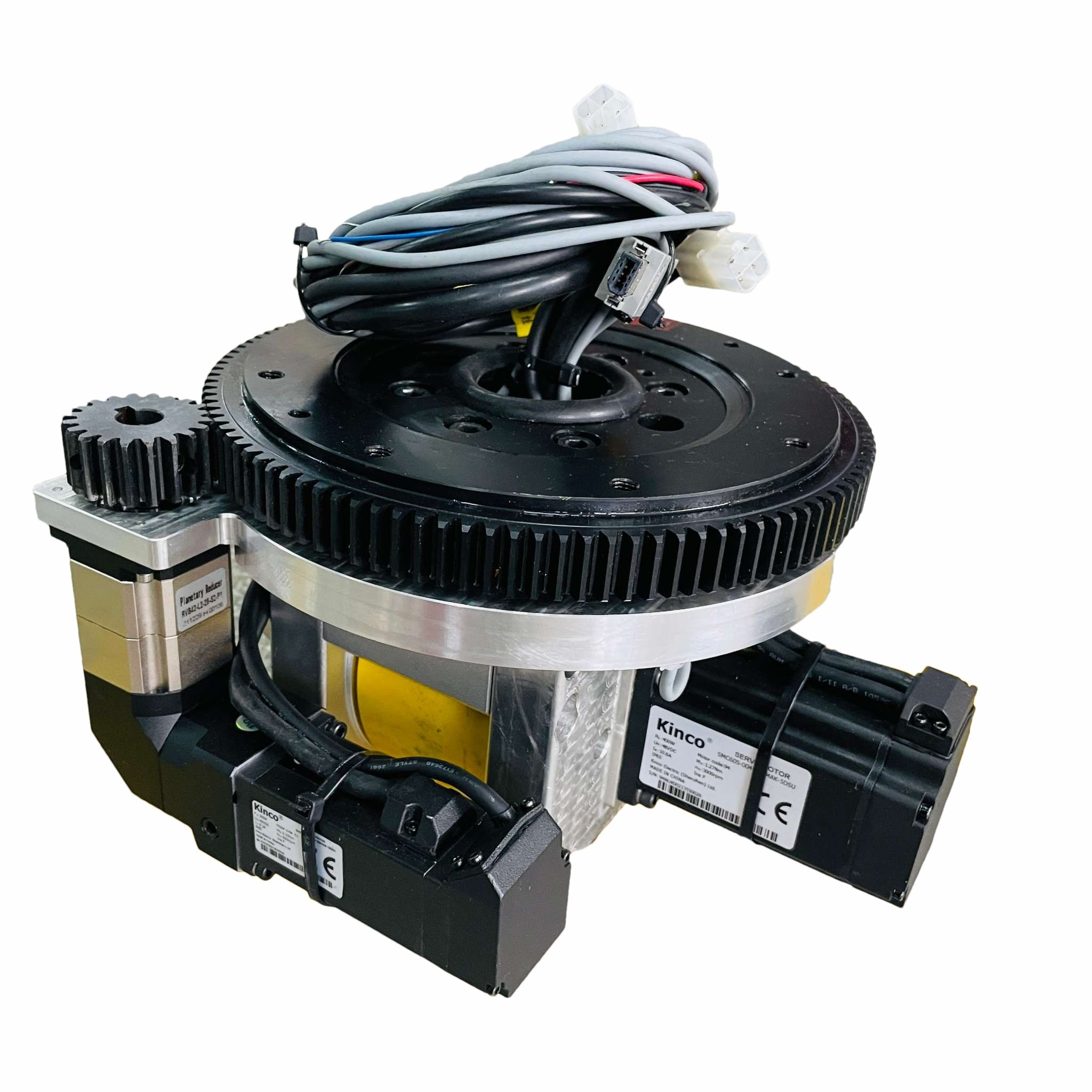
Electric differentials are innovative systems designed to optimize the power distribution to the wheels of a vehicle. Unlike traditional mechanical differentials, which rely on gears and physical components to distribute torque, electric differentials utilize electric motors to provide precise control over wheel speed. This technology is particularly useful in enhancing traction and stability in various driving conditions.
The Role of Electric Differential Systems
Electric differential systems operate by adjusting the torque sent to each wheel based on real-time data from various sensors. These sensors monitor factors such as wheel speed, steering angle, and road conditions, allowing the system to make quick adjustments. This responsiveness enhances vehicle performance, especially in challenging situations such as adverse weather or off-road environments.
The Importance of Traction and Stability in Vehicles
Traction and stability are critical factors in vehicle safety and performance. Traction refers to the grip that tires have on the road surface, while stability indicates a vehicle's ability to maintain control during maneuvers. Both aspects are vital for ensuring safe and efficient driving, especially in the following scenarios:
Driving in Various Conditions
- Wet or Icy Roads: Reduced traction can lead to skidding and loss of vehicle control.
- Off-Roading: Uneven terrain demands superior traction for effective navigation.
- Sharp Turns: Stability is crucial for maintaining control during sudden directional changes.
Electric differential drive wheels significantly enhance both traction and stability, allowing drivers to navigate diverse conditions with confidence.
Benefits of Electric Differential Drive Wheels
The integration of electric differential drive wheels into vehicles brings a multitude of benefits:
Enhanced Traction Control
By distributing torque to individual wheels based on real-time conditions, electric differentials provide enhanced traction control. This capability reduces wheel spin and improves acceleration, especially on slippery surfaces.
Improved Stability During Cornering
Electric differentials adjust torque between wheels to maintain stability during cornering. This dynamic adjustment helps prevent understeering or oversteering, ensuring a smoother and safer driving experience.
Fuel Efficiency
Electric differentials contribute to improved fuel efficiency by optimizing power distribution. By minimizing unnecessary power transfer to wheels that do not need it, these systems can reduce energy consumption.
Reduced Wear and Tear
With more efficient power distribution, electric differentials can also contribute to reduced wear on tires and other components. This longevity minimizes maintenance costs and extends the lifespan of the vehicle.
How Electric Differentials Work
The operation of electric differentials is based on a combination of electric motors and advanced control algorithms. When a vehicle encounters varying road conditions, the onboard computer processes data from sensors and anticipates the required torque adjustments. Here’s how it works:
Data Collection and Analysis
Sensors collect data regarding wheel speeds, steering input, and surface conditions. The onboard computer analyzes this data in real-time to determine the optimal torque distribution.
Torque Distribution
Electric motors engage to adjust the torque applied to each wheel. For instance, if one wheel begins to spin faster than the other, the system can redirect torque to the wheel with more grip, enhancing traction.
Continuous Adjustment
As driving conditions change, the electric differential continuously adjusts the torque distribution. This capability ensures that drivers maintain optimal control, regardless of the environment.
Applications of Electric Differential Drive Wheels in the Automotive Industry
Electric differential drive wheels are finding applications across various segments of the automotive industry:
Electric Vehicles (EVs)
As the automotive industry shifts towards electrification, electric differentials are becoming increasingly common in electric vehicles. Their efficiency and performance enhancements align well with the goals of EV technology.
All-Wheel Drive (AWD) Systems
AWD systems benefit immensely from electric differentials, allowing for better handling and control in all terrain types.
Performance Vehicles
High-performance vehicles utilize electric differentials to maximize power delivery and ensure drivers can achieve peak performance during acceleration and cornering.
Comparison with Conventional Differentials
While traditional differentials have served the automotive industry well, electric differentials offer several advantages:
Precision vs. Mechanical Limitations
Traditional differentials rely on mechanical parts, which can wear down over time, leading to inefficiencies. Electric differentials provide precision control that mechanical systems cannot match.
Adaptability
Electric differentials can adapt quickly to changing conditions, providing a level of responsiveness that conventional systems lack.
Maintenance Considerations
Traditional systems often require more frequent maintenance due to wear and tear. Electric systems, with fewer moving parts, tend to have lower maintenance needs.
The Future of Electric Differentials in Automotive Technology
The future of electric differential technology appears promising. As advancements in battery technology and electric motors continue, we can expect even greater performance enhancements. The rise of autonomous vehicles also presents opportunities for electric differentials to play a pivotal role in navigating complex environments safely and efficiently.
Integration with Autonomous Systems
Electric differentials will be essential in autonomous vehicles, allowing for precise control in real-time driving scenarios. Machine learning algorithms will enable these systems to adapt to a wider array of road conditions and driver behaviors.
Continued Innovation
As automotive technology evolves, we can anticipate further innovations in electric differentials. Research and development in this area will likely lead to even more efficient systems, contributing to the overall goal of safer and more sustainable transportation.
Frequently Asked Questions
1. What are electric differentials?
Electric differentials are advanced systems that distribute torque to individual wheels using electric motors, optimizing traction and stability in vehicles.
2. How do electric differentials improve traction?
They improve traction by dynamically adjusting the torque sent to each wheel based on real-time data from sensors, reducing wheel spin and enhancing grip.
3. Are electric differentials more efficient than traditional differentials?
Yes, electric differentials are typically more efficient due to their precise control and fewer moving parts, which also results in lower maintenance needs.
4. Can electric differentials be used in off-road vehicles?
Absolutely! Electric differentials enhance off-road performance by providing better torque distribution, helping vehicles navigate uneven terrains effectively.
5. What is the future of electric differentials in the automotive industry?
The future is bright, with ongoing advancements promising even greater performance improvements and integration with autonomous vehicle systems.
Conclusion
Electric differential drive wheels represent a significant advancement in automotive technology, enhancing traction and stability for a safer driving experience. As we continue to embrace innovation in the automotive industry, understanding the mechanics and benefits of electric differentials will be crucial for both manufacturers and consumers. With their ability to adapt to varying conditions and improve vehicle efficiency, electric differentials are poised to become a standard feature in modern vehicles, paving the way for a new era of automotive performance.
Related news

2026-08-07
Exploring the Electric Differential Drive Wheel: A Key Component in Modern Automotive Systems

2026-08-06
Real-Life Applications of Heavy-Duty Drive Wheels in the Industry
2026-08-05
Optimizing Motor Drive Wheels for Enhanced Performance in Industrial AGV Robots
Products

Guangzhou Wisdom Wheel Science Technology Ltd.
No. 1436, Guangcong 9th Road, Guangzhou, Guangdong, China
Whatsapp/MB: Kelly +86-18102686399
Jackson +8615012435018
Candy:+86 19396885135

CopyRight © 2024 Guangzhou Wisdom Wheel Science Technology Ltd.
Powered by www.300.cn SEO Tags En_CityProduct