
Motor Drive Wheel Innovations: Paving the Way for Next-Gen Industrial AGVs
Release time:
2026-06-21
Motor Drive Wheel Innovations: Paving the Way for Next-Gen Industrial AGVs
The industrial landscape is rapidly evolving, driven by advancements in technology that enhance efficiency, productivity, and flexibility. One of the key areas experiencing significant transformation is the development of Autonomous Guided Vehicles (AGVs). These vehicles are becoming indispensable in various sectors, providing streamlined operations and reducing labor costs. At the heart of these innovations lies the motor drive wheel technology, which is crucial for the performance and functionality of AGVs. This article will provide an in-depth exploration of motor drive wheel innovations and their impact on the future of industrial AGVs.
Table of Contents
- Understanding Autonomous Guided Vehicles (AGVs)
- The Importance of Motor Drive Wheels in AGVs
- Recent Innovations in Motor Drive Wheel Technology
- Benefits of Modern Motor Drive Wheels for AGVs
- Challenges in Implementing AGVs with Advanced Drive Wheels
- Future Trends in AGV Technology
- Case Studies: Successful AGV Implementations
- Frequently Asked Questions
Understanding Autonomous Guided Vehicles (AGVs)
Autonomous Guided Vehicles (AGVs) are automated systems designed to transport materials and products within a facility without human intervention. These vehicles navigate through predefined pathways using various technologies such as lasers, magnets, and cameras. AGVs are integral to modern manufacturing and logistics due to their ability to optimize workflows and enhance operational efficiencies.
As industries increasingly adopt AGVs, understanding their functionality and the technology that underpins them is crucial. The motor drive wheel is a primary component that significantly influences an AGV's performance, speed, and maneuverability.
The Core Components of AGVs
AGVs consist of several key components, including:
- Navigation System: Ensures accurate positioning and pathfinding.
- Load Handling Mechanism: Facilitates the transport of goods.
- Control System: Manages the vehicle's operations and communications.
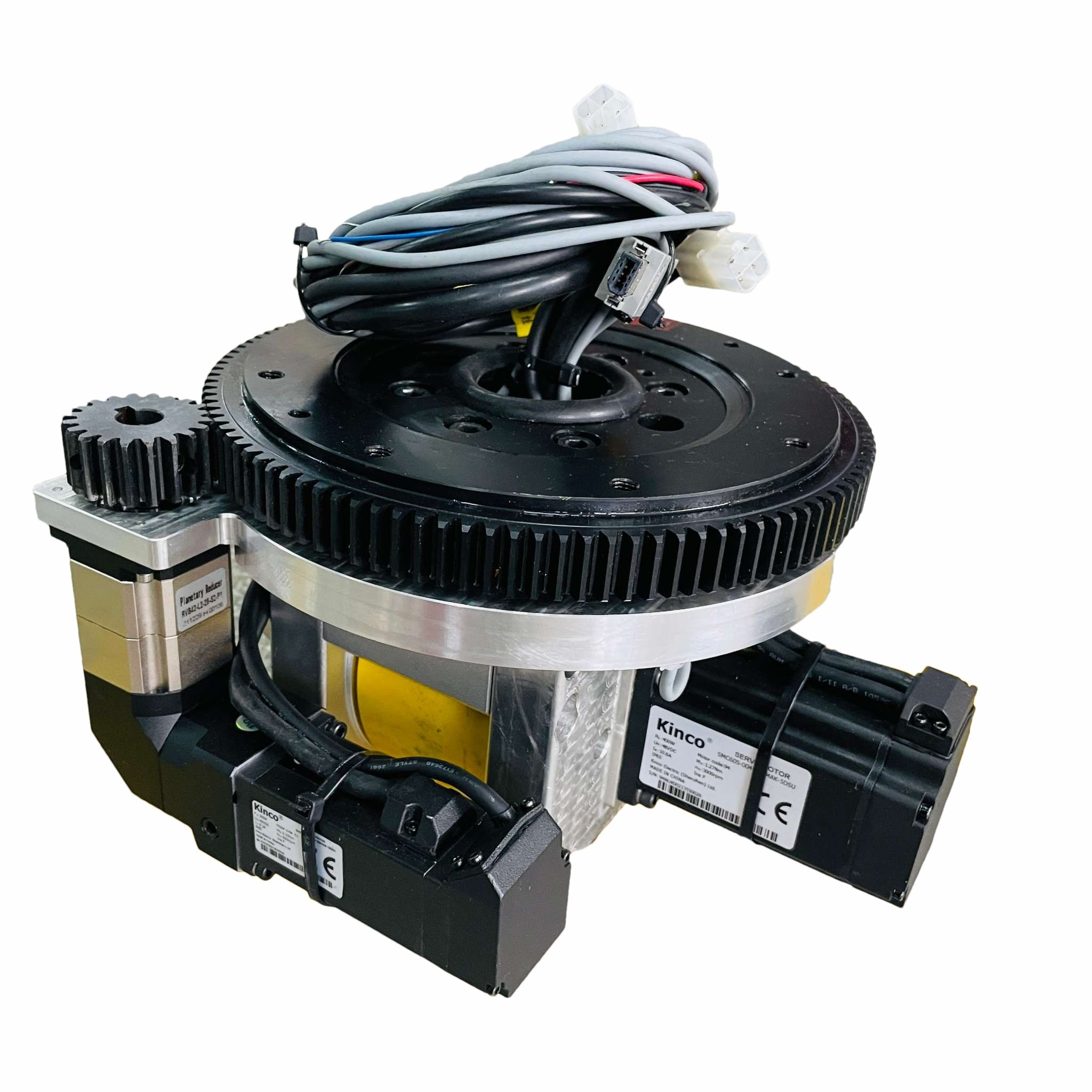
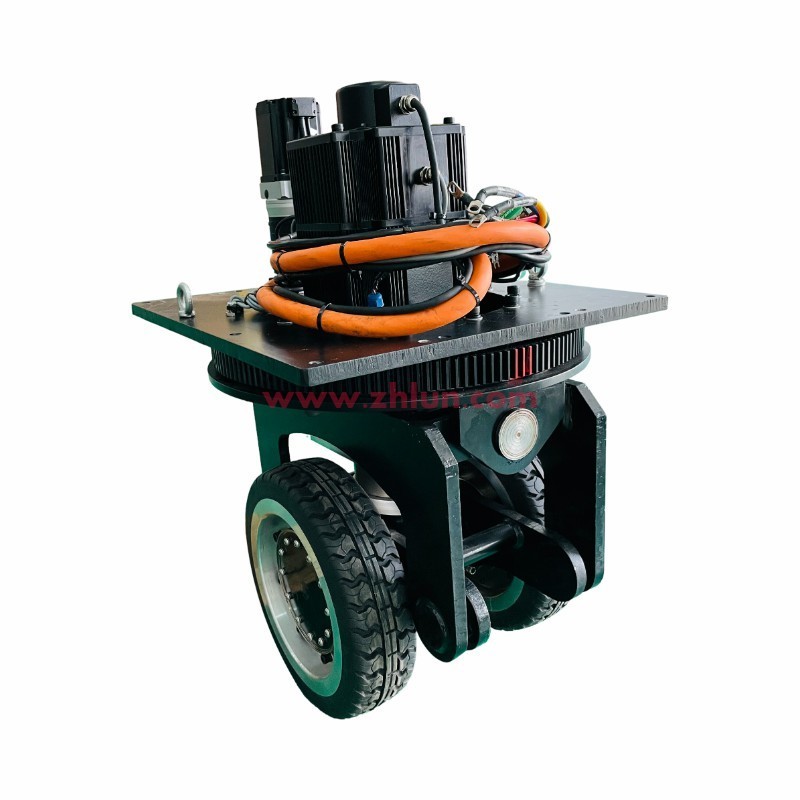
- Motor Drive Wheels: Provides the necessary propulsion and movement.
The Importance of Motor Drive Wheels in AGVs
The motor drive wheels are integral to an AGV's operation. They play a vital role in determining the vehicle's speed, agility, and overall performance. The efficiency of these wheels directly impacts how well an AGV can navigate complex environments while transporting goods.
Key Functions of Motor Drive Wheels
Motor drive wheels serve several essential functions within AGVs:
- Propulsion: They provide the necessary force for the vehicle's movement.
- Steering: Innovative designs allow for improved maneuverability, especially in tight spaces.
- Load Support: Drive wheels must support the weight of the AGV and its cargo, ensuring stability during operation.
Recent Innovations in Motor Drive Wheel Technology
Recent advancements in motor drive wheel technology are paving the way for next-generation AGVs. Innovations include improved materials, enhanced power systems, and advanced control algorithms that optimize performance.
Lightweight Materials
The use of lightweight yet durable materials such as advanced composites and alloys reduces the overall weight of AGVs, allowing for greater energy efficiency and increased payload capacity. This innovation not only improves speed but also extends battery life, making AGVs more sustainable.
Smart Motor Systems
Modern motor systems equipped with sensors and IoT capabilities allow for real-time monitoring of performance and diagnostics. This data-driven approach enables predictive maintenance, reducing downtime and ensuring continuous operation.
Integration of Artificial Intelligence
AI integration into motor drive systems enhances decision-making processes, allowing AGVs to adapt to changing environments. AI algorithms can analyze vast amounts of data, optimizing routing and improving the overall efficiency of AGV operations.
Benefits of Modern Motor Drive Wheels for AGVs
With the advancements in motor drive wheel technology, AGVs now offer numerous benefits that significantly enhance their value in industrial applications.
Improved Efficiency and Performance
The latest motor drive wheels enable AGVs to operate at higher speeds while maintaining stability and control. Enhanced energy efficiency translates to longer operational periods and reduced operational costs, which is vital for businesses looking to improve their bottom line.
Enhanced Safety Features
Modern motor drive wheels incorporate advanced safety features such as automatic braking systems and obstacle detection technologies. These innovations reduce the risk of accidents, ensuring a safer working environment for personnel and other equipment.
Versatility in Application
With various designs available, modern motor drive wheels can be customized for different applications, from warehousing to manufacturing. Their adaptability allows businesses to implement AGVs across diverse sectors, enhancing overall productivity.
Challenges in Implementing AGVs with Advanced Drive Wheels
Despite the significant advancements, implementing AGVs with modern motor drive wheels comes with its share of challenges. Understanding these challenges is crucial for businesses considering AGV adoption.
Initial Investment Costs
The upfront costs associated with acquiring and integrating AGVs, particularly those with advanced motor drive wheels, can be substantial. Companies must weigh these costs against the potential long-term savings and efficiencies gained.
Integration with Existing Systems
Integrating AGVs into existing workflows and systems can pose challenges, particularly in facilities with established processes. Careful planning and implementation strategies are necessary to ensure seamless integration.
Training and Skill Development
Employees must be trained to operate and maintain AGVs effectively. This training is essential to maximize the benefits of the technology and minimize the risk of errors during operation.
Future Trends in AGV Technology
As technology evolves, so too will the capabilities of AGVs and their motor drive wheels. Several trends are expected to shape the future of AGV technology:
Increased Automation and Autonomy
The trend toward greater automation will lead to AGVs that require even less human intervention. Enhanced autonomy will allow AGVs to make decisions based on real-time data, further improving efficiency.
Collaborative AGVs
Future AGVs will increasingly collaborate with humans and other machinery, working together to streamline operations. This collaboration will enhance productivity and create safer working environments.
Advanced Battery Technologies
Improvements in battery technologies will lead to longer-lasting power sources for AGVs. This innovation will enable AGVs to operate for extended periods without the need for frequent recharging, further enhancing operational efficiency.
Case Studies: Successful AGV Implementations
To better understand the impact of motor drive wheel innovations, let’s explore a few case studies highlighting successful AGV implementations:
Case Study 1: Automotive Manufacturing
A leading automotive manufacturer integrated AGVs with advanced motor drive wheels to transport components across their production line. The result was a 30% increase in operational efficiency and a significant reduction in labor costs.
Case Study 2: Warehouse Automation
A major retail company adopted AGVs equipped with smart motor systems for warehouse logistics. The AGVs improved inventory management accuracy and reduced order fulfillment times by 40%, showcasing the technology's potential.
Frequently Asked Questions
1. What are Autonomous Guided Vehicles (AGVs)?
AGVs are automated vehicles that transport materials within a facility without human intervention, utilizing various navigation technologies to operate efficiently.
2. Why are motor drive wheels crucial for AGVs?
Motor drive wheels are essential for providing propulsion, stability, and maneuverability, directly influencing an AGV's performance and efficiency.
3. What innovations are shaping the future of motor drive wheels?
Innovations include lightweight materials, smart motor systems, and AI integration, all contributing to enhanced performance and efficiency in AGVs.
4. What challenges do businesses face when implementing AGVs?
Challenges include high initial costs, integration with existing systems, and the need for employee training and skill development.
5. How can AGVs benefit my business?
AGVs can improve operational efficiency, reduce labor costs, enhance safety, and provide versatility across various applications, leading to significant long-term savings.
Conclusion
Motor drive wheel innovations are fundamentally transforming the capabilities of Autonomous Guided Vehicles, paving the way for next-generation industrial applications. As technology continues to evolve, businesses that embrace these advancements will find themselves at the forefront of operational efficiency and productivity. By understanding the importance of these innovations and proactively addressing the challenges associated with AGV implementation, companies can secure a competitive edge in an increasingly automated industrial landscape. The future of industrial AGVs is bright, and the role of motor drive wheels will be pivotal in shaping that future.
Related news
2026-09-19
AGV Robotics and Motor Drive Wheels: A Perfect Match for Enhanced Productivity
2026-09-18
Understanding Heavy Duty Robot Drive Wheels: A Key Component for Enhanced Performance

2026-09-17
The Impact of Differential Motor Drive Wheels on Vehicle Handling: A Comprehensive Guide
Products

Guangzhou Wisdom Wheel Science Technology Ltd.
No. 1436, Guangcong 9th Road, Guangzhou, Guangdong, China
Whatsapp/MB: Kelly +86-18102686399
Jackson +8615012435018
Candy:+86 19396885135

CopyRight © 2024 Guangzhou Wisdom Wheel Science Technology Ltd.
Powered by www.300.cn SEO Tags En_CityProduct