News Categories
Understanding Electric Differential Drive Wheels: Technology and Applications
Release time:
2026-05-23
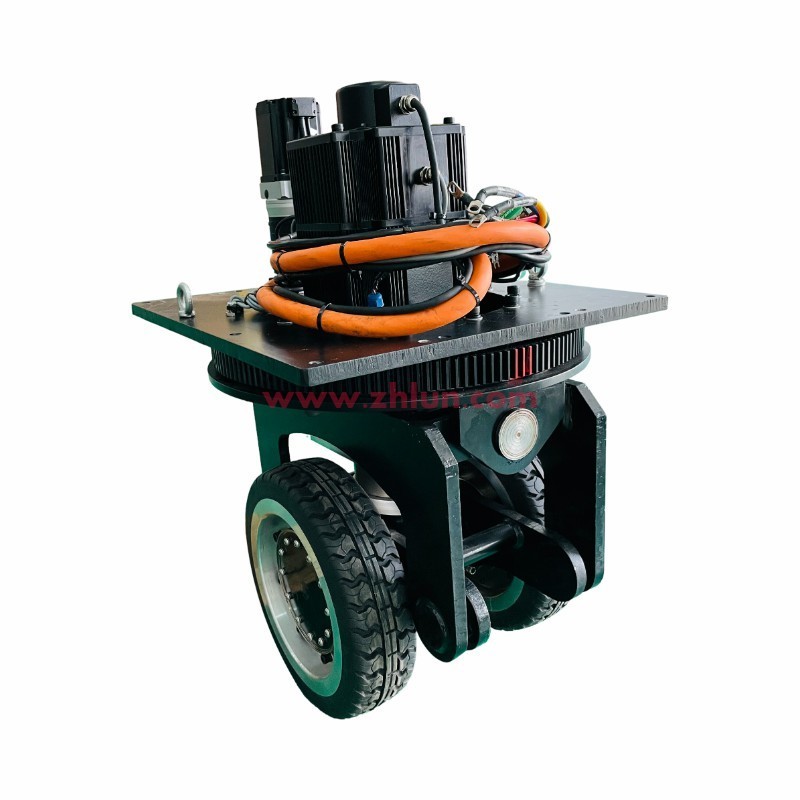
Electric differential drive wheels are a crucial component in today's automotive landscape, particularly for electric and hybrid vehicles. These wheels integrate advanced technologies to improve traction, stability, and maneuverability, making them a game-changer in the transmission system industry. Unlike traditional mechanical differentials, electric differential drive wheels utilize electric motors to independently control wheel speed and torque, allowing for precise handling and performance enhancement.
One of the primary advantages of electric differential drive wheels is their ability to provide instantaneous torque distribution. This feature allows for better handling in various driving conditions, such as slippery or uneven terrains. By adjusting power delivery to each wheel, electric differentials can prevent wheel slip, ensuring that a vehicle maintains optimal contact with the road surface. This capability is particularly beneficial in off-road situations or during adverse weather conditions, where traction is paramount.
Another significant aspect of electric differential drive wheels is their contribution to energy efficiency. In electric vehicles, where maximizing range is crucial, these systems can help optimize power usage by ensuring that energy is directed to the wheels that need it most. This not only enhances performance but also extends the vehicle's operational range, thereby increasing customer satisfaction and utility.
The technology behind electric differential drive wheels also involves advanced control algorithms and sensors that monitor various driving parameters in real-time. These systems continuously analyze data such as wheel speed, yaw rate, and steering angle to make rapid adjustments to power distribution. As a result, drivers experience a more connected and responsive driving experience, with improved stability during cornering and acceleration.
Moreover, electric differential drive wheels simplify the overall vehicle design. With fewer mechanical components compared to traditional differential systems, manufacturers can reduce weight and complexity. This simplification can lead to lower production costs and fewer maintenance requirements, ultimately benefiting both manufacturers and consumers.
In summary, electric differential drive wheels represent a significant advancement in automotive technology. By leveraging electric motors for differential functions, they enhance vehicle performance, improve energy efficiency, and simplify design. As the automotive industry continues to evolve towards electrification, understanding the role of electric differential drive wheels will be essential for professionals in the transmission system sector. Their integration into modern vehicles will likely become more prevalent, paving the way for future innovations in automotive engineering.
One of the primary advantages of electric differential drive wheels is their ability to provide instantaneous torque distribution. This feature allows for better handling in various driving conditions, such as slippery or uneven terrains. By adjusting power delivery to each wheel, electric differentials can prevent wheel slip, ensuring that a vehicle maintains optimal contact with the road surface. This capability is particularly beneficial in off-road situations or during adverse weather conditions, where traction is paramount.
Another significant aspect of electric differential drive wheels is their contribution to energy efficiency. In electric vehicles, where maximizing range is crucial, these systems can help optimize power usage by ensuring that energy is directed to the wheels that need it most. This not only enhances performance but also extends the vehicle's operational range, thereby increasing customer satisfaction and utility.
The technology behind electric differential drive wheels also involves advanced control algorithms and sensors that monitor various driving parameters in real-time. These systems continuously analyze data such as wheel speed, yaw rate, and steering angle to make rapid adjustments to power distribution. As a result, drivers experience a more connected and responsive driving experience, with improved stability during cornering and acceleration.
Moreover, electric differential drive wheels simplify the overall vehicle design. With fewer mechanical components compared to traditional differential systems, manufacturers can reduce weight and complexity. This simplification can lead to lower production costs and fewer maintenance requirements, ultimately benefiting both manufacturers and consumers.
In summary, electric differential drive wheels represent a significant advancement in automotive technology. By leveraging electric motors for differential functions, they enhance vehicle performance, improve energy efficiency, and simplify design. As the automotive industry continues to evolve towards electrification, understanding the role of electric differential drive wheels will be essential for professionals in the transmission system sector. Their integration into modern vehicles will likely become more prevalent, paving the way for future innovations in automotive engineering.
Related news
2026-05-23
Understanding Electric Differential Drive Wheels: Technology and Applications
Electric differential drive wheels are a crucial component in today's automotive landscape, particularly for electric and hybrid vehicles. These wheels integrate advanced technologies to improve traction, stability, and maneuverability, making them a game-changer in the transmission system industry. Unlike traditional mechanical differentials, electric differential drive wheels utilize electric mo
2026-05-22
Why Heavy-Duty Drive Wheels Are Essential for Heavy Machinery
Heavy machinery plays a crucial role in various industries, from construction and agriculture to mining and logistics. A key component of this machinery is the **heavy-duty drive wheel**, designed to support the demanding conditions these machines often encounter. In this article, we delve into why these wheels are not merely accessorie
2026-05-21
Understanding Motor Drive Wheels for Industrial AGV Robots in Transmission Systems
Motor drive wheels are essential components in industrial Automated Guided Vehicle (AGV) robots, particularly in applications related to transportation and logistics. In the context of the automotive and parts industry, understanding the intricacies of motor drive wheels can significantly enhance the performance and reliability of AGV systems. These wheels are designed to convert the rotational mo
Products
CopyRight © 2024 Guangzhou Wisdom Wheel Science Technology Ltd.
Powered by www.300.cn SEO Tags En_CityProduct
License