
News Categories
Why Heavy-Duty Drive Wheels Are Essential for Heavy Machinery
Release time:
2026-05-22
Why Heavy-Duty Drive Wheels Are Essential for Heavy Machinery
Heavy machinery plays a crucial role in various industries, from construction and agriculture to mining and logistics. A key component of this machinery is the **heavy-duty drive wheel**, designed to support the demanding conditions these machines often encounter. In this article, we delve into why these wheels are not merely accessories but essential elements that significantly impact the performance, efficiency, and safety of heavy equipment.
Understanding Heavy-Duty Drive Wheels
Heavy-duty drive wheels are specifically engineered to handle extreme loads and harsh environments. They are typically made from high-strength materials, such as steel or reinforced polymers, to withstand the stresses of heavy operations.
The Anatomy of Drive Wheels
1. **Material Composition**: The choice of material significantly affects the wheel's performance. Steel wheels provide exceptional strength, while polymer wheels are lighter and suitable for specific applications.
2. **Tread Design**: The tread patterns on heavy-duty drive wheels are designed to enhance traction and reduce slippage on various surfaces, making them ideal for off-road conditions.
3. **Bearing Systems**: Quality bearings are integral to the longevity and efficiency of drive wheels. They reduce friction, enabling smoother operation even under substantial loads.
Types of Heavy-Duty Drive Wheels
1. **Pneumatic Wheels**: These are air-filled and provide excellent shock absorption, making them ideal for uneven terrains.
2. **Solid Rubber Wheels**: These wheels offer durability and are puncture-resistant, making them suitable for indoor applications or smooth surfaces.
3. **Polyurethane Wheels**: Known for their resilience, these wheels are excellent for environments where chemical exposure is a concern.
The Importance of Heavy-Duty Drive Wheels in Heavy Machinery
Heavy-duty drive wheels are fundamental to the operation and safety of heavy machinery. Their significance can be broken down into several critical aspects.
1. Enhancing Load-Bearing Capacity
Heavy machinery often operates under substantial loads. Heavy-duty drive wheels are engineered to distribute these loads evenly, preventing undue wear and tear on both the wheels and the machinery itself. This load-bearing capacity is essential for avoiding breakdowns and ensuring longevity.
2. Improving Traction and Stability
The performance of heavy machinery is heavily reliant on traction. Heavy-duty drive wheels provide the necessary grip to navigate challenging terrains, maintaining stability during operation. This is particularly vital in construction sites or mining operations where uneven surfaces are common.
3. Promoting Safety Standards
Safety is paramount in heavy machinery operations. A malfunctioning or inadequate drive wheel can lead to accidents and injuries. Heavy-duty wheels are designed to meet stringent safety standards, reducing the risk of failure and contributing to safer work environments.
4. Enhancing Operational Efficiency
Heavy-duty drive wheels contribute to the overall efficiency of machinery. Their robust design allows for smoother operation, which can lead to reduced fuel consumption and lower operational costs. This efficiency translates directly into improved productivity and profitability for businesses.
Maintenance of Heavy-Duty Drive Wheels
To ensure the longevity and performance of heavy-duty drive wheels, regular maintenance is essential. Neglecting this aspect can lead to premature wear and potential machinery failure.
1. Regular Inspections
Conducting routine inspections allows operators to identify wear and tear early. Look for signs of cracking, uneven wear, or damage to the tread. Catching these issues early can prevent costly repairs down the line.
2. Proper Lubrication
Keeping bearings properly lubricated reduces friction and heat buildup, enhancing the lifespan of the wheels. Ensure that you use the recommended lubricants for your specific wheel type.
3. Cleaning and Debris Removal
Heavy-duty wheels often accumulate dirt, mud, and debris, especially in outdoor applications. Regular cleaning not only improves performance but also helps in identifying potential issues that could lead to failure.
4. Tire Pressure Maintenance
For pneumatic wheels, maintaining the proper tire pressure is crucial. Overinflated or underinflated tires can significantly affect traction and load-bearing capabilities.
Choosing the Right Heavy-Duty Drive Wheels
Selecting the appropriate heavy-duty drive wheels for your machinery is critical to ensuring optimal performance. Consider the following factors when making your choice.
1. Load Requirements
Assess the weight capacity of the machinery and choose wheels that can handle the expected loads. It’s essential to factor in not only the weight of the machine but also any additional loads it may carry during operation.
2. Terrain and Environment
Evaluate the environment in which the machinery will operate. For example, if the equipment will be used in muddy or uneven landscapes, pneumatic wheels may be more suitable due to their shock-absorbing properties.
3. Wheel Design
The design of the wheel, including its tread pattern and diameter, should align with the specific operational requirements. A larger diameter wheel may be beneficial for certain applications, while specialized tread patterns can enhance performance on specific surfaces.
4. Manufacturer Reputation
Choose wheels from reputable manufacturers known for their quality and reliability. Investing in well-engineered products can save you time and money in the long run.
FAQs About Heavy-Duty Drive Wheels
1. What materials are heavy-duty drive wheels made from?
Heavy-duty drive wheels are typically made from high-strength materials such as steel, solid rubber, or polyurethane.
2. How do I determine the right size of drive wheels for my equipment?
The right size depends on the load capacity and the specific operational requirements of your machinery. Consult the manufacturer's specifications for guidance.
3. Can heavy-duty drive wheels be used in extreme weather conditions?
Yes, many heavy-duty drive wheels are designed to withstand various weather conditions, but it's essential to choose the right material for the specific environment.
4. How often should I inspect my heavy-duty drive wheels?
Regular inspections are recommended, typically every few months or more frequently if the machinery operates in harsh conditions.
5. What are the signs of wear in drive wheels?
Look for uneven wear patterns, cracks, or damage to the tread. Any noticeable changes in performance should also be investigated immediately.
Conclusion
In conclusion, heavy-duty drive wheels play an indispensable role in the functionality and safety of heavy machinery. Their ability to support substantial loads, provide excellent traction, and enhance overall efficiency makes them a vital component in various industrial applications. By understanding their importance and investing in regular maintenance, businesses can ensure their machinery operates at peak performance, ultimately driving productivity and success. Choosing the right heavy-duty drive wheels and adhering to maintenance best practices can significantly impact the longevity and reliability of heavy machinery, making them a critical focus for any operation in the industry.
Related news

2026-05-22
Why Heavy-Duty Drive Wheels Are Essential for Heavy Machinery
Why Heavy-Duty Drive Wheels Are Essential for Heavy Machinery
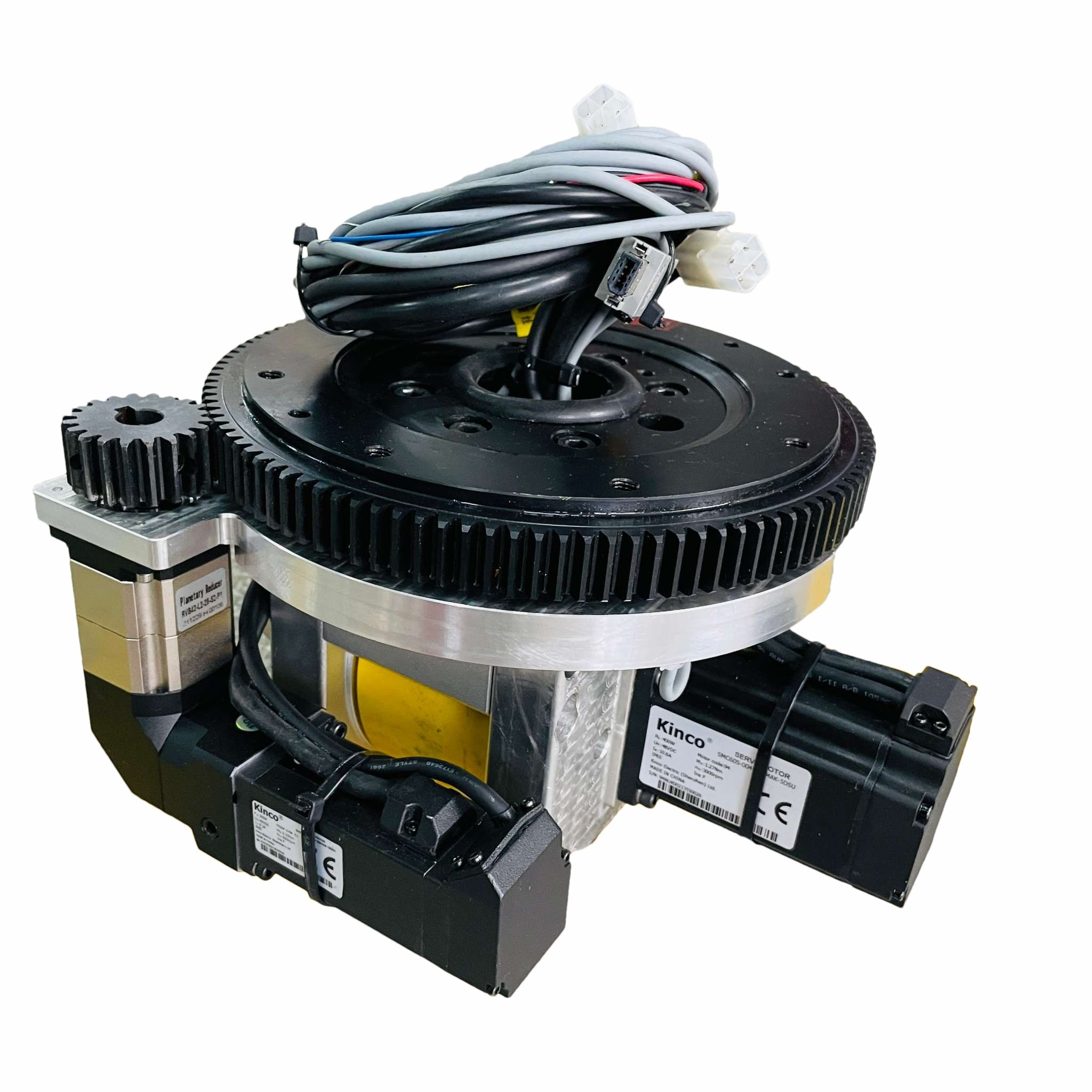
Heavy machinery plays a crucial role in various industries, from construction and agriculture to mining and logistics. A key component of this machinery is the **heavy-duty drive wheel**, designed to support the demanding conditions these machines often encounter. In this article, we delve into why these wheels are not merely accessorie
2026-05-21
Understanding Motor Drive Wheels for Industrial AGV Robots in Transmission Systems
Motor drive wheels are essential components in industrial Automated Guided Vehicle (AGV) robots, particularly in applications related to transportation and logistics. In the context of the automotive and parts industry, understanding the intricacies of motor drive wheels can significantly enhance the performance and reliability of AGV systems. These wheels are designed to convert the rotational mo

2026-05-20
The Role of Heavy Duty Robot Drive Wheels in Enhancing Vehicle Durability
The Role of Heavy Duty Robot Drive Wheels in Enhancing Vehicle Durability
In the ever-evolving landscape of vehicle technology, heavy-duty robot drive wheels have emerged as a game-changer, particularly in the realm of vehicle durability. These wheels are not merely components; they are vital elements that enhance performance, efficiency, and longevity across various applications. From industrial
Products

Guangzhou Wisdom Wheel Science Technology Ltd.
No. 1436, Guangcong 9th Road, Guangzhou, Guangdong, China
Whatsapp/MB: Kelly +86-18102686399
Jackson +8615012435018
Candy:+86 19396885135

CopyRight © 2024 Guangzhou Wisdom Wheel Science Technology Ltd.
Powered by www.300.cn SEO Tags En_CityProduct
License