
The Role of Heavy Duty Robot Drive Wheels in Enhancing Vehicle Durability
Release time:
2026-05-20
The Role of Heavy Duty Robot Drive Wheels in Enhancing Vehicle Durability
In the ever-evolving landscape of vehicle technology, heavy-duty robot drive wheels have emerged as a game-changer, particularly in the realm of vehicle durability. These wheels are not merely components; they are vital elements that enhance performance, efficiency, and longevity across various applications. From industrial robots to autonomous vehicles, the significance of robust drive wheels cannot be overstated. This article delves into the intricate role of heavy-duty robot drive wheels, exploring their construction, benefits, and the future of vehicle durability.
Table of Contents
- Understanding Heavy Duty Robot Drive Wheels
- Importance of Durability in Automotive Design
- Mechanical Properties of Drive Wheels
- Advantages of Heavy Duty Drive Wheels
- Applications in Industrial Robots and Vehicles
- Technological Advancements in Drive Wheel Design
- Maintaining Heavy Duty Drive Wheels
- Future Trends in Drive Wheel Technology
- FAQs About Heavy Duty Robot Drive Wheels
Understanding Heavy Duty Robot Drive Wheels
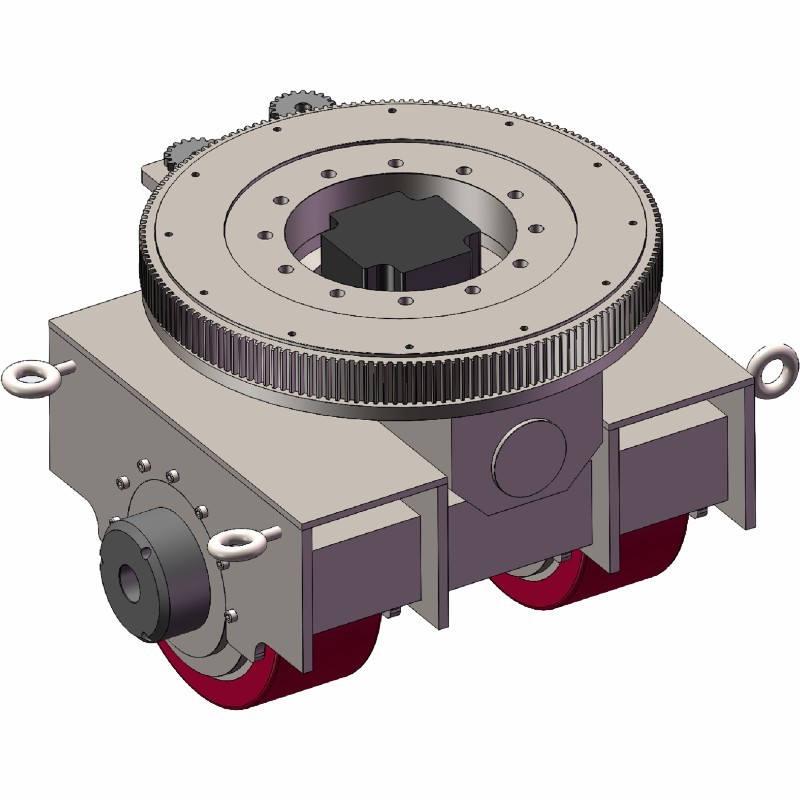
Heavy-duty robot drive wheels are engineered for optimal performance in rigorous conditions. These wheels are designed to support the weight and functionality of various vehicles, particularly in challenging environments. They feature advanced materials such as reinforced rubber and composite alloys, which provide enhanced traction and durability. Unlike standard wheels, heavy-duty options are built to withstand significant stress while enabling precise movement.
Moreover, the design of these wheels often incorporates unique tread patterns that enhance grip and stability. Understanding their construction and functionality is essential in appreciating how they improve overall vehicle performance.
Importance of Durability in Automotive Design
In the automotive industry, durability is a critical factor that influences design and engineering decisions. Vehicles must endure a variety of stresses, from heavy loads to challenging terrains. The durability of vehicle components, particularly drive wheels, directly impacts safety, performance, and maintenance costs.
Durable components minimize wear and tear, reducing the frequency of replacements and repairs. This not only benefits manufacturers by lowering production costs but also provides consumers with reliable vehicles that perform consistently over time. Heavy-duty robot drive wheels epitomize this philosophy, offering robust solutions that enhance the longevity of vehicles.
Mechanical Properties of Drive Wheels
The mechanical properties of heavy-duty drive wheels are crucial in defining their performance. These properties include tensile strength, elasticity, and impact resistance. A wheel with high tensile strength can support greater loads without deforming or breaking, while elasticity allows it to absorb shocks, which is essential in maintaining stability during operation.
Additionally, impact resistance helps protect the wheels from damage caused by obstacles or uneven surfaces. Together, these properties ensure that heavy-duty robot drive wheels can perform reliably in various conditions, enhancing the overall durability of the vehicles they support.
Advantages of Heavy Duty Drive Wheels
Heavy-duty robot drive wheels offer several advantages that enhance vehicle durability:
1. Enhanced Load-Bearing Capacity
These wheels are designed to handle greater weights, making them ideal for industrial applications where heavy loads are common. This enhanced capacity reduces the risk of wheel failure under stress.
2. Improved Traction and Stability
The advanced tread designs and materials used in heavy-duty wheels provide superior traction, increasing stability during operation. This is particularly important for vehicles operating on uneven or slippery surfaces.
3. Reduced Maintenance Costs
With their robust construction, heavy-duty wheels require less frequent replacements and repairs. This not only saves money but also minimizes downtime for vehicles, improving operational efficiency.
4. Versatility Across Applications
Heavy-duty robot drive wheels are suitable for various applications, from warehouse robots to construction vehicles. Their adaptability makes them a go-to choice for manufacturers.
5. Safety Enhancements
By providing better traction and stability, these wheels contribute to safer vehicle operation, reducing the likelihood of accidents and injuries in industrial settings.
Applications in Industrial Robots and Vehicles
Heavy-duty robot drive wheels find extensive applications in various sectors:
1. Warehousing and Logistics
In warehouse settings, autonomous robots equipped with heavy-duty wheels navigate through aisles, transporting goods efficiently. Their durability ensures minimal disruption due to wear and tear.
2. Construction and Heavy Machinery
Construction vehicles, such as excavators and forklifts, rely on heavy-duty wheels to navigate rough terrain. The robust design allows these machines to perform optimally under heavy loads.
3. Agricultural Equipment
In agriculture, tractors and harvesters equipped with heavy-duty wheels can traverse uneven fields, providing stability and performance crucial for effective farming operations.
4. Mining Operations
Heavy-duty wheels are essential in mining, where vehicles must handle extreme conditions and heavy loads, maintaining functionality and safety.
5. Autonomous Vehicles
With the rise of autonomous technology, heavy-duty wheels play a vital role in ensuring these vehicles can operate reliably in various environments, promoting safety and efficiency.
Technological Advancements in Drive Wheel Design
The design and technology behind heavy-duty robot drive wheels are continually evolving. Innovations such as smart materials and advanced manufacturing processes are enhancing their performance:
1. Smart Materials
New materials that respond to environmental conditions are being developed. These smart materials can adjust their properties based on temperature or load, providing optimal performance in varying situations.
2. 3D Printing
3D printing technology allows for the rapid prototyping and manufacturing of custom wheel designs, enabling manufacturers to optimize performance for specific applications.
3. Enhanced Durability Testing
Advancements in testing methodologies provide a better understanding of how wheels perform under extreme conditions, leading to improved designs that enhance longevity and reliability.
4. Integration of IoT Technology
The integration of IoT technology in wheels offers real-time monitoring of performance, enabling predictive maintenance and reducing the risk of unexpected failures.
Maintaining Heavy Duty Drive Wheels
Proper maintenance of heavy-duty drive wheels is essential to ensure their longevity and performance:
1. Regular Inspections
Conducting regular inspections helps identify wear and tear, enabling timely replacements and repairs that prevent further damage.
2. Cleaning and Lubrication
Keeping wheels clean and lubricated reduces friction and wear, enhancing their lifespan and performance.
3. Monitoring Load Distribution
Ensuring even load distribution prevents uneven wear, prolonging the life of both the wheels and the vehicle.
4. Adhering to Manufacturer Guidelines
Following the manufacturer's maintenance recommendations is crucial for optimal performance and longevity of heavy-duty drive wheels.
Future Trends in Drive Wheel Technology
Looking forward, several trends are shaping the future of heavy-duty robot drive wheels:
1. Sustainable Materials
As environmental concerns continue to rise, the development of sustainable materials for wheel construction is becoming a priority, promoting eco-friendly manufacturing processes.
2. Increased Automation
The rise of automation in various industries will necessitate even more durable and reliable wheels, driving innovation in design and technology.
3. Enhanced Performance Metrics
Future advancements will likely focus on improving performance metrics, such as load capacity and lifespan, ensuring that heavy-duty wheels meet the demands of increasingly complex applications.
4. Customization Options
As industries seek specialized solutions, the ability to customize drive wheels for specific applications will become increasingly important, enabling manufacturers to meet diverse needs.
FAQs About Heavy Duty Robot Drive Wheels
1. What materials are used in heavy-duty robot drive wheels?
Heavy-duty robot drive wheels are typically made from reinforced rubber and composite materials to enhance durability and performance.
2. How do I determine the right size of drive wheel for my vehicle?
Choosing the right size involves considering the vehicle's weight, intended use, and the terrain it will navigate. Consulting with manufacturers or industry experts can provide guidance.
3. How often should heavy-duty drive wheels be inspected?
Regular inspections are recommended every few months, or more frequently in high-use applications, to ensure optimal performance and safety.
4. Can heavy-duty robot drive wheels be used in all environments?
While these wheels are designed for durability, the specific environmental conditions should be considered. Some wheels are optimized for certain terrains or applications.
5. What are the signs that my heavy-duty drive wheels need replacement?
Signs of wear include cracks, uneven tread wear, and reduced traction. If performance diminishes or if physical damage is evident, it may be time for a replacement.
Conclusion
Heavy-duty robot drive wheels play a pivotal role in enhancing vehicle durability across various applications. Their robust design, advanced materials, and innovative technology provide unmatched performance, ensuring that vehicles can handle demanding tasks with ease. As industries continue to evolve, the importance of durable components like drive wheels will only grow, shaping the future of vehicle engineering. Investing in high-quality heavy-duty drive wheels is essential for businesses aiming to enhance efficiency, safety, and overall operational success.
Related news

2026-10-03
Heavy Duty Robot Drive Wheels vs. Standard Wheels: What’s the Difference?
2026-10-02
Understanding Differential Motor Drive Wheels: Enhancing Vehicle Performance

2026-10-01
Key Features of Electric Differential Drive Wheels That Make a Difference
Products

Guangzhou Wisdom Wheel Science Technology Ltd.
No. 1436, Guangcong 9th Road, Guangzhou, Guangdong, China
Whatsapp/MB: Kelly +86-18102686399
Jackson +8615012435018
Candy:+86 19396885135

CopyRight © 2024 Guangzhou Wisdom Wheel Science Technology Ltd.
Powered by www.300.cn SEO Tags En_CityProduct