
News Categories
Optimizing Motor Drive Wheels for Industrial AGV Robots: Key Considerations and Innovations
Release time:
2026-04-09
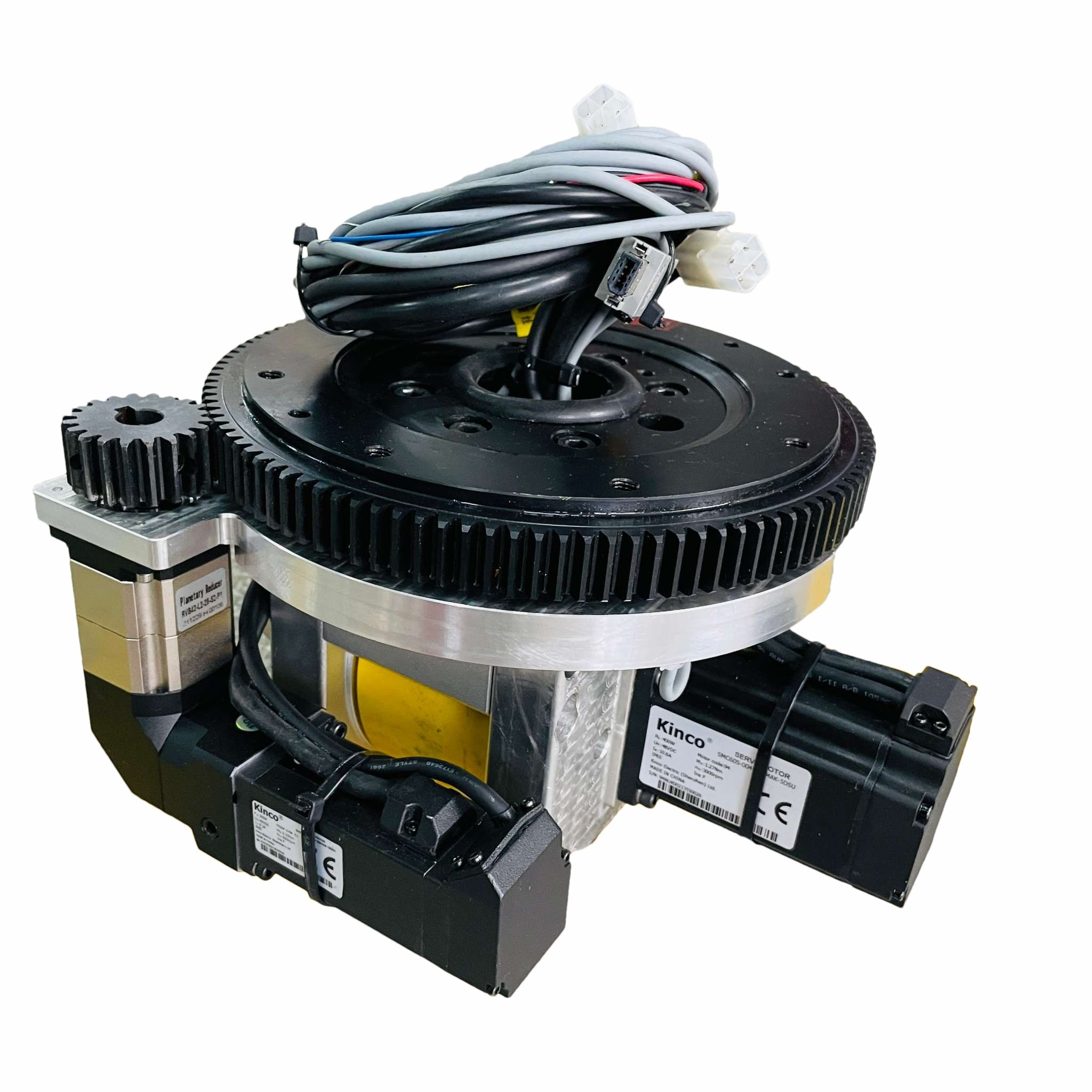
In the realm of industrial automation, Automated Guided Vehicles (AGVs) have emerged as pivotal elements in enhancing operational efficiency. Central to the performance of these AGVs is the motor drive wheel, a critical component that directly influences mobility, load capacity, and overall functionality. Understanding the factors that contribute to the effectiveness of motor drive wheels can aid professionals in the automotive and parts industry—particularly those focused on drive systems and differential assemblies.
One of the primary considerations when selecting motor drive wheels is the type of terrain the AGVs will navigate. Whether the surface is smooth, uneven, or includes ramps, the wheel's design must accommodate these variations. For industrial environments, wheels designed with high durability and superior traction are essential. Materials like polyurethane or rubber are often preferred due to their resilience and ability to reduce noise levels while providing a firm grip on various surfaces.
Furthermore, the size and diameter of the motor drive wheel significantly impact the AGV's speed and agility. Larger wheels typically facilitate smoother navigation over obstacles, while smaller wheels may be better suited for tight spaces. It's vital for professionals in the field to evaluate the operational requirements of their specific applications to determine the optimal wheel size for their AGVs.
Another crucial factor is the integration of advanced technologies in motor drive wheels. Innovations such as embedded sensors for real-time data collection can enhance the performance of AGVs. These sensors can monitor wheel wear, track performance metrics, and provide feedback that can inform maintenance schedules, ensuring that the AGV operates at peak efficiency.
Additionally, research into energy efficiency is becoming increasingly essential. Motor drive wheels that optimize energy consumption can significantly reduce operational costs, making AGVs more sustainable in the long run. Understanding the relationship between wheel design and energy usage can empower professionals to make informed decisions regarding their AGV systems.
Lastly, the adaptability of motor drive wheels to various AGV configurations should not be overlooked. As industries evolve and adapt to new technologies, the components of AGVs must also be flexible to accommodate changes, such as increased payload or enhanced navigation systems.
In conclusion, the selection and optimization of motor drive wheels for industrial AGV robots involve a multifaceted approach that considers terrain, size, technological integration, energy efficiency, and adaptability. By focusing on these key areas, professionals in the automotive and parts industry can enhance the performance and reliability of their AGV systems, ultimately leading to improved operational efficiency and a competitive edge in the market.
One of the primary considerations when selecting motor drive wheels is the type of terrain the AGVs will navigate. Whether the surface is smooth, uneven, or includes ramps, the wheel's design must accommodate these variations. For industrial environments, wheels designed with high durability and superior traction are essential. Materials like polyurethane or rubber are often preferred due to their resilience and ability to reduce noise levels while providing a firm grip on various surfaces.
Furthermore, the size and diameter of the motor drive wheel significantly impact the AGV's speed and agility. Larger wheels typically facilitate smoother navigation over obstacles, while smaller wheels may be better suited for tight spaces. It's vital for professionals in the field to evaluate the operational requirements of their specific applications to determine the optimal wheel size for their AGVs.
Another crucial factor is the integration of advanced technologies in motor drive wheels. Innovations such as embedded sensors for real-time data collection can enhance the performance of AGVs. These sensors can monitor wheel wear, track performance metrics, and provide feedback that can inform maintenance schedules, ensuring that the AGV operates at peak efficiency.
Additionally, research into energy efficiency is becoming increasingly essential. Motor drive wheels that optimize energy consumption can significantly reduce operational costs, making AGVs more sustainable in the long run. Understanding the relationship between wheel design and energy usage can empower professionals to make informed decisions regarding their AGV systems.
Lastly, the adaptability of motor drive wheels to various AGV configurations should not be overlooked. As industries evolve and adapt to new technologies, the components of AGVs must also be flexible to accommodate changes, such as increased payload or enhanced navigation systems.
In conclusion, the selection and optimization of motor drive wheels for industrial AGV robots involve a multifaceted approach that considers terrain, size, technological integration, energy efficiency, and adaptability. By focusing on these key areas, professionals in the automotive and parts industry can enhance the performance and reliability of their AGV systems, ultimately leading to improved operational efficiency and a competitive edge in the market.
Related news
2026-04-09
Optimizing Motor Drive Wheels for Industrial AGV Robots: Key Considerations and Innovations
In the realm of industrial automation, Automated Guided Vehicles (AGVs) have emerged as pivotal elements in enhancing operational efficiency. Central to the performance of these AGVs is the motor drive wheel, a critical component that directly influences mobility, load capacity, and overall functionality. Understanding the factors that contribute to the effectiveness of motor drive wheels can aid
2026-04-08
Heavy Duty Robot Drive Wheels: Key Innovations and Trends to Watch
Table of Contents
1. Introduction to Heavy Duty Robot Drive Wheels
2. Importance of Drive Wheels in Robotics
3. Key Innovations in Heavy Duty Robot Drive Wheels
4. Advanced Technologies Driving Modern Designs
5. Current Trends to Watch in the Industry
6. Applications of Heavy Duty Robot Drive Wheels
7
2026-04-07
Understanding Differential Motor Drive Wheels: Key Insights for Automotive Professionals
Differential motor drive wheels play a crucial role in the automotive transmission and drivetrain systems, especially within differential assemblies. Understanding their function and operation is vital for professionals in the automotive and motorcycle industry, particularly those working with transmission systems and differential units.
A differential motor drive wheel is an integral component th
Products
CopyRight © 2024 Guangzhou Wisdom Wheel Science Technology Ltd.
Powered by www.300.cn SEO Tags En_CityProduct
License