
News Categories
Why Electric Differential Drive Wheels Are Revolutionizing Automotive Systems
Release time:
2026-04-06
Why Electric Differential Drive Wheels Are Revolutionizing Automotive Systems
Table of Contents
1. Introduction to Electric Differential Drive Wheels
2. Understanding the Basics of Differential Drive Systems
3. The Mechanics of Electric Differential Drive Wheels
4. Advantages of Electric Differential Drive Wheels
4.1 Enhanced Performance and Control
4.2 Improved Fuel Efficiency and Sustainability
4.3 Increased Safety Features
5. Applications in Modern Automotive Systems
5.1 Electric Vehicles (EVs)
5.2 Autonomous Vehicles
6. Future Trends in Differential Drive Technology
7. Challenges Facing Electric Differential Drive Wheels
8. Frequently Asked Questions (FAQs)
9. Conclusion
1. Introduction to Electric Differential Drive Wheels
Electric differential drive wheels are at the forefront of automotive innovation, shaping the future of vehicle dynamics and overall performance. As the automotive industry increasingly shifts towards electrification, these advanced systems are revolutionizing how power is distributed among wheels, providing improved handling, efficiency, and safety. This article delves deep into the mechanics, benefits, and future of electric differential drive wheels, illustrating their critical role in modern automotive systems.
2. Understanding the Basics of Differential Drive Systems
Differential drive systems have long been essential components of automotive engineering. These systems allow wheels to rotate at different speeds, crucial for navigating turns efficiently. Traditional mechanical differentials rely on gears and physical components to achieve this, often leading to limitations in performance and efficiency. Transitioning to electric differential drive wheels introduces a new paradigm, allowing for greater customization and adaptability in vehicle performance.
3. The Mechanics of Electric Differential Drive Wheels
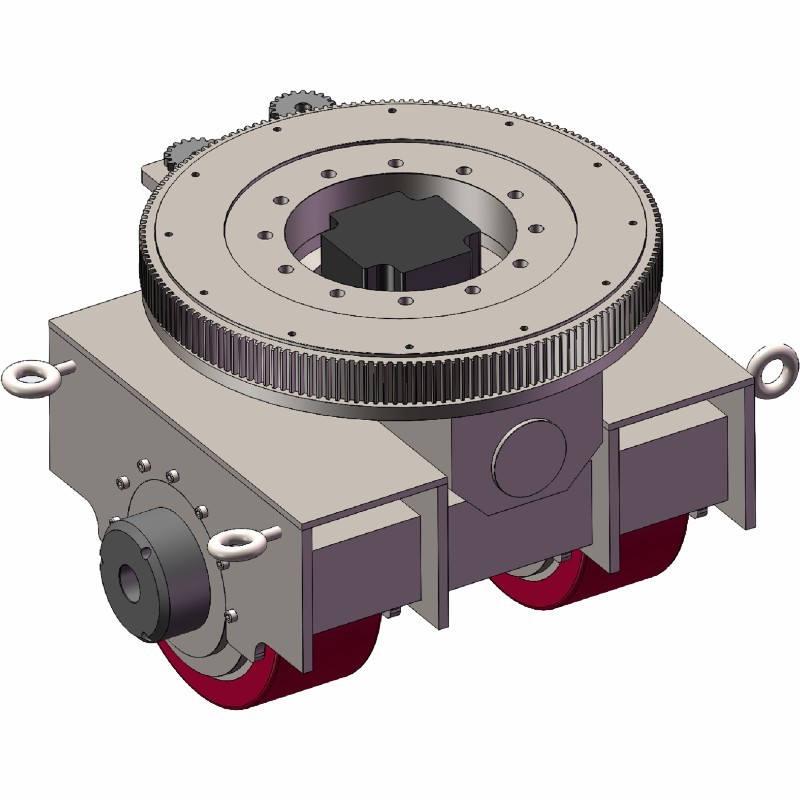
Electric differential drive wheels operate using electric motors instead of conventional gear-based systems. By integrating electric motors directly into the wheel hub or axle, engineers can achieve precise control over wheel speed and torque distribution. This design not only reduces mechanical complexity but also enhances the overall responsiveness of the vehicle.
The core of electric differential systems lies in their ability to independently control each wheel's speed. This independent control is achieved through advanced software algorithms that monitor various parameters such as vehicle speed, steering input, and road conditions. Such systems can dynamically adjust torque distribution, allowing vehicles to optimize traction and stability in real time.
4. Advantages of Electric Differential Drive Wheels
Electric differential drive wheels offer a multitude of benefits, enhancing vehicle performance, efficiency, and safety. Below, we explore some of the most significant advantages.
4.1 Enhanced Performance and Control
One of the most remarkable benefits of electric differential drive wheels is their ability to improve vehicle handling. By enabling precise control over wheel speeds, these systems enhance cornering performance and stability. For instance, during a turn, the electric motors can provide additional torque to the outer wheels, ensuring the vehicle maintains optimal grip and reduces the likelihood of skidding.
4.2 Improved Fuel Efficiency and Sustainability
Electric differential drive systems contribute significantly to fuel efficiency. Traditional differentials often waste energy through mechanical friction and heat. In contrast, electric systems minimize energy loss and maximize power delivery to the wheels. This efficiency translates not only to better fuel economy for internal combustion engines but also extends the range of electric vehicles, making them more sustainable.
4.3 Increased Safety Features
Safety is paramount in automotive design, and electric differential drive wheels enhance this aspect through better stability control and traction management. By continuously adjusting the torque sent to each wheel, these systems can help prevent wheel slip and loss of control in challenging driving conditions, such as wet or icy roads.
5. Applications in Modern Automotive Systems
Electric differential drive wheels have found applications in various sectors of the automotive industry, notably in electric and autonomous vehicles.
5.1 Electric Vehicles (EVs)
In electric vehicles, electric differential systems are crucial for maximizing performance and efficiency. By allowing for real-time adjustments to wheel speed and torque distribution, these systems can significantly enhance the driving experience. EV manufacturers are increasingly adopting this technology to provide smoother and more responsive handling.
5.2 Autonomous Vehicles
For autonomous vehicles, electric differential drive wheels are essential. The ability to manipulate wheel speed independently facilitates advanced driving maneuvers and enhances safety protocols. This feature is critical for navigating complex environments and ensuring passenger safety in fully automated driving scenarios.
6. Future Trends in Differential Drive Technology
The future of electric differential drive wheels looks promising as automotive technology continues to evolve. Several trends are emerging that will shape the development of these systems:
1. **Integration with Advanced Driver-Assistance Systems (ADAS)**: Electric differential systems are likely to become more integrated with ADAS, enhancing vehicle safety and automation.
2. **Increased Use of Artificial Intelligence**: AI will play a significant role in predicting driving conditions and adjusting torque distribution dynamically, further enhancing performance and safety.
3. **Improved Energy Storage Solutions**: As battery technology advances, the efficiency and range of electric differential systems will also improve, making them more viable for a broader range of vehicles.
7. Challenges Facing Electric Differential Drive Wheels
Despite their many advantages, electric differential drive wheels face several challenges that must be addressed for widespread adoption:
1. **Cost**: The initial investment for electric differential systems can be higher than traditional systems, which may deter some manufacturers.
2. **Complexity in Integration**: Integrating these systems with existing vehicle architectures can be challenging, requiring significant engineering resources.
3. **Durability and Reliability**: As with any new technology, ensuring that electric differential drive systems are durable and reliable over the vehicle's lifespan is crucial to gaining consumer trust.
8. Frequently Asked Questions (FAQs)
What are electric differential drive wheels?
Electric differential drive wheels are advanced systems that use electric motors to independently control the speed and torque of each wheel, enhancing vehicle performance and efficiency.
How do electric differential drive wheels improve vehicle handling?
These systems provide precise control over wheel speeds, allowing for better cornering performance and stability during turns.
Are electric differential drive wheels more efficient than traditional systems?
Yes, electric differential drive wheels minimize energy loss and maximize power delivery, resulting in improved fuel efficiency and range for electric vehicles.
Can electric differential drive wheels enhance safety?
Yes, by continuously adjusting torque to each wheel, these systems can help prevent loss of control and improve stability in adverse conditions.
What is the future of electric differential drive technology?
The technology is expected to evolve with advances in AI, better energy storage solutions, and increased integration with driver-assistance systems.
9. Conclusion
Electric differential drive wheels are not merely an innovation; they represent a fundamental shift in automotive technology, enhancing performance, efficiency, and safety. As the automotive industry continues to embrace electrification and automation, these systems will play a pivotal role in shaping the future of vehicle dynamics. By understanding and investing in electric differential technology, manufacturers can position themselves at the forefront of this automotive revolution, ensuring a safer, more efficient driving experience for all.
Related news

2026-10-03
Heavy Duty Robot Drive Wheels vs. Standard Wheels: What’s the Difference?
Heavy Duty Robot Drive Wheels vs. Standard Wheels: What’s the Difference?
In the realm of robotics, the choice of wheels plays a pivotal role in the performance and efficiency of robotic systems. Whether you’re designing a robust industrial robot or a lightweight consumer-grade model, understanding the differences between **heavy-duty robot drive wheels** and **standard wheels** is essential. This
2026-10-02
Understanding Differential Motor Drive Wheels: Enhancing Vehicle Performance
Differential motor drive wheels play a crucial role in the overall performance and efficiency of vehicles, particularly in the context of their transmission systems. At its core, a differential allows for the independent rotation of wheels on the same axle, which is especially important when a vehicle navigates turns. The outer wheel travels a longer distance compared to the inner wheel, and the d

2026-10-01
Key Features of Electric Differential Drive Wheels That Make a Difference
Key Features of Electric Differential Drive Wheels That Make a Difference
Introduction to Electric Differential Drive Wheels
Electric differential drive wheels are revolutionizing the automotive industry, offering innovative solutions that enhance vehicle performance, efficiency, and driving experience. As the demand for electric vehicles (EVs) grows, understanding the key features that set these
Products

Guangzhou Wisdom Wheel Science Technology Ltd.
No. 1436, Guangcong 9th Road, Guangzhou, Guangdong, China
Whatsapp/MB: Kelly +86-18102686399
Jackson +8615012435018
Candy:+86 19396885135

CopyRight © 2024 Guangzhou Wisdom Wheel Science Technology Ltd.
Powered by www.300.cn SEO Tags En_CityProduct
License