
News Categories
How to Enhance Performance with Differential Motor Drive Wheels
Release time:
2026-04-02
How to Enhance Performance with Differential Motor Drive Wheels
Table of Contents
- Understanding Differential Motor Drive Wheels
- Importance of Performance Enhancement
- Key Components of Differential Systems
- Types of Differential Systems
- Enhancing Performance with Advanced Technology
- Tuning Your Differential for Optimal Performance
- Maintaining Your Differential System
- FAQs
- Conclusion
Understanding Differential Motor Drive Wheels
Differential motor drive wheels are pivotal in enhancing vehicle performance, particularly in terms of handling and traction. They allow the wheels to rotate at different speeds, which is crucial during cornering. When a vehicle turns, the outside wheels cover a longer distance than the inside wheels. By enabling this differential motion, these systems improve maneuverability and reduce tire wear.
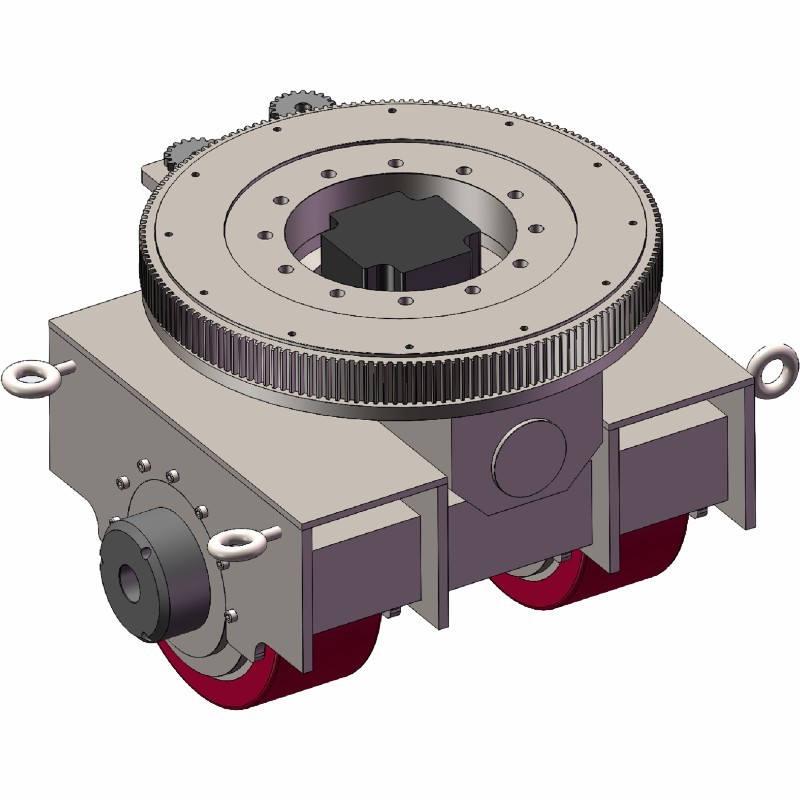
In essence, a differential system comprises various components, including gears, bearings, and housings. Understanding how these elements work together is the first step toward optimizing your vehicle's performance.
Importance of Performance Enhancement
Enhancing vehicle performance is not merely about speed; it's also about improving safety and efficiency. A well-tuned differential system contributes significantly to overall vehicle dynamics, enabling better acceleration, braking, and cornering. This enhancement results in a more enjoyable driving experience and can also lead to improved fuel efficiency.
Moreover, in competitive driving scenarios, a properly functioning differential system can be the difference between victory and defeat. Therefore, understanding how to maximize this system's capabilities is essential for both everyday drivers and motorsport enthusiasts.
Key Components of Differential Systems
To appreciate how to enhance performance with differential motor drive wheels, one must first comprehend the essential components involved in a differential system:
1. Gears
Gears are the heart of the differential system. There are typically two main types: the ring gear and the pinion gear. The ring gear is connected to the drive shaft, while the pinion gear engages with it to facilitate power transfer. The gear ratio plays a crucial role in determining how much torque is transmitted to the wheels.
2. Bearings
Bearings support the gears and help reduce friction. Properly maintained bearings are essential for smooth operation and longevity of the differential system.
3. Housings
The housing protects the internal components of the differential. It is designed to withstand the stresses and strains of driving, ensuring that the gears and bearings remain in optimal condition.
4. Lubrication System
A robust lubrication system is vital for minimizing friction and heat generation within the differential. Regularly checking and replacing differential fluid is crucial to maintaining performance.
Types of Differential Systems
Understanding the different types of differential systems can help in selecting the right one for performance enhancement:
1. Open Differential
An open differential is the most common type, providing equal power to both wheels. While effective for general driving, it can be inefficient in low traction scenarios, as power may be lost to the wheel with less grip.
2. Limited-Slip Differential (LSD)
An LSD offers better traction by allowing some slip between the wheels. This feature is particularly beneficial for performance driving, as it helps maintain control during sharp turns.
3. Locking Differential
Locking differentials can lock both wheels together for maximum traction. This is ideal for off-road driving or situations requiring enhanced grip, but may compromise handling on paved surfaces.
4. Torque-Vectoring Differential
Torque-vectoring differentials provide the most advanced performance capabilities. They can distribute power between the wheels based on various factors, such as traction and steering input. This system greatly enhances cornering stability and overall vehicle dynamics.
Enhancing Performance with Advanced Technology
As technology evolves, so does the potential to enhance differential performance. Here are several advances that can significantly improve vehicle dynamics:
1. Electronic Differential Locking
This technology uses sensors to monitor wheel speed and traction, allowing for real-time adjustments to power distribution. It enhances performance by optimizing grip based on driving conditions.
2. Adaptive Differential Systems
Adaptive differentials can adjust their characteristics based on driving style and road conditions. By analyzing inputs from the driver and the environment, these systems can enhance performance dynamically.
3. Performance-Oriented Gearing
Upgrading to performance-oriented gear ratios can significantly improve acceleration and responsiveness. This modification can alter how quickly power is applied to the wheels, enhancing overall performance.
Tuning Your Differential for Optimal Performance
Proper tuning of your differential can maximize its potential. Here are some key steps to consider:
1. Fluid Selection and Maintenance
Choosing the right differential fluid is crucial. High-quality synthetic oils can offer better protection and performance. Regular fluid changes help maintain optimal function.
2. Gear Ratio Adjustments
Changing the gear ratio can provide significant changes in performance. Lower ratios offer better acceleration, while higher ratios may improve fuel efficiency at higher speeds.
3. Upgrading Components
Investing in high-performance components, such as stronger gears and bearings, can enhance durability and performance. This is particularly relevant for vehicles subjected to high-stress conditions.
4. Professional Tuning
Consulting with a professional who specializes in differential systems can provide insights into achieving the best setup for your specific needs. They can offer tailored solutions based on your driving style and vehicle usage.
Maintaining Your Differential System
Regular maintenance is key to ensuring the longevity and performance of your differential system:
1. Regular Inspections
Conduct periodic inspections to check for wear, leaks, and other potential issues. Early detection can prevent costly repairs down the line.
2. Fluid Changes
Following the manufacturer's recommended schedule for fluid changes is crucial. Contaminated or degraded fluid can lead to severe damage.
3. Bearing Maintenance
Bearings should be inspected and serviced regularly. Signs of wear can lead to increased friction and reduced performance.
4. Adjustments and Upgrades
As driving styles and conditions change, it may be necessary to adjust or upgrade components to maintain optimal performance.
FAQs
1. What is the primary role of a differential in a vehicle?
The primary role of a differential is to allow the wheels to rotate at different speeds, especially during turns, improving handling and traction.
2. How can I tell if my differential needs maintenance?
Signs of a malfunctioning differential may include unusual noises, vibrations, or leaking fluids. Regular inspections can help identify issues early.
3. What are the benefits of upgrading my differential?
Upgrading your differential can enhance performance, improve traction, and increase overall vehicle handling, especially in high-performance or off-road applications.
4. Is it necessary to use synthetic fluid in my differential?
While not strictly necessary, synthetic fluid often offers better performance and protection, especially in extreme driving conditions.
5. Can I tune my differential on my own?
While some adjustments can be made at home, professional tuning is recommended to ensure optimal performance and avoid potential damage.
Conclusion
Enhancing performance with differential motor drive wheels is an intricate process that requires a deep understanding of the system's components and their interactions. By investing in advanced technologies, tuning your differential, and adhering to maintenance best practices, you can significantly improve your vehicle's performance, handling, and efficiency. Armed with this knowledge, you're better equipped to make informed decisions that will elevate your driving experience to new heights.
Related news

2026-10-03
Heavy Duty Robot Drive Wheels vs. Standard Wheels: What’s the Difference?
Heavy Duty Robot Drive Wheels vs. Standard Wheels: What’s the Difference?
In the realm of robotics, the choice of wheels plays a pivotal role in the performance and efficiency of robotic systems. Whether you’re designing a robust industrial robot or a lightweight consumer-grade model, understanding the differences between **heavy-duty robot drive wheels** and **standard wheels** is essential. This
2026-10-02
Understanding Differential Motor Drive Wheels: Enhancing Vehicle Performance
Differential motor drive wheels play a crucial role in the overall performance and efficiency of vehicles, particularly in the context of their transmission systems. At its core, a differential allows for the independent rotation of wheels on the same axle, which is especially important when a vehicle navigates turns. The outer wheel travels a longer distance compared to the inner wheel, and the d

2026-10-01
Key Features of Electric Differential Drive Wheels That Make a Difference
Key Features of Electric Differential Drive Wheels That Make a Difference
Introduction to Electric Differential Drive Wheels
Electric differential drive wheels are revolutionizing the automotive industry, offering innovative solutions that enhance vehicle performance, efficiency, and driving experience. As the demand for electric vehicles (EVs) grows, understanding the key features that set these
Products

Guangzhou Wisdom Wheel Science Technology Ltd.
No. 1436, Guangcong 9th Road, Guangzhou, Guangdong, China
Whatsapp/MB: Kelly +86-18102686399
Jackson +8615012435018
Candy:+86 19396885135

CopyRight © 2024 Guangzhou Wisdom Wheel Science Technology Ltd.
Powered by www.300.cn SEO Tags En_CityProduct
License