
News Categories
The Role of New AGV Wheels in Future Automotive Innovations
Release time:
2026-03-20
The Role of New AGV Wheels in Future Automotive Innovations
Table of Contents
- 1. Introduction to AGV Wheels
- 2. Understanding Automated Guided Vehicles (AGVs)
- 3. The Importance of AGV Wheels in Automotive Applications
- 4. Innovations in AGV Wheel Technology
- 5. The Impact of AGV Wheels on the Automotive Industry
- 6. Future Trends in AGV Wheel Development
- 7. Challenges and Solutions in AGV Wheel Integration
- 8. Conclusion
- 9. Frequently Asked Questions
1. Introduction to AGV Wheels
The automotive landscape is undergoing a seismic shift, driven by advancements in technology and a growing emphasis on efficiency and safety. At the forefront of this transformation are **Automated Guided Vehicles (AGVs)**, which are increasingly becoming integral to manufacturing and logistics. One critical component of AGVs that deserves meticulous attention is the **AGV wheel**. These wheels are not merely functional; they embody a complex interplay of engineering and innovation that has the potential to redefine how vehicles operate.
2. Understanding Automated Guided Vehicles (AGVs)
AGVs are autonomous vehicles used for transporting materials without human intervention. They are commonly employed in industrial settings, such as factories and warehouses, where they streamline operations by enhancing the efficiency of material handling. Equipped with sensors and cameras, AGVs navigate predetermined paths using magnetic strips, lasers, or GPS technology, ensuring precision and safety as they maneuver through their environments.
Key Components of AGVs
For AGVs to function effectively, they are equipped with several vital components, including:
- **Control Systems**: These systems dictate the AGV's movement and ensure seamless operation.
- **Navigation Sensors**: Used to perceive the AGV's surroundings and maintain its trajectory.
- **Power Supply**: Typically powered by batteries, they need to be optimized for prolonged use.
- **AGV Wheels**: The wheels are critical for performance, impacting speed, stability, and maneuverability.
3. The Importance of AGV Wheels in Automotive Applications
AGV wheels are not just wheels; they are engineered systems designed to meet the rigorous demands of an increasingly automated environment. Their design and functionality can significantly influence the operational efficiency of AGVs.
Performance Factors
The performance of AGV wheels can be evaluated through several factors, including:
- **Load Capacity**: How much weight the wheels can bear while maintaining stability.
- **Durability**: Resistance to wear and tear, crucial for long-term use.
- **Traction**: The ability to grip surfaces adequately, affecting speed and safety.
- **Noise Levels**: Essential in environments where noise reduction is necessary.
Technological Advancements
Recent technological advancements have led to the development of specialized AGV wheels that offer enhanced features. These include wheels made from new materials, improved tread designs, and integrated smart technologies that provide real-time data on performance.
4. Innovations in AGV Wheel Technology
Innovations in AGV wheel technology are paving the way for more efficient and effective automotive applications.
Smart AGV Wheels
Smart AGV wheels incorporate sensors that can monitor wheel wear, temperature, and load conditions. This data can be communicated to a central control system, allowing for predictive maintenance and reducing downtime.
Material Enhancements
The use of advanced materials, such as high-performance thermoplastics and composites, has resulted in wheels that are lighter yet more durable. These materials help improve energy efficiency by reducing the overall weight of the AGV.
Modular Wheel Systems
Emerging modular designs allow manufacturers to customize wheel configurations based on specific operational needs. This flexibility enables organizations to tailor AGVs for different tasks, improving versatility.
5. The Impact of AGV Wheels on the Automotive Industry
As AGVs become more prevalent in manufacturing and logistics, the impact of their wheels on the automotive industry cannot be overstated.
Enhanced Efficiency
AGV wheels contribute significantly to operational efficiency. Their optimized design allows for faster transport times and reduced energy consumption, leading to lower operational costs.
Improved Safety Standards
With advanced safety features, AGV wheels enhance the overall safety of automated transport systems. Their ability to provide better traction and stability reduces the risk of accidents in high-traffic environments.
Reduced Environmental Impact
AGVs equipped with innovative wheels can operate using less energy, thereby decreasing carbon footprints. This aligns with the automotive industry's move towards sustainable practices.
6. Future Trends in AGV Wheel Development
The future of AGV wheels is bright, with several trends set to shape their evolution.
Integration with AI and Machine Learning
The integration of artificial intelligence (AI) and machine learning will enhance the capabilities of AGV wheels. They will be able to learn from their environment, enabling them to make real-time adjustments for optimal performance.
Increased Customization
As industries evolve, the need for specialized AGV wheels will grow. Manufacturers will focus on creating customizable wheels that cater to specific industry needs, from food production to heavy machinery.
Focus on Sustainability
With increasing awareness of environmental issues, future AGV wheels will likely prioritize sustainable materials and manufacturing processes, ensuring that they contribute to a greener automotive sector.
7. Challenges and Solutions in AGV Wheel Integration
Integrating new AGV wheels into existing systems presents challenges that need addressing.
Compatibility Issues
AGV wheels must be compatible with various AGV models and designs. Manufacturers need to focus on creating versatile solutions that can easily fit into existing frameworks.
Cost of Innovation
The investment required for developing advanced AGV wheels can be substantial. However, the long-term benefits in efficiency and cost savings can justify the initial expenditure.
Training and Implementation
With new technology comes the need for training personnel to effectively utilize and maintain AGV systems. Comprehensive training programs can mitigate this challenge and ensure smooth transitions.
8. Conclusion
The emergence of new AGV wheels represents a critical evolution in the automotive industry, significantly impacting efficiency, safety, and sustainability. As we continue to embrace the future of automation, the importance of these technological advancements cannot be overstated. By investing in innovative wheel technology, businesses can position themselves at the forefront of the automotive revolution, paving the way for a smarter, safer, and more sustainable future.
9. Frequently Asked Questions
What are AGV wheels made of?
AGV wheels can be made from a variety of materials, including high-performance thermoplastics, rubber composites, and metals, each chosen based on the required performance characteristics.
How do AGV wheels improve safety?
AGV wheels are designed with enhanced traction and stability features, which help prevent accidents and ensure safe navigation in complex environments.
Are smart AGV wheels worth the investment?
Yes, smart AGV wheels provide valuable data that can enhance efficiency, reduce downtime through predictive maintenance, and ultimately lead to cost savings.
What industries benefit from AGV technology?
AGV technology is utilized across various industries, including automotive, manufacturing, logistics, healthcare, and food production, owing to its efficiency and versatility.
What is the future of AGV wheels?
The future of AGV wheels includes advancements in AI integration, increased customization options, and a strong focus on sustainable materials and practices.
Related news
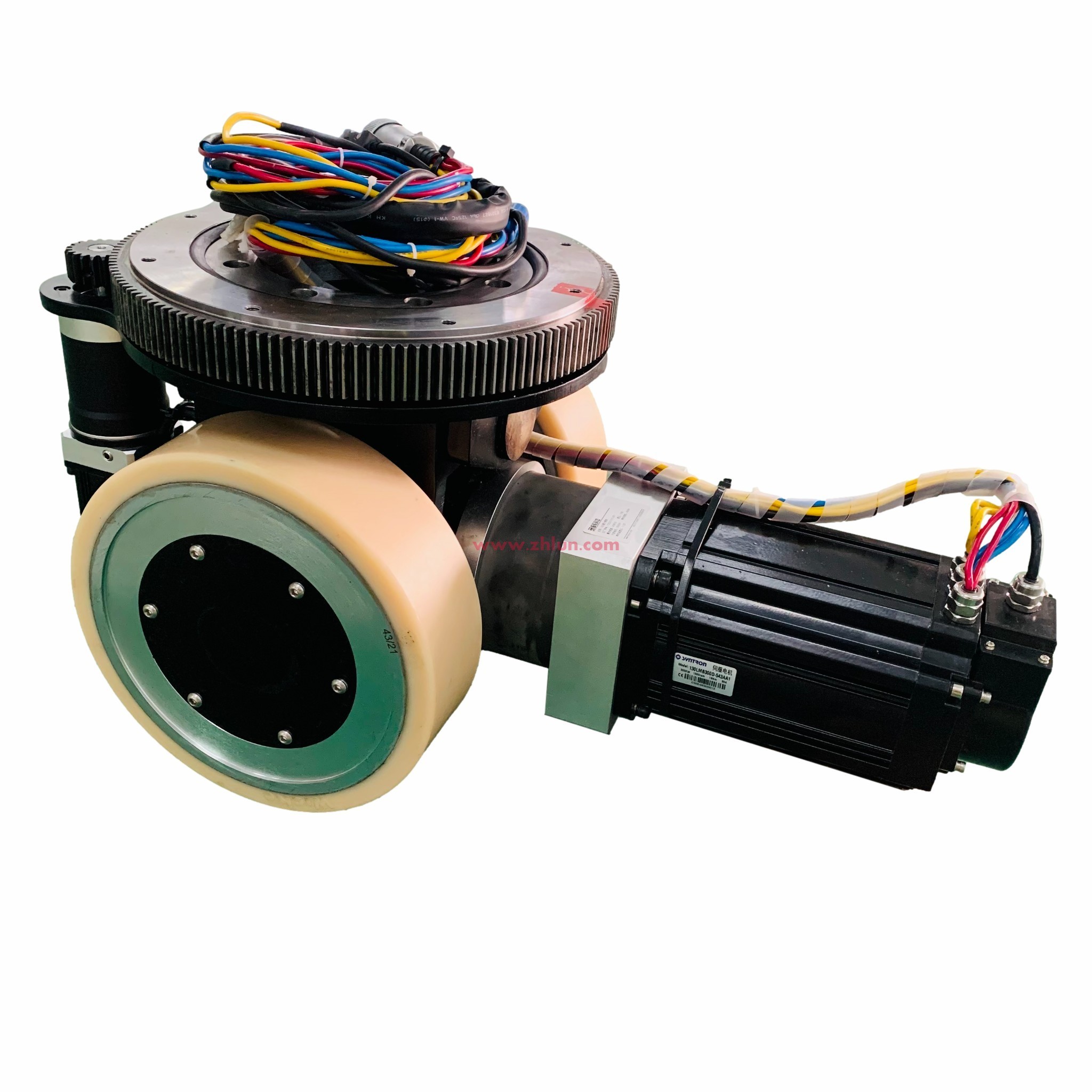
2026-09-16
Understanding Electric Differential Drive Wheels: A Comprehensive Guide
Electric differential drive wheels are an essential component in contemporary automotive engineering, especially within the transmission systems of electric and hybrid vehicles. Unlike traditional mechanical differentials, electric differential drive wheels utilize electric motors to manage torque distribution between the wheels. This innovative approach offers enhanced performance, better handlin

2026-09-15
Heavy-Duty Drive Wheels: A Key Component of Reliable Performance
Heavy-Duty Drive Wheels: A Key Component of Reliable Performance
Table of Contents
1. Introduction to Heavy-Duty Drive Wheels
2. The Importance of Heavy-Duty Drive Wheels
3. Key Features of Heavy-Duty Drive Wheels
4. Benefits of Using Heavy-Duty Drive Wheels
5. Maintenance Tips for Heavy-Duty Drive Wheels
6. Comparing Heavy-Duty Drive Wheels with Standard Wheels
7. App
2026-09-14
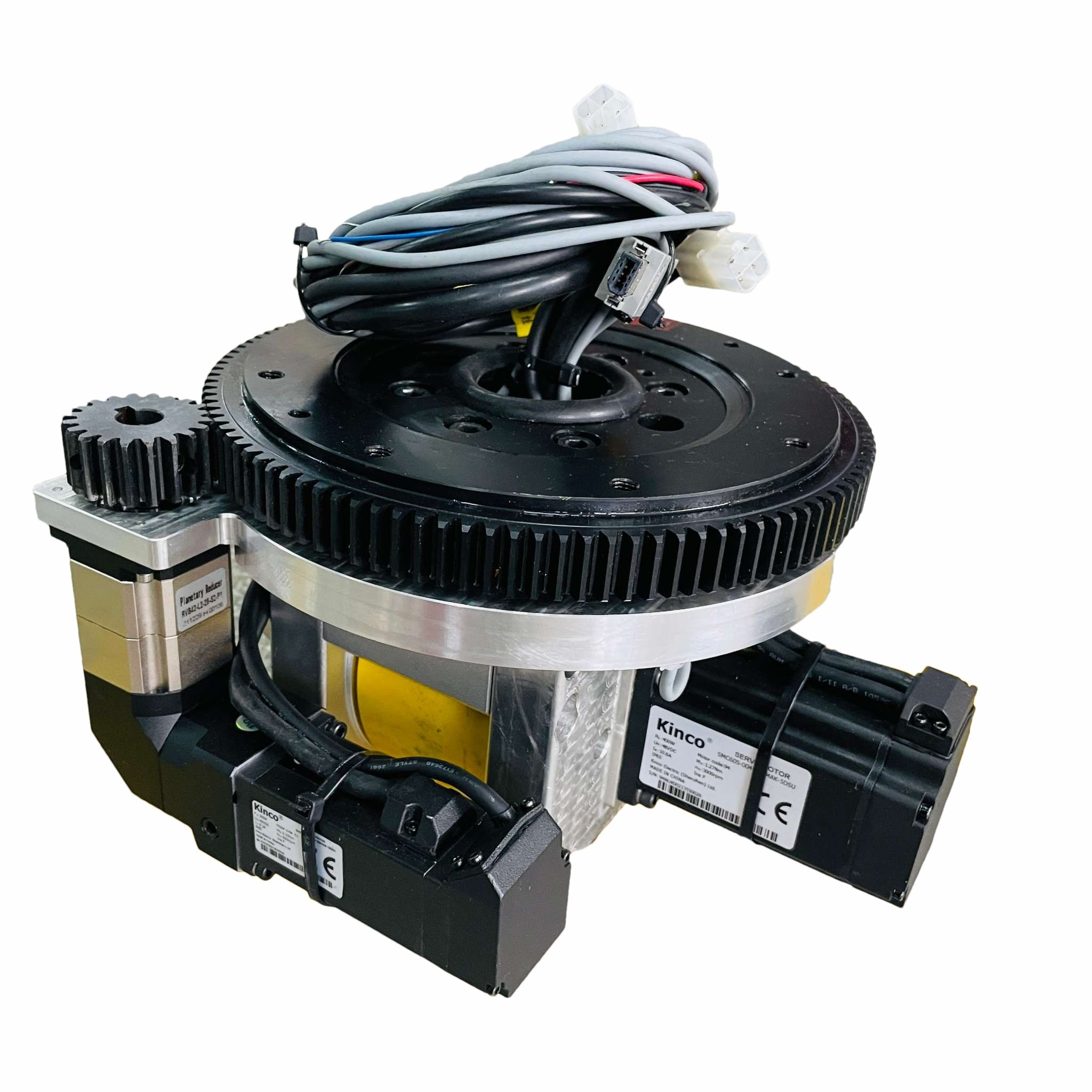
Understanding Motor Drive Wheels for Industrial AGV Robots
The motor drive wheel is a crucial component of industrial Automated Guided Vehicles (AGVs), serving as the primary interface between the robot and the ground. These wheels are designed to facilitate movement, stability, and steering, ensuring that AGVs can navigate complex environments safely and efficiently.
AGV robots are increasingly used in various sectors, including manufacturing, warehousi
Products

Guangzhou Wisdom Wheel Science Technology Ltd.
No. 1436, Guangcong 9th Road, Guangzhou, Guangdong, China
Whatsapp/MB: Kelly +86-18102686399
Jackson +8615012435018
Candy:+86 19396885135

CopyRight © 2024 Guangzhou Wisdom Wheel Science Technology Ltd.
Powered by www.300.cn SEO Tags En_CityProduct
License